
Mark Zuckerberg just watched $9 billion vanish from his net worth in a single trading day, and honestly? Goldman Sachs didn’t even try to soften the blow. The investment bank downgraded Meta from “buy” to “neutral” Tuesday morning, and the stock proceeded to eat dirt – dropping over 5% before the market even had its second coffee. For a guy who’s been riding high on AI hype and a surprise dividend announcement, this has to sting.
Goldman’s Timing Is Brutal (And Probably Smart)
Here’s the thing – Goldman isn’t wrong to pump the brakes. Meta’s stock has been on an absolute tear, up something like 60% over the past year. The rally’s been fueled by cost-cutting, that aforementioned first-ever dividend, and Zuckerberg’s pivot to calling everything Meta does “AI-powered.” Reels? AI. Ad targeting? AI. The cafeteria menu? Probably AI at this point.
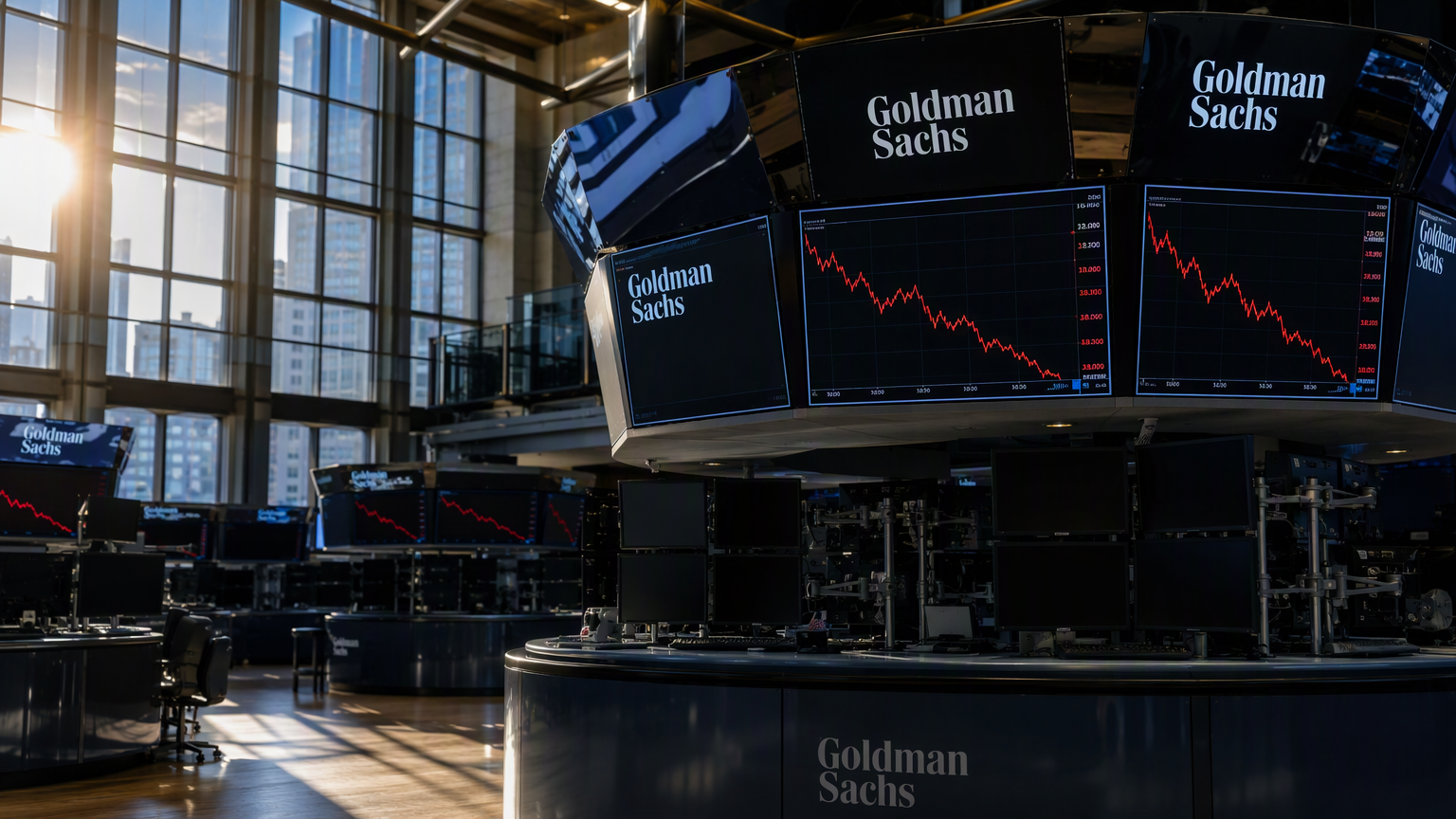
But Goldman’s analysts are basically saying what a lot of people have been thinking quietly: the easy wins are done. The note didn’t mince words – they see limited upside from current levels, especially with Meta dumping tens of billions into AI infrastructure and the metaverse (remember that?). The market had priced in perfection, and Goldman just walked in and said “actually, this company still has to, you know, execute on all these promises.”
The $9 Billion Haircut
Let’s put this in perspective. Nine billion dollars. That’s more than the GDP of some countries. Zuckerberg’s still worth well over $100 billion, so he’s not exactly checking couch cushions for rent money. But the speed matters here. This wasn’t a slow bleed – it was a trapdoor opening under the stock price within hours of Goldman’s report hitting terminals.
And it’s not just Zuck taking the hit. Meta employees with stock compensation just watched their packages shrink in real-time. Institutional investors who’d been riding the wave suddenly had to explain to clients why they didn’t take some chips off the table. The whole thing happened so fast that by lunch, financial Twitter was already full of “I told you so” posts from people who definitely did not, in fact, tell anyone so.
But Wait – Isn’t Meta Actually Doing Pretty Well?
This is where it gets interesting. Meta’s fundamentals aren’t actually bad. Revenue’s growing, user engagement across Facebook and Instagram remains stupidly high, and the ad business – which is basically a money printer – is humming along. The problem is expectations. When your stock runs up 60% in a year, you’ve basically borrowed returns from the future. At some point, reality has to catch up.
Goldman’s concern seems to center on capital expenditure. Meta’s planning to spend somewhere between $30-37 billion this year on infrastructure, mostly for AI development. That’s an ungodly amount of money, and the return on that investment is… well, it’s speculative. Sure, AI might revolutionize ad targeting and content recommendation. Or it might be an expensive arms race where everyone spends billions and margins compress for everyone. Nobody actually knows yet.
“The risk/reward at current levels doesn’t favor further upside,” Goldman’s note reportedly stated, which is Wall Street speak for “you’re paying too much for this.”
The Metaverse Elephant in the Room
Can we talk about Reality Labs for a second? Meta’s metaverse division has lost – and I need you to sit down for this – over $40 billion since 2021. Forty. Billion. Dollars. That’s not a typo. Zuckerberg keeps insisting this is a long-term play, that we’ll all be working and playing in VR eventually, that the metaverse is inevitable.
Maybe he’s right. Visionaries usually look crazy until they don’t. But Goldman’s clearly in the “show me” camp now, and honestly, so is most of Wall Street. The metaverse pitch worked when interest rates were zero and money was free. In 2025, with rates still elevated and investors demanding actual profits? That’s a tougher sell.
What’s frustrating (or fascinating, depending on your perspective) is that Meta could just… not do this. They could milk the ad business, return cash to shareholders, and print money for decades. Instead, Zuckerberg’s swinging for the fences, betting the company’s future on a vision that most people don’t share yet. It’s either going to look brilliant in ten years or become a legendary case study in executive hubris.
What This Actually Means
Look, one analyst downgrade doesn’t change Meta’s trajectory. The company’s not in trouble – not even close. But this feels like a moment where the narrative shifts from “Meta’s back, baby!” to “okay, now what?” The market’s essentially telling Zuckerberg that goodwill only extends so far. You can’t just say “AI” and “metaverse” and expect your stock to go up forever.
The real test comes in the next few earnings calls. Can Meta show that these massive investments are actually paying off? Are users spending more time in products because of AI improvements? Are advertisers seeing better returns? Is anyone – literally anyone – using Horizon Worlds regularly?
For Zuckerberg, losing $9 billion in a day is barely a speed bump financially. But symbolically? It’s a reminder that even tech titans have to answer to the market eventually. And right now, the market’s not entirely convinced the emperor’s new clothes are worth the price tag.