You know that opening line from The Godfather? “I believe in America.” It’s iconic, right? Like, etched into cinematic history. You hear it, and you’re instantly there, in Bonasera’s dimly lit office, watching him plead his case to Don Corleone. It’s a statement that sets the whole melancholic, gritty tone for one of the greatest films ever made-a promise, a betrayal, all wrapped up in five simple words. But what if I told you that line-that rock-solid, absolutely unshakeable opening declaration-actually takes on a whole new, kind of heartbreaking meaning almost three decades later?
Yeah, I know, it sounds a little wild. How can an opening line from 1972 suddenly shift its foundational meaning because of something that came out in 1990? Well, buckle up, because Francis Ford Coppola, that sneaky genius, he pulled a fast one on all of us, a true masterclass in cinematic long-game storytelling. Or maybe, just maybe, it wasn’t so much a “fast one” as it was a deeply personal, almost retrospective, re-contextualization that adds layers of tragic irony we just couldn’t have seen coming.
“I Believe in America” – A Declaration, or a Delusion?
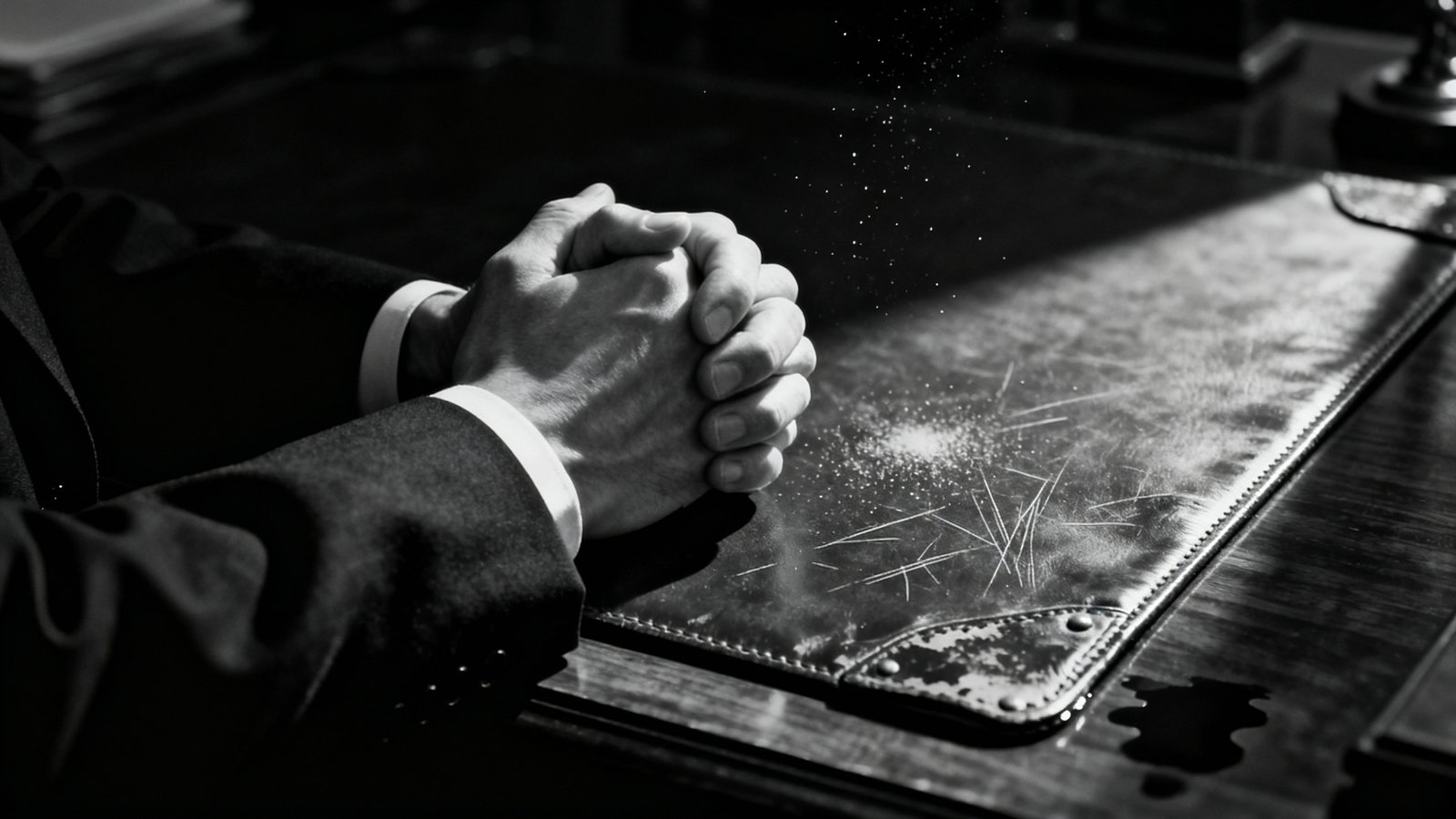
When Bonasera utters those words, framed by cinematographer Gordon Willis’s stark, almost chiaroscuro lighting, and Coppola’s slow, deliberate zoom, it’s meant to convey a profound faith-a belief in the American dream, the legal system, the whole shebang. He’s a man who’s been wronged, deeply so, by men who disfigured his daughter. He trusted the system, and the system failed him. So, he turns to the Don, a man who operates outside that system, but who, ironically, embodies a certain dark side of “American” ambition and self-reliance.
The Original Weight of Those Words
Back then, in ’72, that line felt like a setup for the entire saga-the idea that the Corleones, despite their criminal enterprise, are just another facet of the American experience. They’re immigrants who built an empire, albeit an empire stained with blood. It represented a longing for justice, a disillusionment with established power structures, and the birth of a legend who would shape his own version of fairness. It’s a powerful statement of faith, however misguided, in the promise of a nation that simultaneously offered opportunity and heartache.
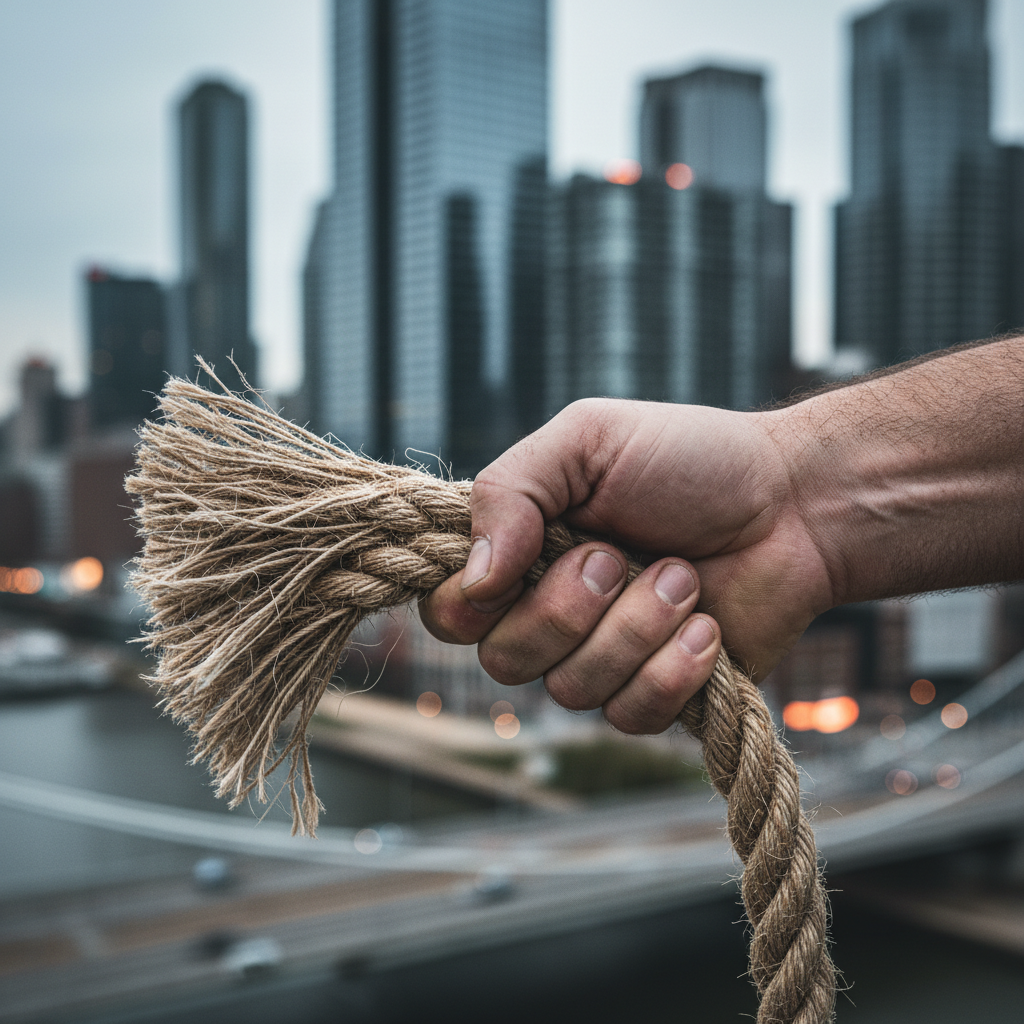
You feel it, right? That sense of a man at the end of his rope, turning to an alternative-a shadow government, if you will-because the mainstream one just didn’t cut it. It’s almost romantic in its despair. It frames Michael’s journey, from reluctant war hero to ruthless Don, as a logical (though tragic) progression within this flawed American ideal. It’s the foundation for understanding their whole world.
“I believe in America.” It was supposed to be a testament to a grand ideal, even if twisted.
The Unforeseen Echo: Part III Strikes Back
Now, here’s where it gets interesting, and frankly, a bit gut-wrenching. Fast forward to The Godfather Part III. No, wait, hear me out. I know, I know-it’s not exactly held in the same hallowed regard as the first two. But Coppola, for all the criticisms that film gets (some of them, let’s be honest, fair), he actually pulls off something quite profound with that opening line, retrospectively.
Michael’s Journey Redux
In Part III, Michael Corleone, now an older, tired, and deeply regretful man, is obsessed with legitimizing his family. He wants out of the crime business, he wants respectability, he wants salvation. He’s pouring millions into the Church, trying to buy his way into a clean life, a life where perhaps his children and grandchildren won’t have to live under the shadow of his sins. He’s constantly trying to “go legitimate,” to make the Corleone name mean something besides fear and murder. And what is this desperate, almost frantic pursuit of legitimacy, of acceptance by the mainstream? It’s Michael’s own, twisted, very late-stage belief in America.
- Point: Bonasera seeks justice outside the system because the system failed him.
- Insight: He believed America could work, just not for him at that moment. He saw the alternative as a path within America’s shadow economy.
- Point: Michael in Part III desperately tries to get into the system.
- Insight: He’s trying to make his family part of the “America” that Bonasera originally believed in, the one with laws and institutions, before he dies. This is his final, tragic attempt to believe in that promise.
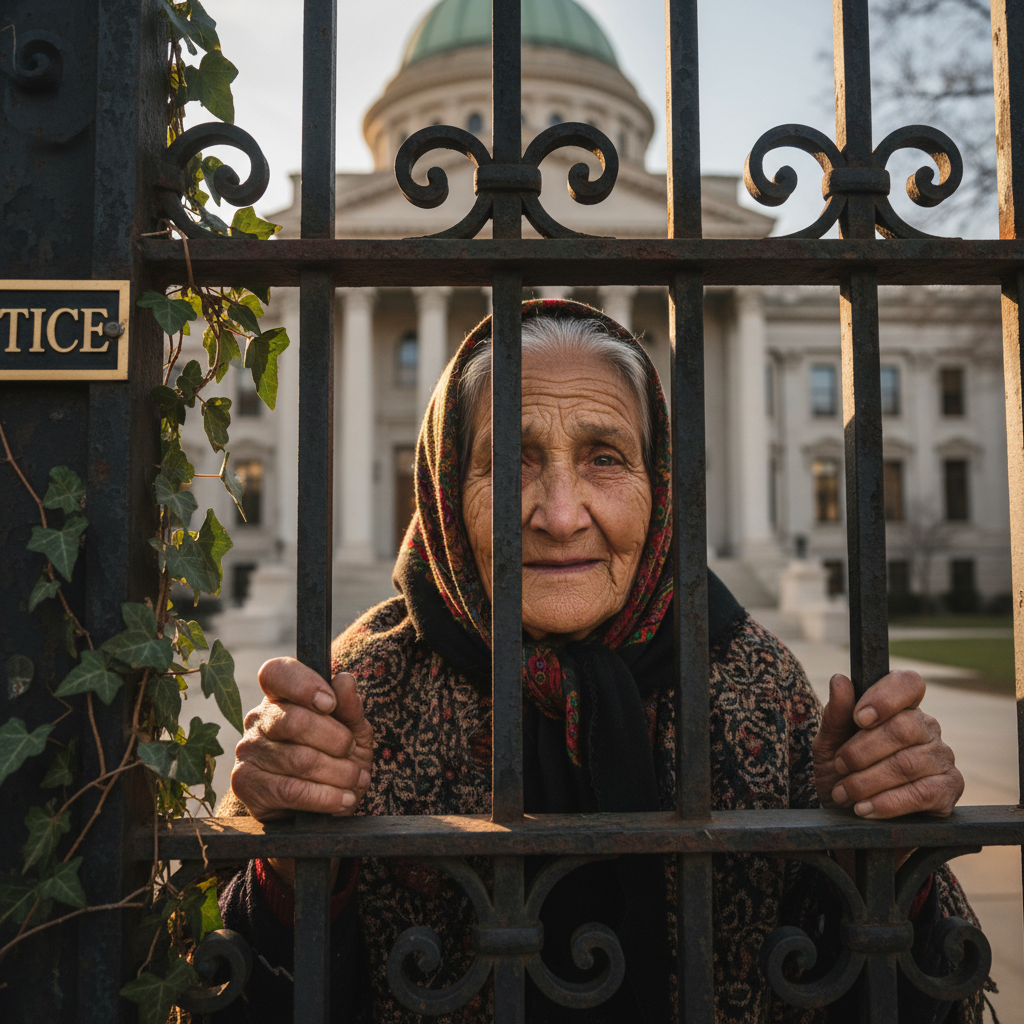
This re-frames Bonasera’s opening plea completely. It’s no longer just a simple expression of faith in a broken system; it becomes a foreshadowing of Michael’s own ultimate, doomed quest. Bonasera initially believed in the promise of America but had to go outside it for justice. Michael, after a lifetime of operating outside it, tries desperately to re-enter that very promise. And the tragedy, the utter heartbreak of it all, is that America-or at least the established order he strives to join-ultimately rejects him. He pays for his past, not with a quick death, but with an agonizing, lonely decline, watching his dream of legitimacy crumble. The cycle just can’t be broken, you know?
So, those five words- “I believe in America”-they start as a statement of initial faith, despite injustice. Thirty years later, looking back, they become Michael’s own dying hope, his desperate, failed attempt to reconcile his bloody past with a dream of a legitimate future. It’s not just a declaration; it’s a profound, almost cosmic irony. Bonasera’s initial faith is betrayed by the system, leading him to the Don. Michael’s belated faith in the system is betrayed by his own past, ultimately leading him to a solitary, tragic end. It’s a full circle of disillusionment, beautifully and painfully executed. Talk about a master stroke, even if it took us all a little longer to see it.