
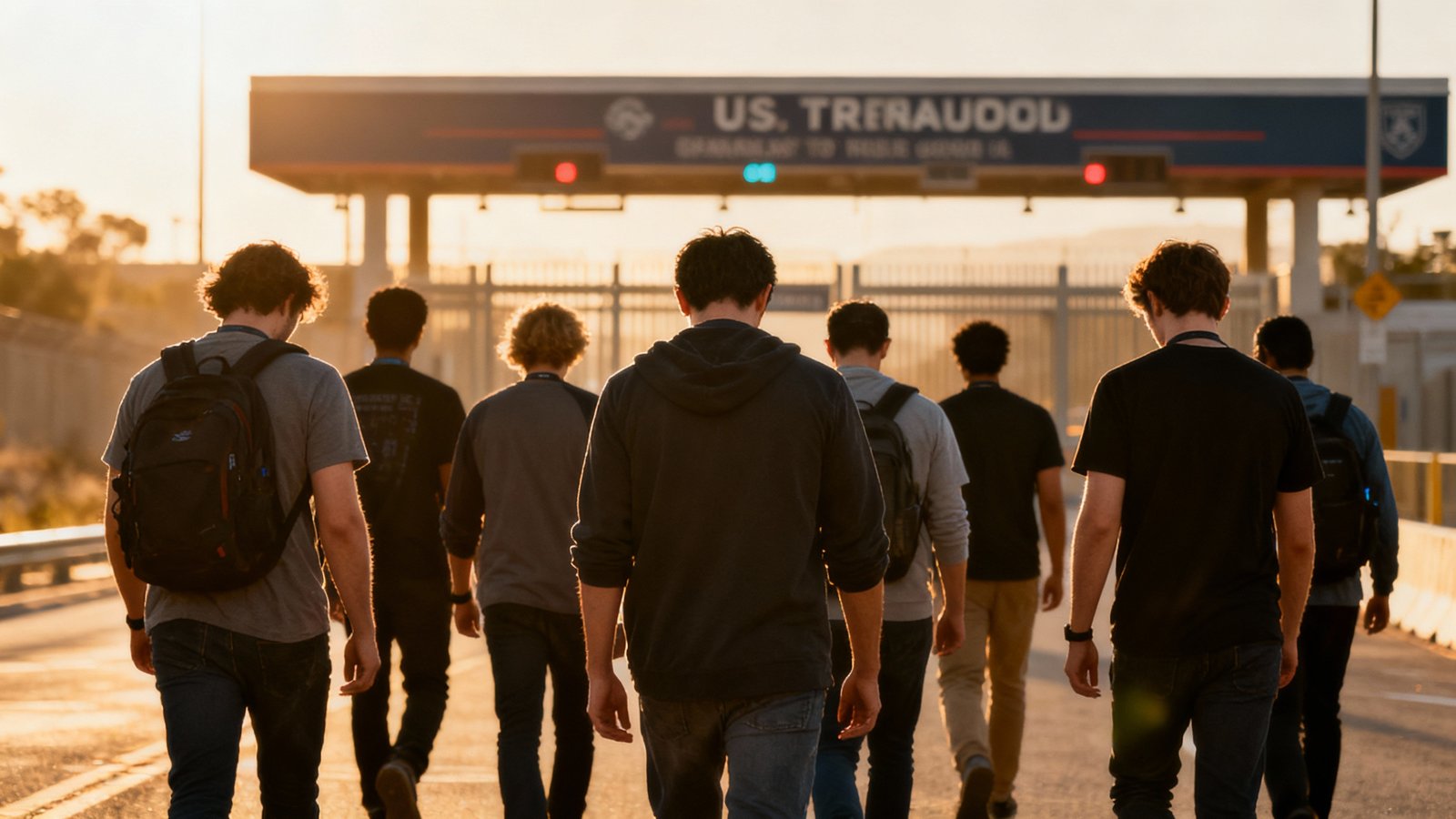
GDC 2026. You’d think by then we’d be talking about, I don’t know, brain-computer interfaces for gaming, or maybe how AI finally made a genuinely good storyline without eating its own tail. But nope. Instead, we’re talking about ICE. Like, the government agency. And whether people feel safe enough to even show up to a video game conference in America. Seriously. This is where we are.
America: Land of the Free, Home of the ICE Raid?
Look, the Game Developers Conference is supposed to be this huge melting pot, right? Devs from all over the globe – Japan, Sweden, Brazil, you name it – they descend on San Francisco, sharing ideas, networking, trying to figure out if their weird indie project is actually going to be the next Stardew Valley or just, well, another weird indie project. It’s collaboration. It’s community. It’s what makes the industry tick.
But here’s the thing. More and more, people are looking at the United States and going, “Nah, I’m good.” Especially for GDC 2026. The whispers are turning into shouts: developers are considering skipping the whole shebang because they’re genuinely worried about U.S. immigration policies, specifically the long, frankly terrifying shadow of ICE, and also, let’s be honest, the general vibe of safety in America these days.
I mean, think about it. You’re a brilliant programmer from, say, Germany. Or a killer artist from Argentina. You’ve got your visa, you’ve done everything by the book. But you hear stories. You read the news. You see the headlines. And then you hear about people, perfectly legal, perfectly innocent, getting caught up in sweeps, getting detained, having their lives turned upside down just for being in the wrong place at the wrong time, or maybe just looking a certain way. It’s enough to make anyone second-guess a trip across an ocean. It really is.
The Chilling Effect is Real
This isn’t just paranoia. This is a very real, very chilling effect. Developers, especially those from non-Western countries or with complex visa situations, are weighing the risk versus the reward. Is showing off your new game build worth the anxiety of potentially running into a zealous immigration officer? Is it worth the fear of being questioned, or worse, detained, when you’ve done absolutely nothing wrong? For many, the answer is increasingly becoming “no.” And that’s a huge problem, not just for GDC, but for the entire US tech sector, frankly.
Who Benefits From This? Seriously, Who?
And then there’s the other shoe that drops when we talk about “US safety fears.” Let’s not mince words here. It’s about gun violence. It’s about mass shootings. It’s about a feeling that, in certain places, you’re just not as safe as you might be back home. When people are deciding whether to come to a conference, they’re not just thinking about their passport and their visa. They’re thinking about whether they’ll make it home in one piece. They’re thinking about active shooter drills in schools and the nightly news. It’s a gut feeling, and you can’t argue someone out of feeling unsafe.
“It’s not just the visa hassle anymore. It’s this nagging fear in the back of your mind. Is it worth the risk? Honestly, when there are other conferences in other countries, it makes you think twice. Or three times.”
So you’ve got a double whammy here: legitimate fear of an overzealous immigration system and a very real concern about personal safety in a country that, let’s be blunt, struggles with it. And what does that mean for GDC? It means fewer voices. Fewer perspectives. Less innovation. Less of that vital cross-cultural exchange that makes the game industry so damn exciting.
The Slow Bleed of Talent and Ideas
This isn’t some sudden, catastrophic collapse. It’s more like a slow bleed. A lot of these developers, if they skip GDC, they’re not just sitting at home pouting. They’re going to other conferences. They’re going to Gamescom in Germany, to Tokyo Game Show, to smaller, regional events where they feel welcome, where they feel safe, and where they don’t have to worry about a government agency breathing down their necks just for existing. And who can blame them?
The US is, or at least was, seen as a hub for innovation, a place where ideas could flourish. But when you create an environment where international talent feels unwelcome, or worse, targeted, you start to lose that edge. You start to push away the very people who could be creating the next big thing, the next revolutionary tech, the next beloved game. And that, my friends, is a self-inflicted wound of epic proportions.
It’s not just about game developers, either. This is a pattern we’re seeing across various tech and creative industries. When you build walls – literal and metaphorical – you cut yourself off. You isolate. And in a globalized world, that’s a recipe for irrelevance. Or at least, significantly diminished influence. The US should be rolling out the red carpet for these folks, not making them fear for their freedom or their lives.
What This Actually Means
Here’s the deal: if GDC 2026 sees a significant drop in international attendance because of these concerns, it’s a massive wake-up call. Or it should be, anyway. It means the US is actively pushing away the very talent it needs to stay competitive. It means we’re sacrificing collaboration and innovation on the altar of, what? Fear? Misguided policy? I don’t know. It’s baffling, actually.
So, yeah, GDC 2026. It’s not just about what games get announced. It’s about who shows up. And right now, it looks like a lot of brilliant minds are choosing to stay home, or go elsewhere. And honestly, who can blame them? Until America figures out how to be a truly welcoming, genuinely safe place for everyone, regardless of where they’re from, we’re gonna keep losing out. Big time. And that’s just a damn shame.