Remember that gut-wrenching feeling at the end of Furious 7? That final, poignant scene where Brian O’Conner-Paul Walker-drives off into the sunset, literally, separating from Dom Toretto on that bifurcating road? It was perfect, right? A movie magic farewell, a touching tribute that allowed a beloved character to live on, off-screen, in our imaginations. Well, what if I told you that wasn’t the plan at all? What if Brian’s story was originally going to end in a completely different, and some might argue, much darker place?
Yeah, I know, it’s hard to even imagine. We’ve all basically canonized that ending in our minds, a beautiful send-off for an actor gone too soon. But newly-revealed details about how Furious 7 was originally supposed to wrap up before Paul Walker’s tragic death in November 2013-just as filming was partly underway-are pretty eye-opening. It wasn’t just a slight tweak. It was a whole different ballgame for Brian’s future in the Fast family.
Turns out, the studio and the filmmakers were prepping for a very different future, one where Brian O’Conner probably wouldn’t have been driving off peacefully into suburban bliss. This isn’t just fan speculation, by the way. This is coming straight from folks involved in the production, kind of pulling back the curtain on how a blockbuster gets made-and unmade-in the face of unthinkable tragedy.
The Original Plan: Setting up Brian for the Long Haul (and More Heists)
Before everything changed, the original scripts for Furious 7 had a very clear direction for Brian. And it wasn’t retirement. Not even close. You see, Universal Pictures-the big shots writing the checks-were incredibly keen on keeping the Fast & Furious franchise going, pulling in massive global box office numbers, right? Paul Walker, as Brian, was a central pillar in that whole operation.
So, the early outlines for the film, according to insiders like executive producer Amanda Lewis, basically framed Furious 7 as the beginning of a whole new trilogy. Think about that for a second. Instead of an emotional goodbye, this movie was supposed to be a launching pad. Brian wasn’t done with the fast life; he was just getting started on his next chapter, presumably with more insane car chases and increasingly improbable stunts.
Brian’s Unwritten Future: More Danger, Less Diapers
The details are a bit murky-as they usually are with early script drafts-but the consensus seems to be that Brian would have remained very much in the thick of things. He and Mia (Jordana Brewster) were definitely still settled, trying to raise their son, Jack. But the call of the wild, the pull of Dom’s family, that inherent need for speed and justice-it was always going to bring Brian back. They wouldn’t have just wrapped up the Libya mission and called it a day.
- Point: The original ending for Furious 7 was crafted to transition Brian O’Conner into future installments, emphasizing his continued role in the Fast Saga’s overarching narrative.
- Insight: This suggests Brian would have been involved in the still-forming mythology for The Fate of the Furious, F9, and presumably, the upcoming final films. His character arc wasn’t meant to culminate in retirement; it was evolving.
One of the recurring themes we’ve seen throughout the franchise, even leading up to Furious 7, is Brian’s struggle to balance his love for his family and the adrenaline rush of his former life. The original ending would have, presumably, leaned even harder into that tension, setting up future conflicts. Imagine him constantly pulled between Mia asking him to stay home and Dom needing him for one last, impossible job. That was Brian’s cross to bear, essentially.
The Unthinkable Happens: A Rewrite of Epic Proportions
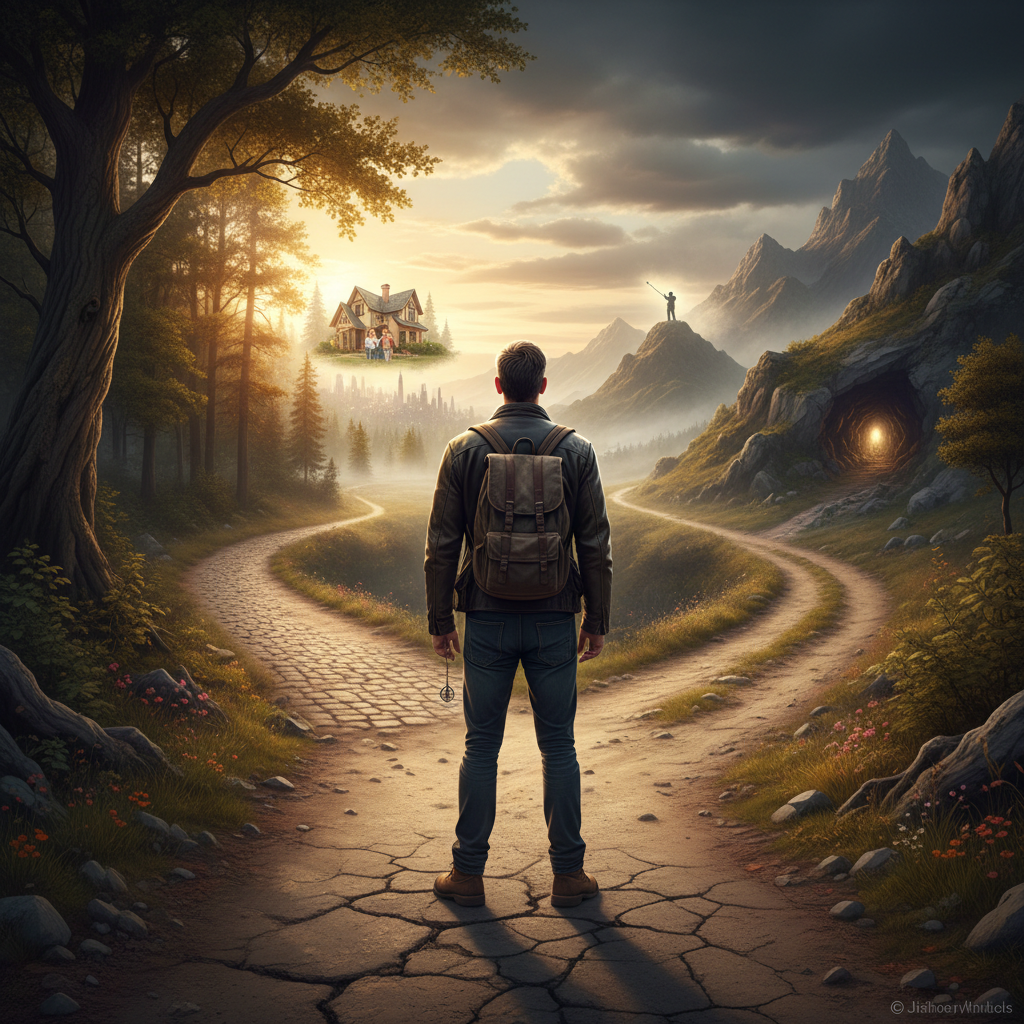
Paul’s death, as we all know, stopped everything cold. Filming was halted, scripts were thrown out, and the entire cast and crew were just reeling. It wasn’t about movie schedules or box office at that point; it was about grieving and figuring out how to honor their friend. Universal, to their credit, gave them that space. And then came the monumental task of rewriting a movie, mid-production, to account for such an irreplaceable loss.
Crafting the Farewell: How Wētā FX and Cody & Caleb Walker Stepped In
This is where the true unsung heroes of Furious 7 come in. screenwriter Chris Morgan, director James Wan, and basically the entire production team had to reinvent the wheel. How do you finish a movie when your lead actor is gone? The decision was made to retire Brian O’Conner, not kill him. This was a crucial choice-a respectful, kind choice-that basically salvaged the entire film and allowed fans to say goodbye on their own terms.
“The decision to retire Brian O’Conner was paramount for us,” producer Neal Moritz said later. “It was about honoring Paul, honoring his family, and giving the audience a proper send-off.”
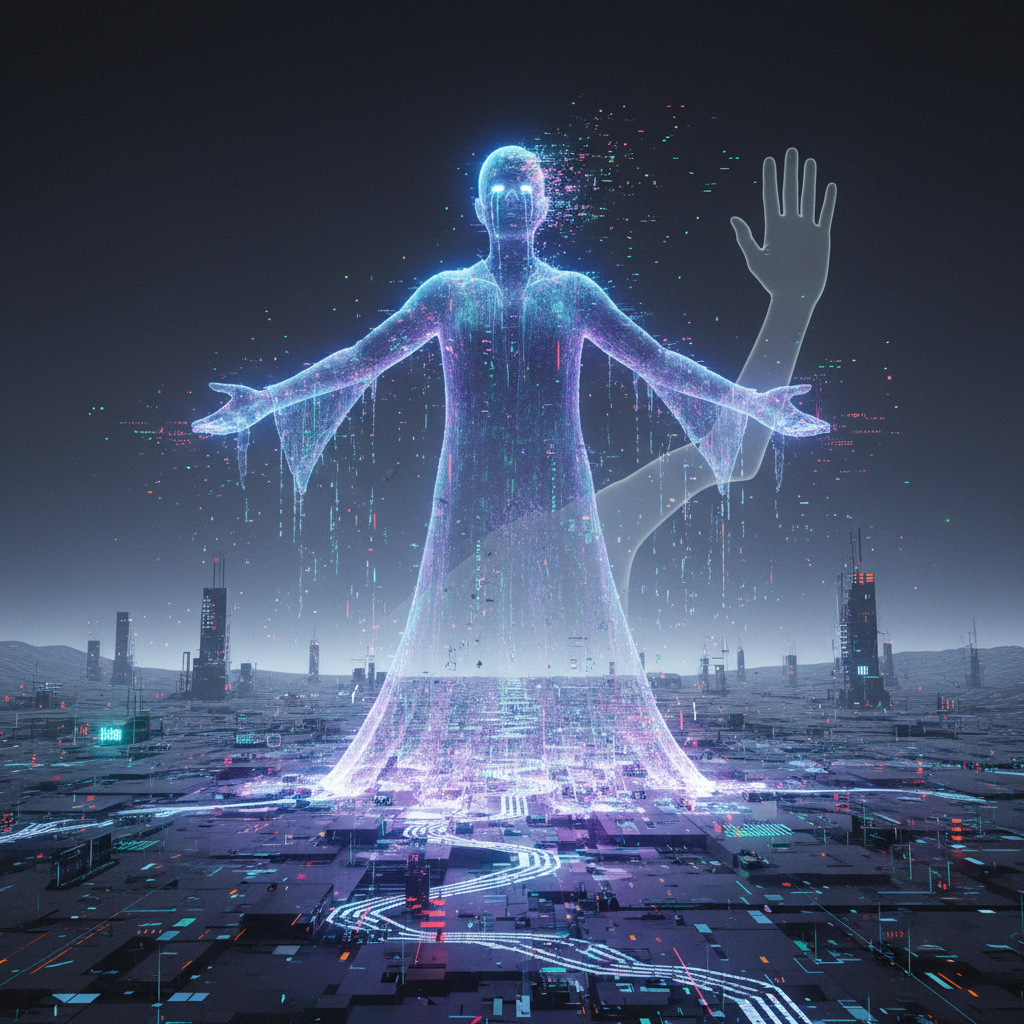
This involved using existing footage of Paul, digitally inserting him into scenes, and using his brothers, Cody and Caleb Walker, as body doubles. The visual effects work, mostly done by the legendary Wētā FX (you know, the folks behind Lord of the Rings), was groundbreaking. They basically stitched together a performance, a ghost in the machine, to give Brian his due. It was a technical marvel and an emotional triumph, really, a testament to everyone’s desire to “get it right.”
The Ending We Got: A Bittersweet Masterpiece by Necessity
So, the ending we all know and maybe cry a little about every time we watch it-Dom and Brian driving side-by-side, sharing one last knowing glance before their paths diverge-that was a total pivot. It wasn’t organic to the original story. It was born out of tragedy, out of immense pressure, and out of a deep love for Paul from everyone involved. It’s truly one of those rare instances where a forced change led to something arguably more powerful than the original design.
Now, you might think, “Would the original ending have been better?” It’s hard to say. It would have certainly delivered more high-octane Brian O’Conner action, more street racing, more of what fans traditionally loved about the character. But it wouldn’t have had that raw, emotional resonance, that sense of a real-life goodbye permeating every frame. The ending we received wasn’t just a plot device; it was a commemoration, a public ceremony of grief and remembrance played out on the big screen.
It allowed us, the audience, to process our own feelings about Paul’s passing alongside the characters who loved him. And that, I think, transcends any planned trilogy or future storyline. The ending of Furious 7 became something far more meaningful than just another blockbuster movie conclusion. It became a moment. A real moment. And knowing what we know now about the original plans, it just underscores how incredibly special that finished product truly became. It’s a prime example of art imitating life, then figuring out how to heal from it, all on screen. What a ride.