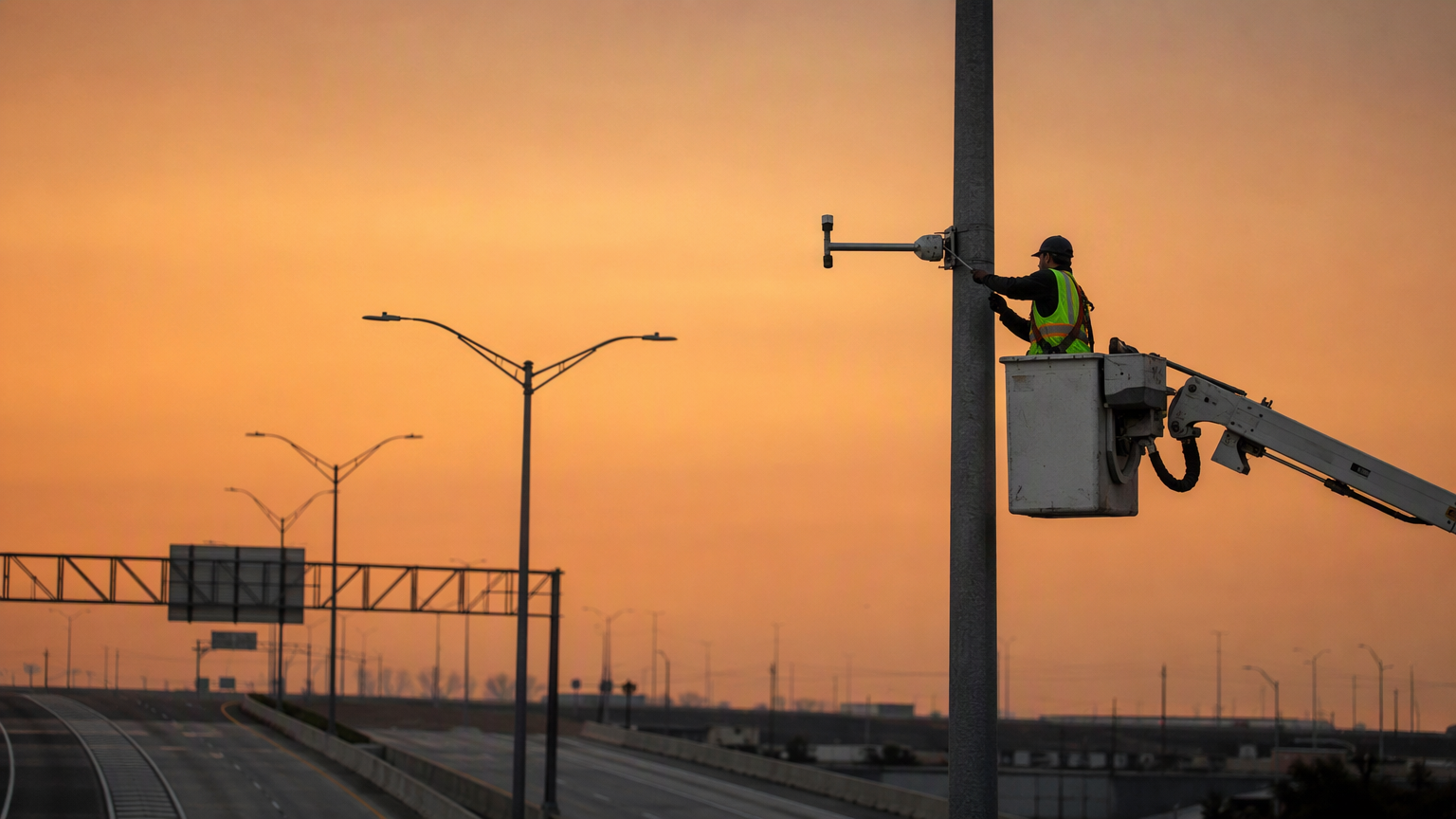
Florida just told Flock Safety to pack up its cameras and get off state highways. And honestly? It’s about time someone did something. Reports out this week show the state ordered the removal of these license-plate-reading cameras from highway rights-of-way, and it’s kicking off a fight that’s been brewing for a while now over who gets to watch you drive and why.
Wait, What Even Are These Things?
Okay, quick backstory for anyone who’s been blissfully unaware. Flock Safety makes these automated license plate reader cameras – ALPRs if you want to sound official at a dinner party – and they’ve quietly popped up on highways, in neighborhoods, outside grocery stores, basically everywhere over the last few years. Police departments love them. Homeowners associations love them. And a growing number of privacy advocates absolutely do not.
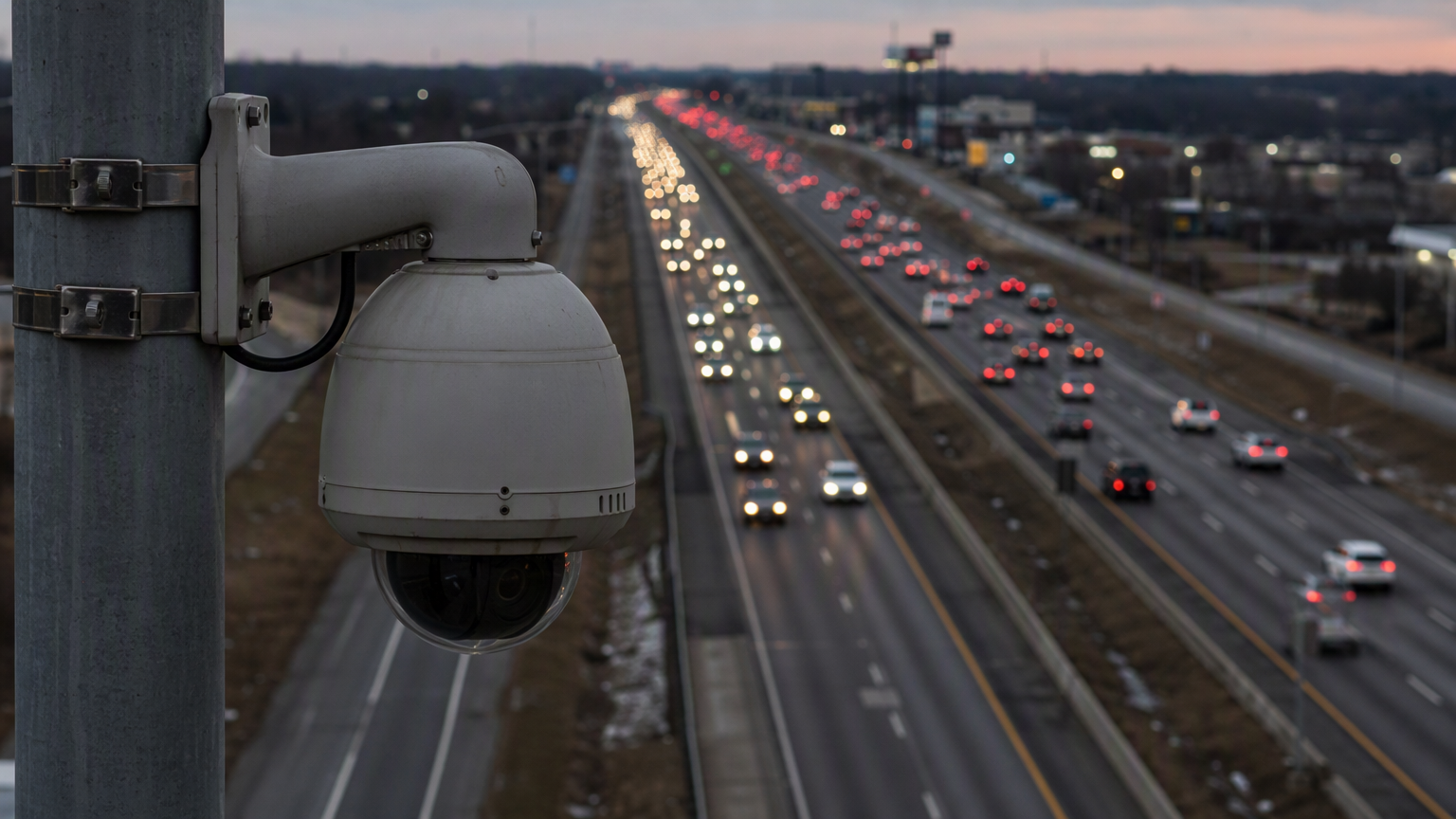
The pitch is simple: these cameras scan plates, log the time and location, and build a database that cops can search when they’re looking for a suspect’s car, a stolen vehicle, whatever. Sounds useful in theory. But here’s the thing – once you’re logging every car that passes a given point, you’ve basically built a tracking system for everyone, not just the bad guys. That’s the part that keeps tripping people up.
So Why Is Florida Pulling Them Now?
From what I can tell, this comes down to jurisdiction and contracts as much as it does philosophy. State highways aren’t the same as a city street or a private parking lot, and apparently whoever greenlit these installations didn’t have the authority to stick surveillance equipment along state-controlled roads. That’s a pretty basic bureaucratic problem, not even some grand civil liberties crusade on its own. But it’s opened the door to a much bigger conversation, and that conversation is the one actually worth having.
Is This About Privacy or Just Paperwork?
Both, probably. I’ve seen this pattern before with new tech getting rolled out faster than the rules can keep up – somebody installs the shiny new thing, nobody double-checks the legal footing, and then months later there’s a scramble when someone finally asks “wait, who approved this?” That seems to be roughly what’s happening here.
“We’re not against public safety tools. We’re against building a surveillance net without anyone actually voting on it.”
That quote sums up the mood pretty well, even if it’s more of a paraphrase of the general sentiment floating around than an exact soundbite. People aren’t necessarily anti-camera. They’re anti “nobody asked me and now there’s a permanent record of everywhere my car has been for the last six months.” Big difference.
The Bigger Fight Nobody’s Really Talking About
Look, this drives me nuts a little – the actual debate people should be having (how much surveillance infrastructure should exist on public roads, who controls the data, how long it’s stored, who can access it) keeps getting buried under procedural stuff like “did the county have the right permit.” Florida’s move might get framed as a privacy win, and sure, I’ll take it. But it’s kind of a technicality dressed up as a principle.
Flock’s business model depends on this stuff being everywhere and mostly invisible until someone notices. And when they do notice, the reaction is usually the same: mild horror, followed by a bunch of officials shrugging and saying it was already approved somewhere down the chain. Not exactly reassuring.
Meanwhile other states are going the opposite direction, expanding these networks, tying them into other databases, sharing footage across jurisdictions. So Florida yanking cameras off a handful of highways isn’t some nationwide trend reversal. It’s one state, one specific legal issue, and a whole lot of unresolved questions everywhere else.
What This Actually Means
Here’s my honest take: this is a small, procedural win that’s going to get talked about like it’s a bigger deal than it is. The cameras aren’t gone, they’re just gone from state highways in Florida – local roads, private lots, HOA entrances are still fair game, and Flock’s not going anywhere. If anything, this whole episode just shows how patchwork the rules around this technology really are. One road is off-limits, the road right next to it might not be.
I don’t think this slows Flock down much. But it does put a little pressure on other states to actually check the fine print before more of these cameras go up. Whether anyone does that before the next controversy hits… I wouldn’t bet on it.