
Flock Safety just did something I genuinely didn’t expect: it told police departments they can’t just poke around its massive camera network on a whim anymore. If you’ve been paying attention to the surveillance tech world at all over the past few years, you know that’s a pretty big deal. And honestly? It’s about time.
Wait, What Was Happening Before?
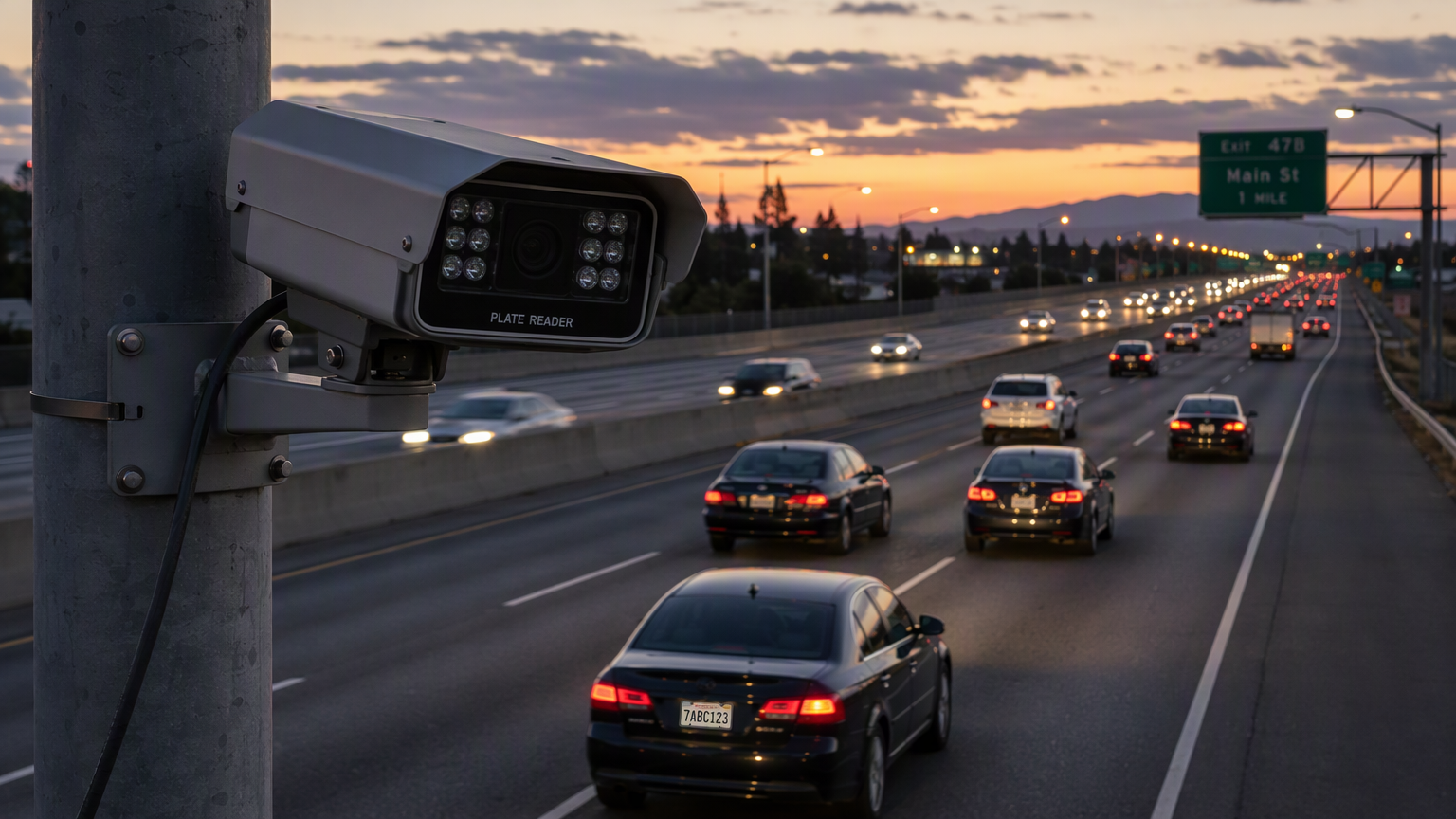
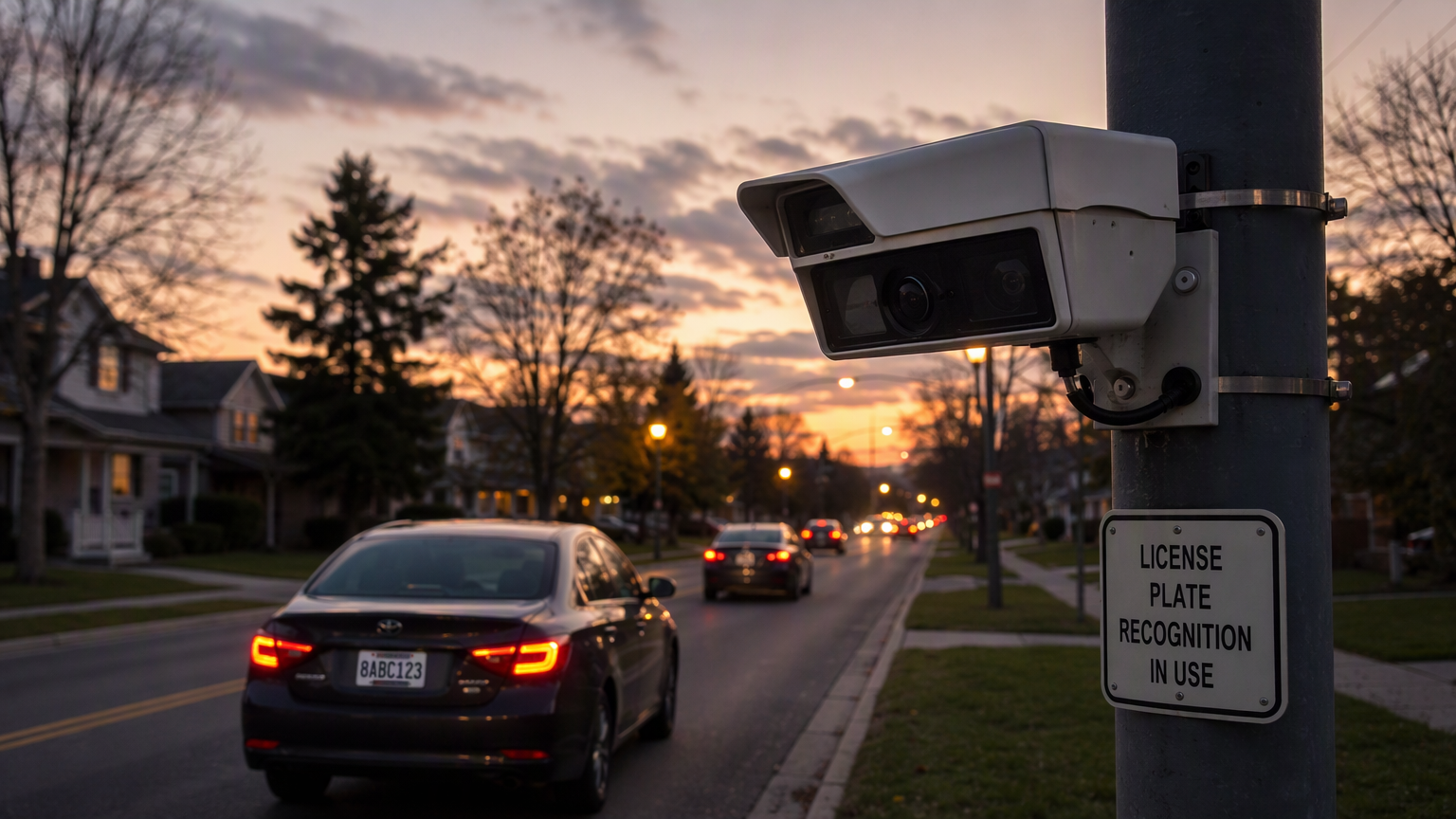
So here’s the backstory, in case you missed it. Flock’s automated license plate readers are basically everywhere now – stuck on street corners, in gated neighborhoods, along highways – quietly logging every car that passes by. Cops (and in a lot of cases, random other agencies too) could search that database without much friction. No case number required. No real justification needed beyond “trust me.” Just log in and start typing plates or looking for cars matching some description.
That’s… not great, if I’m being honest. Because once you build a system where the barrier to searching is basically zero, people search it for everything. Not just violent crime investigations, but immigration enforcement, tracking exes, curiosity, you name it. There were reports – and this is the part that really got people fired up – of officers running plates for personal reasons that had nothing to do with any actual investigation. That’s the kind of thing that turns a “public safety tool” into a surveillance machine real fast.
The Reddit Thread That Blew This Up
This whole thing picked up steam after a post on r/technology started circulating, basically laying out that Flock is now requiring officers to have an actual, documented reason – like a real case number tied to a real investigation – before they can run a search. Not “I have a hunch.” Not “just checking.” An actual case. The comments section, predictably, was a mess of relief and skepticism in equal measure, which honestly tracks with how I feel about it too.
Okay, But Does This Actually Fix Anything?
Here’s where I have to slow down a bit, because I don’t want to oversell this. Requiring a case number is good. It’s a real, meaningful guardrail that didn’t exist before. But let’s not pretend it magically solves the deeper problem, which is that this network exists at all and captures an enormous amount of location data on totally innocent people just… going about their day.
Think about it this way – a lock on your diary is great, but it doesn’t matter much if your roommate has a copy of the key and nobody’s checking whether they’re using it. Case numbers can be fabricated. Investigations can be padded. Audits only work if someone’s actually looking at them, consistently, and holding people accountable when they cheat the system. So yeah, this is progress. It’s just not the finish line.
“This is a step in the right direction, but a policy is only as good as its enforcement” – and that’s basically the sentiment echoing through pretty much every civil liberties group that’s weighed in on ALPR networks over the past few years.
Why This Matters More Than People Realize
Look, I’ve covered surveillance tech for a while now, and there’s a pattern that shows up again and again: a company builds a tool, sells it as narrowly useful (find stolen cars! catch Amber Alert suspects!), and then the actual usage creeps way beyond that original pitch. Flock’s network has genuinely helped solve real crimes, I’m not going to pretend otherwise. But “it works sometimes for good reasons” has never been a great argument for “therefore no oversight is needed.”
What’s interesting here is that Flock making this change at all suggests the pressure from journalists, researchers, and yes, angry Reddit threads, is actually landing somewhere. Companies don’t usually restrict their own product’s usability unless they’re worried about liability, bad press, or losing contracts because cities are starting to ask uncomfortable questions. Probably all three, honestly.
And that’s kind of the silver lining in an otherwise bleak surveillance landscape (sorry, couldn’t resist using that word once). Public pressure works. Slowly, imperfectly, but it works. Cities like Evanston and Oakland have already pulled back or heavily restricted their ALPR contracts after public pushback. This latest move from Flock feels like the company trying to get ahead of that wave instead of getting steamrolled by it later.
The Part Nobody’s Talking About Enough
Here’s the thing that keeps nagging at me though – who audits the audit? If Flock is the one setting the rules AND the one checking whether departments follow them, that’s a pretty cozy arrangement. Real accountability usually means an independent third party, or at minimum, public reporting that journalists and researchers can actually dig through. From what I can tell, we’re not there yet. Flock has said it’ll do more transparency reporting, but “we’ll do better” is a sentence I’ve heard from basically every tech company ever, right before nothing changes.
I’d also love to know what happens when a department gets caught abusing the system now. Do they lose access? Get a strongly worded email? Nobody’s really spelled that part out clearly, and that’s usually where these policies fall apart in practice.
What This Actually Means
So where does this leave us? Flock requiring case numbers for searches is a genuine, tangible improvement – not a PR stunt dressed up as one, at least not entirely. It closes off the laziest, most obviously abusive uses of the system. That matters, and I don’t want to be so cynical that I dismiss real progress just because it’s incomplete.
But I’d hold off on calling this a victory lap. The bigger question – should a private company be running a nationwide vehicle surveillance network with this little independent oversight in the first place – is still sitting there, mostly unanswered. This policy change treats the symptom. It doesn’t touch the underlying setup.
My honest prediction? We’ll see a few high-profile misuse stories over the next year that slip through even this new requirement, because case numbers can be gamed and audits are only as good as the people running them. And when that happens, the conversation is going to shift right back to the question everyone keeps dancing around: maybe the problem isn’t how easy it is to search the database. Maybe it’s that the database is this big in the first place.