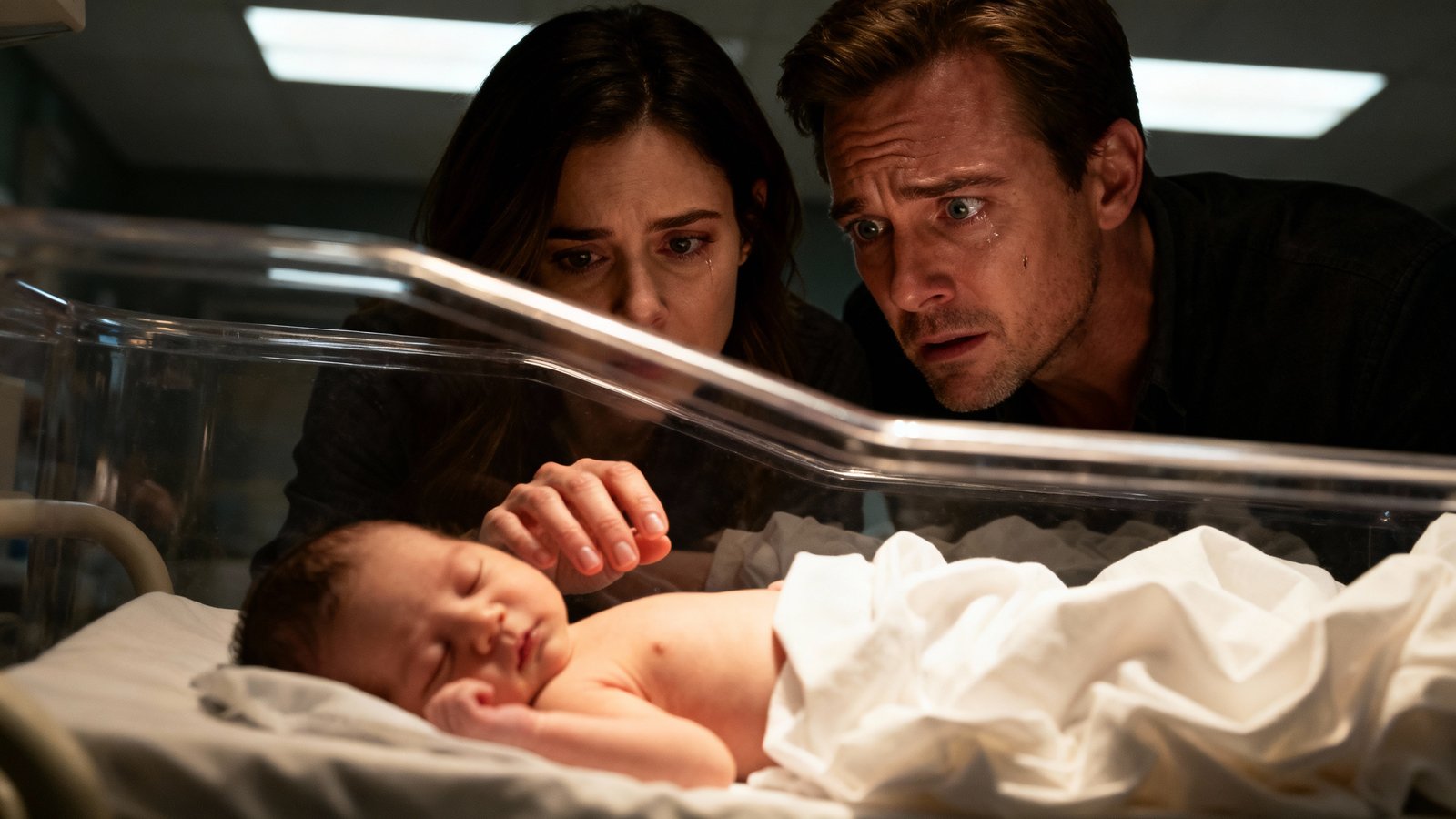
That’s basically what happened to this Florida couple. They went through IVF, did all the things, probably signed a million forms, and ended up with a baby. A beautiful baby, I’m sure. But here’s the kicker: the baby wasn’t biologically theirs. And, from what I’m reading, the parents were clued in because the child was “non-Caucasian.” I mean, wow. Just… wow.
Seriously, How Does This Even Happen?
It’s one thing to mix up a coffee order. It’s another, entirely different, universe of screw-up to mix up human embryos. We’re talking about the very fabric of life here. The genetic blueprint of a person. And some fertility clinic, somewhere in Florida, apparently just… swapped them. Like they were picking out socks.
You’ve got to wonder, what kind of protocols are in place? Or, more accurately, what kind of protocols aren’t in place? Because this isn’t a “whoopsie, wrong file” kind of error. This is a life-altering, identity-shattering mistake. And it’s not just this one family, is it? Because if this couple got the wrong embryo, then some other couple probably got their embryo. And that’s just… mind-boggling. It sends shivers down my spine, honestly. I can’t even begin to imagine the emotional rollercoaster these parents are on. The joy of birth, immediately followed by this crushing realization. It’s enough to make you just want to scream.
The “Non-Caucasian Child” Detail
Now, let’s address the elephant in the room. The reporting specifically mentions the “non-Caucasian child” detail. And yeah, that’s the brutal, undeniable physical evidence that something went horribly, terribly wrong. It’s not about race in a prejudiced way here; it’s about a physical marker that screams, “This isn’t genetically ours!” It’s how they found out. And it just adds another layer of complexity and, frankly, pain to an already impossible situation. Because now, you’re not just dealing with the fact that it’s not your baby, but also that the baby has a whole other genetic heritage that isn’t yours to pass down. It’s a gut punch, for sure.
Whose Baby Is It, Anyway?
This is where my head starts to spin. Legally, ethically, emotionally- whose baby is this? The woman carried the child, gave birth, endured all the physical and emotional toll of pregnancy and labor. She’s the gestational mother. But genetically, it’s not her child, nor her partner’s. And somewhere out there, there’s a couple who are the biological parents of this child, and they probably have no idea. Or maybe they do know, because they got a baby that also didn’t look like them. See? It’s a domino effect of disaster.
“The deepest bond, the one you think is unbreakable, suddenly feels like it’s hanging by a thread, through no fault of your own. It’s a betrayal of the most profound trust.”
This kind of story, it just makes you question everything about the booming fertility industry. They promise hope, they promise families, and most of the time, they deliver. But when they don’t, when something like this happens, the consequences are just catastrophic. It’s not a product recall. It’s a human life. And multiple human lives, actually.
The Unseen Victims and the Messy Aftermath
Think about the sheer number of people impacted here.
The couple who thought they had their biological child, only to find out they didn’t. Their whole world just imploded.
The actual biological parents of this child, who are either raising someone else’s kid, or are out there wondering what happened to their embryos.
And, of course, the child themselves. This little human being, completely innocent, born into a legal and emotional minefield. What does this mean for their identity, their heritage, their future? It’s not like you can just hit a reset button.
And the clinic? Oh boy, the clinic. This isn’t just a lawsuit waiting to happen; it’s a reputation-shredding, trust-destroying bomb. How do you ever trust a place again after something like this? I mean, these places deal with the most vulnerable, hopeful people. They’re entrusting their dreams, their very DNA, to these clinics. And for that trust to be so utterly shattered… it’s just sickening. You can bet your bottom dollar there are going to be some serious questions asked about their internal processes, their staff training, their accountability, and probably, their liability insurance.
What This Actually Means
Here’s the thing: this isn’t just a weird news story. This is a stark, screaming reminder that even with all our incredible medical advancements, human error and systemic failures are still very, very real. And when those failures happen in something as delicate and life-altering as fertility treatment, the fallout is unimaginable.
For me, it hammers home the need for absolute, iron-clad regulation and oversight in these clinics. Not just “best practices,” but mandatory, audited, government-enforced protocols that make this kind of screw-up literally impossible. We’re talking about human embryos here, not lab samples of bacteria. They need to be treated with the utmost, almost sacred, care.
This Florida couple is going through hell. And they deserve every bit of support and, frankly, justice they can get. But beyond that, this incident should be a wake-up call for the entire fertility industry, and for regulators, to step up. Because no one, absolutely no one, should ever have to look at their newborn baby and ask, “Whose baby is this, really?” It’s a nightmare scenario, and it’s one that should never, ever happen again.