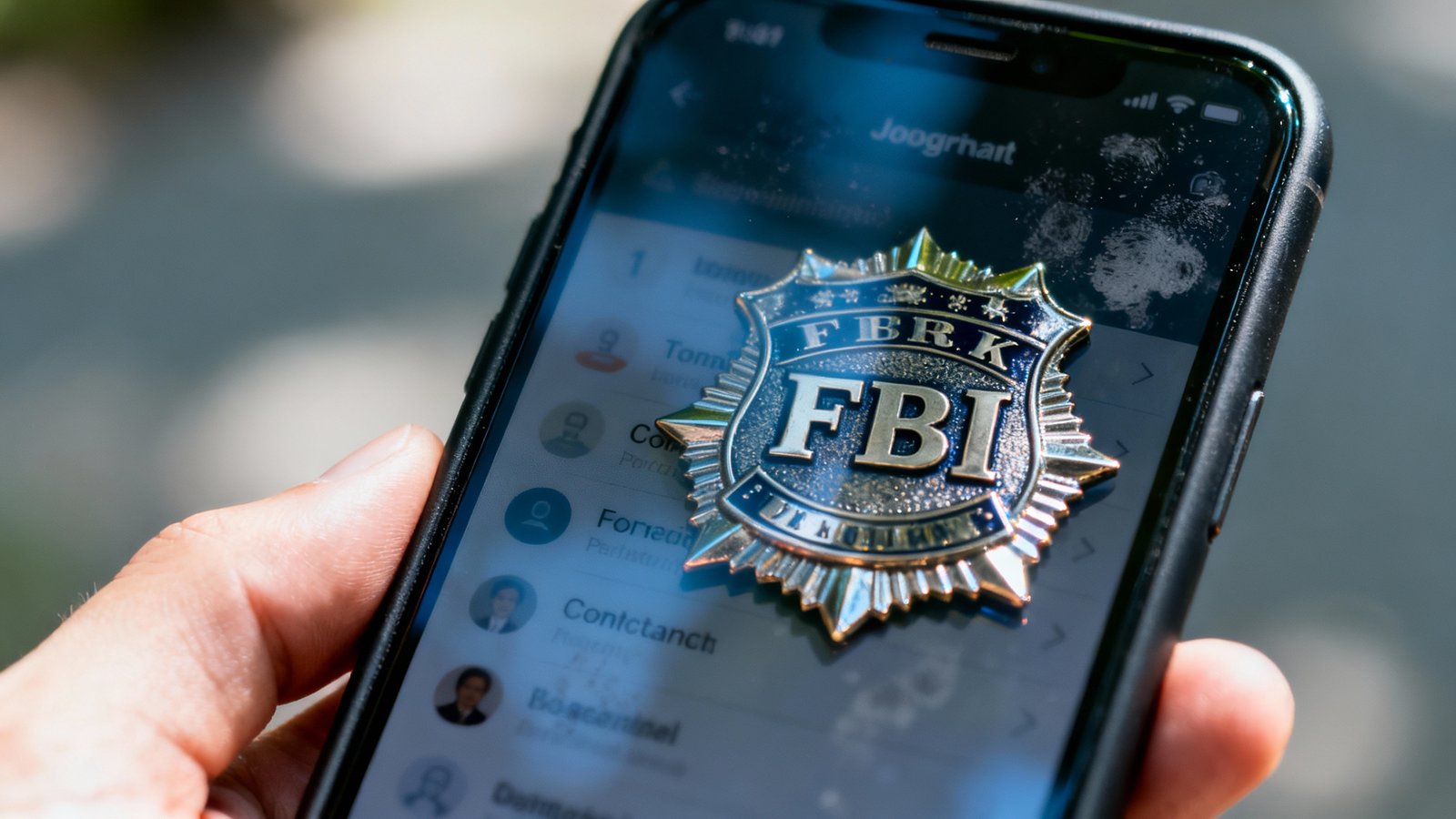
So, the FBI, right? They just walked into a Washington Post reporter’s home – a guy with, get this, over 1,100 government contacts in his phone – and seized his phone, his laptops, even his watch. His watch. This isn’t some back alley drug bust, folks. This is a federal agency going after a journalist, one who’s clearly doing his job, and doing it well enough to make someone in power really, really uncomfortable. And for what? “Fighting leaks.” That’s the party line, anyway. But come on, who are we kidding here?
When Did Reporting Become a Crime?
I’ve been doing this gig for fifteen years, seen my share of shady stuff, but this? This feels different. It’s like they’re not even trying to hide it anymore. This isn’t about some rogue agent; this is about a systematic attempt to clamp down on information, to choke off the very lifeblood of journalism. They wanna know who he’s talking to. They want his sources. They want to scare anyone else who might think about blowing the whistle on government screw-ups, or worse, government crimes.
The thing is, a reporter having a ton of government contacts isn’t a red flag. It’s, like, the job description. It means he’s plugged in. It means he’s asking questions. It means he’s probably breaking stories that the powers-that-be don’t want out there. And for that, they raid his house? It’s not just an invasion of privacy; it’s an assault on the First Amendment, plain and simple. It sends a chilling message to every single journalist out there: “Dig too deep, and we’re coming for you.”
The “Leaks” Argument is a Smokescreen
Look, I get it. National security is important. Nobody wants classified info falling into the wrong hands. But let’s be real. Most “leaks” that end up in the newspaper aren’t about troop movements or spy codes. They’re about incompetence, corruption, waste, and sometimes, outright abuses of power. They’re about government officials doing things they don’t want the public to know about. And that, my friends, is exactly what we, as journalists, are supposed to expose. That’s our job. That’s why we exist. To hold power accountable. Always.
Who Benefits From This Seizure?
Definitely not the public, that’s for sure. When reporters can’t protect their sources, sources dry up. And when sources dry up, the public is left in the dark. It’s not rocket science. It’s a fundamental principle of a free press. If a government official can’t trust that their identity will be protected when they come forward with vital information, they’re not going to come forward. And then we all lose. We’re left with only the government’s official statements, their carefully crafted narratives. And who trusts those completely, honestly?
“The greatest dangers to liberty lurk in insidious encroachment by men of zeal, well-meaning but without understanding.” – Louis Brandeis, and man, does that hit different today.
This whole “fighting leaks” thing? It’s basically code for “we want to control the narrative.” It’s about preventing embarrassing truths from seeing the light of day. It’s about making sure that the only information you get is the information they want you to have. And that, if I’m being honest, sounds a whole lot like something you’d expect in a country that’s not, you know, a democracy. We’re supposed to have a free press precisely because we don’t trust the government to tell us everything, or to always tell us the truth.
What This Actually Means
This isn’t just about one reporter, one story, or one set of devices. This is a full-frontal assault on the institution of journalism itself. It’s a message to every whistleblower, every government employee who sees something wrong and thinks about speaking up: “Don’t. We’ll find you. We’ll punish you. And we’ll make sure no reporter can protect you.”
It’s a dangerous precedent, and it’s one we should all be screaming about. Because if they can do it to a Washington Post reporter, they can do it to anyone. They can do it to your local newspaper. They can do it to that blogger you follow. The line between protecting national security and stifling dissent is getting blurrier by the day, and honestly, it seems like some folks in power are perfectly fine with it disappearing altogether. And that, my friends, is terrifying. We can’t let this slide. We just can’t.