






Remember that feeling? The internet, say, circa early 2022? A simpler time, you might think now, looking back. Before every other article felt like it was written by a particularly enthusiastic, if slightly soulless, intern. Before every search result for something even remotely complex devolved into a word-salad of AI-generated content, each sounding vaguely authoritative but ultimately telling you nothing you actually wanted to know. It’s like going to a restaurant where every dish tastes kind of… beige. Perfectly edible, sure, but entirely devoid of flavor, personality, or actual human touch. That’s the internet we’ve been navigating lately, isn’t it?
Well, here’s a thought: what if we could hit rewind? What if we could just, for a moment, escape the deluge of what people are now playfully – or maybe not so playfully – calling “AI slop”? What if our web searches could magically transport us back to a time when human beings, with their messy thoughts and unique perspectives, were still largely in charge of the digital conversation? It sounds like some kind of tech-nerd paradise, doesn’t it? A nostalgic trip back to the good old days, before ChatGPT dropped like a bombshell on November 30, 2022, and changed everything.
The Great Filter: Turning Back the Digital Clock
So, someone actually decided to build that time machine-ish tool. It’s called “Slop Evader,” and honestly, the name alone is a stroke of genius. It’s an extension, a little browser companion that promises to clean up your digital act-or should I say, digitally un-slop it. The premise is disarmingly simple, bordering on brilliant: it filters your web searches to only include results from before that fateful November 30, 2022. It’s literally like putting on a pair of digital nostalgia goggles for the internet.
A Clean Slate, a Clear Head
You know, some folks might call this a bit extreme. “Why shut out all the new stuff?” they’ll ask. And that’s fair. The internet is supposed to be a constantly evolving beast, right? But what if the evolution has taken a bit of a wrong turn recently? What if, in our race for efficiency and endless content, we’ve inadvertently sacrificed authenticity and genuine human insight? That’s the core problem this tool aims to address. It’s less about rejecting progress and more about seeking refuge from a specific kind of noise.
- The Problem: The web is increasingly polluted with AI-generated content, often spun out quickly, lacking depth, and just… well, generic.
- The Solution: A simple date filter dramatically reduces the chances of encountering this “slop,” pushing you towards content created by humans, for humans.
Think about it. You’re searching for baking tips, or maybe some obscure history facts, or even just a good review for a new gadget. Before, you’d get a rich tapestry of personal blogs, forums, early reviews, and detailed analyses. Now, it’s often a homogenized blob. Sites just trying to rank, pumping out endless articles that hit all the SEO keywords but forget the critical ingredient: human experience.
“It’s not about being anti-AI; it’s about being pro-humanity in your information diet.”
What’s Lost, What’s Gained?
Now, I’m not saying this is a perfect solution. You’re obviously going to miss out on brand-new information. If you’re looking for the latest iPhone review or an update on current events, this isn’t your tool. That much is clear. But for a surprising amount of web activity – research, hobbies, how-to guides, troubleshooting, or just diving deep into a niche subject – a good chunk of the really valuable stuff was probably already out there before Skynet ChatGPT decided to join the chat.
The Unseen Costs of AI Proliferation
This whole situation really makes you think about the quiet ways AI is changing our perception of information. It’s a bit like fast fashion, isn’t it? Lots of cheap, disposable content, easy to produce, but lacking in quality, durability, and often, ethical considerations. The web is becoming less of a curated library and more of an endless landfill, with mountains of quickly generated, often recycled-feeling content. And frankly, our brains aren’t built for that. We crave signal over noise, and AI, in its current mass-produced form, is generating a lot of noise.
- Quality over Quantity: The pre-2022 web, while still imperfect, generally had a higher ratio of human-authored, genuinely insightful content.
- Discoverability: AI-generated content often prioritizes SEO, pushing down valuable, older, human-created resources. This tool helps flip that script.
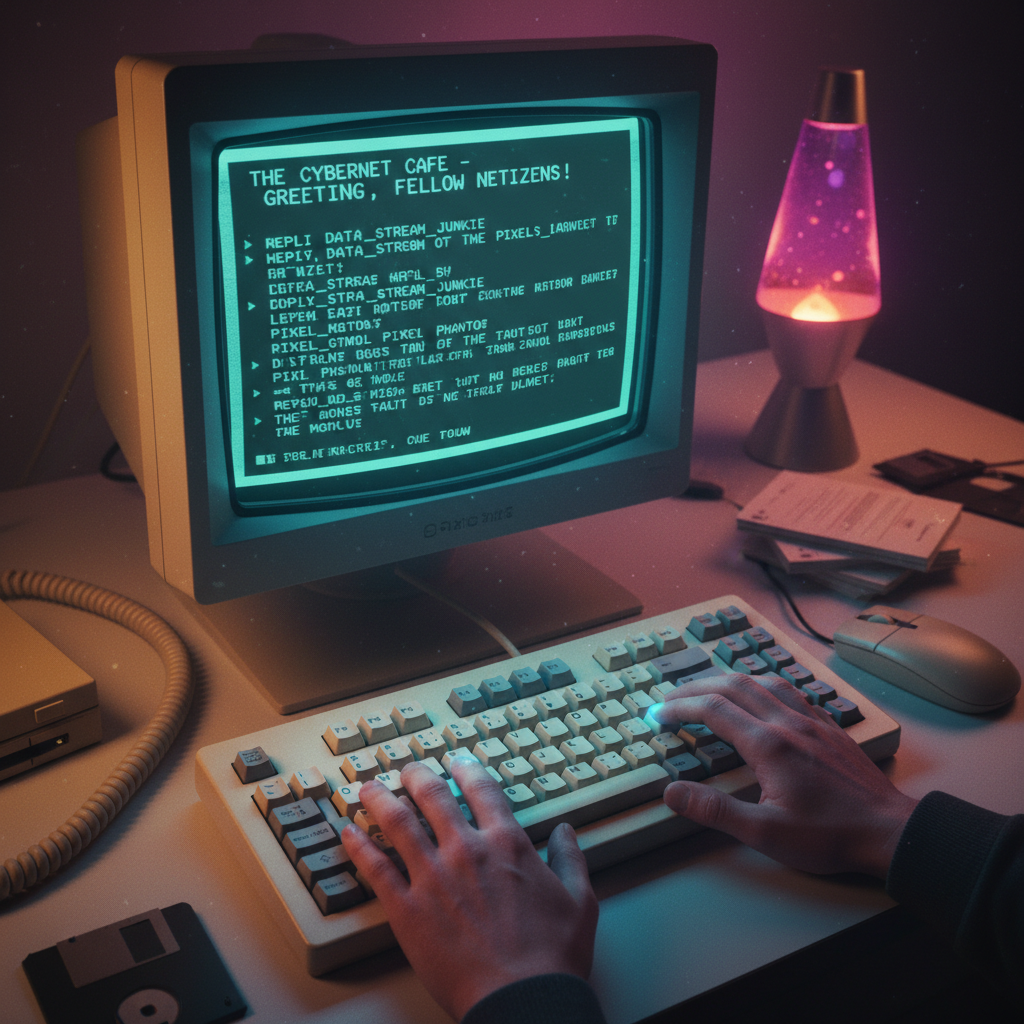
Imagine reading an insightful forum post from 2018 where someone genuinely struggled with a problem and found a solution, sharing their journey in detail. Compare that to a generic “Top 10 Ways to Fix X” article written by an AI trying to hit a word count. One resonates, the other just fills space. That’s the difference we’re talking about here. It’s about finding that human connection in the information we consume.
More Than Just Internet Archeology
So, is Slop Evader just a novelty? A fun little experiment in digital time travel? I don’t think so. It’s actually a pretty profound statement. It’s a recognition that even as technology barrels forward, there’s immense value in the human-created archive. It’s a quiet rebellion against the homogenization of online content. It’s a tool for those of us who miss the authentic, the quirky, the genuinely insightful voices that now sometimes feel buried under a mountain of algorithmically optimized mediocrity.
I mean, try it. Seriously. For a specific task, one where you’re not seeking breaking news, just for kicks, install this thing and surf for an hour. See how different the results feel. You might just find yourself discovering (or rediscovering) corners of the web that feel a little more like home, a little more human. And in an increasingly AI-driven world, that small sense of authenticity might just be more valuable than we realize.
