Take Danny Seagren. A name that probably doesn’t ring a bell for most, and honestly, that’s a bit of a shame. Because Seagren was more intertwined with the fabric of many a Gen X and Boomer upbringing than they’d ever suspect. He wasn’t just on “Sesame Street,” he was part of its DNA, literally embodying one of its most recognizable figures. And then, he did something else, something utterly unforgettable for a generation of kids-he was the first live-action Spider-Man. Yeah, you read that right. The one who taught us reading and grammar skills. Wild, huh?
From Avian Friend to Web-Slinger Extraordinaire
Now, you might think, “Big Bird and Spider-Man? That’s quite a leap.” And it totally is, both literally and figuratively, I guess. But for Danny Seagren, it wasn’t some kind of career whiplash; it was more a testament to his unique talents and, frankly, the golden age of children’s television he was a part of. He started out as a protégé of the legendary Jim Henson himself, training as a puppeteer. Can you even imagine that? Learning at the feet of the master? That’s, like, getting guitar lessons from Hendrix.
The Yellow Feathered Giant
His work on “Sesame Street” wasn’t just a gig; it was a foundational period. He wasn’t the main performer for Big Bird- that was the iconic Caroll Spinney- but Seagren was the understudy. He filled in, stepped up. This is where he cut his teeth, really got a feel for bringing a massive puppet to life. And get this:
- Big Moment: He actually performed as Big Bird on “The Ed Sullivan Show.” Think about that for a second. The cultural epicenter of its time, and there’s Danny, inside that massive yellow suit, making history, maybe even a little nervous.
- Skill Set: It clearly demonstrated his ability to imbue a seemingly inanimate object- or a very large costume- with personality and human emotion, which is a superpower in itself.
This wasn’t just about moving a costume; it was about acting inside it. A subtle art form, really, that gets overlooked way too often, overshadowed by the characters themselves.

Spider-Man’s Debut on Airwaves
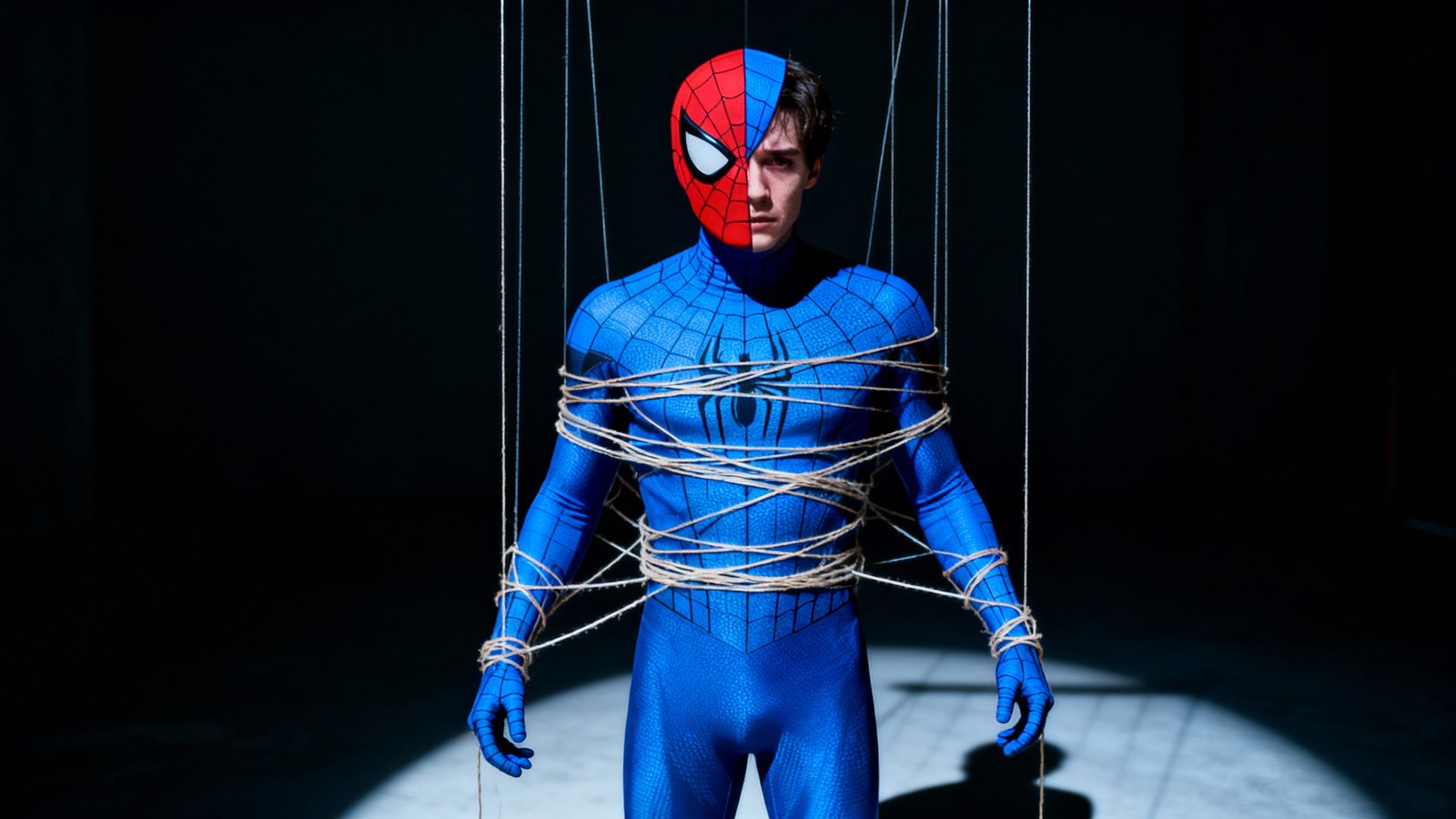
Then came “The Electric Company.” Oh, “The Electric Company.” For a certain generation, that show was everything. It was fast-paced, funny, and incredibly effective at teaching reading skills. And here’s where things get really interesting. In 1974, they introduced a segment that would stick with kids for decades: a live-action version of Spider-Man.
“The key to making Spider-Man work on ‘The Electric Company’ was getting someone who could move with that particular blend of heroics and humor, without ever speaking.”
Yeah, you heard that right. This Spidey didn’t talk. His dialogue was presented in word balloons on screen, to help kids with reading comprehension. And who was under that classic red-and-blue suit, doing all those fantastic, athletic poses and subtle movements to convey emotion? Danny Seagren. It sounds so simple, but it was genius. Think about the physical acting involved. No words, just body language, just the vibe. That takes some serious skill, born, I’m sure, from navigating the world as Big Bird’s understudy.
The Silent Hero and His Lasting Impact
It’s kind of wild to consider how different live-action superhero interpretations were back then. No CGI, no massive budgets for wire work. It was all about practical effects, good staging, and the performer’s ability to sell the illusion. And Seagren sold it. He really did.
Beyond the Mask
His performance as Spider-Man wasn’t about big speeches or dramatic confrontations. It was about visual storytelling. Every pose, every web-slinging (or rather, web-posing) moment, was designed to convey meaning and help with those on-screen words. He was teaching kids to read, basically, while embodying one of the coolest superheroes ever. It’s an intersection you don’t really see anymore, this blend of genuine educational content and beloved pop culture. And the fact that he did all that without uttering a single word from 1974 to 1977? Pretty remarkable.
- Unsung Hero: He was a hero in two distinct, yet equally important, ways. Physically portraying a beloved character and academically helping millions of children learn to read. That’s a pretty strong legacy, you know?
- Pre-CGI Mastery: It highlights a time when the physical performance was paramount. No digital trickery to hide behind. It was raw talent and dedication.
When you look back, this early TV Spider-Man might seem a little quaint, especially compared to today’s CGI-heavy blockbusters. But for a generation, he was the Spider-Man they knew, the one who swung into their living rooms every weekday afternoon. He was educational, he was cool, and he embodied everything Spider-Man stood for, even without a single spoken line.
So, the next time you see Big Bird or think about Spider-Man, just remember Danny Seagren. The man who learned puppetry from Henson, stood in as one of TV’s most iconic feathered friends, and then, donned the mask to become the first live-action, non-speaking, educational web-slinger. It’s a career that tells a fascinating story of the behind-the-scenes magic of children’s television, and the incredibly talented, often unsung, individuals who made it all happen. We probably owe him a lot more than we realize. What other unsung heroes helped shape your childhood, I wonder?