
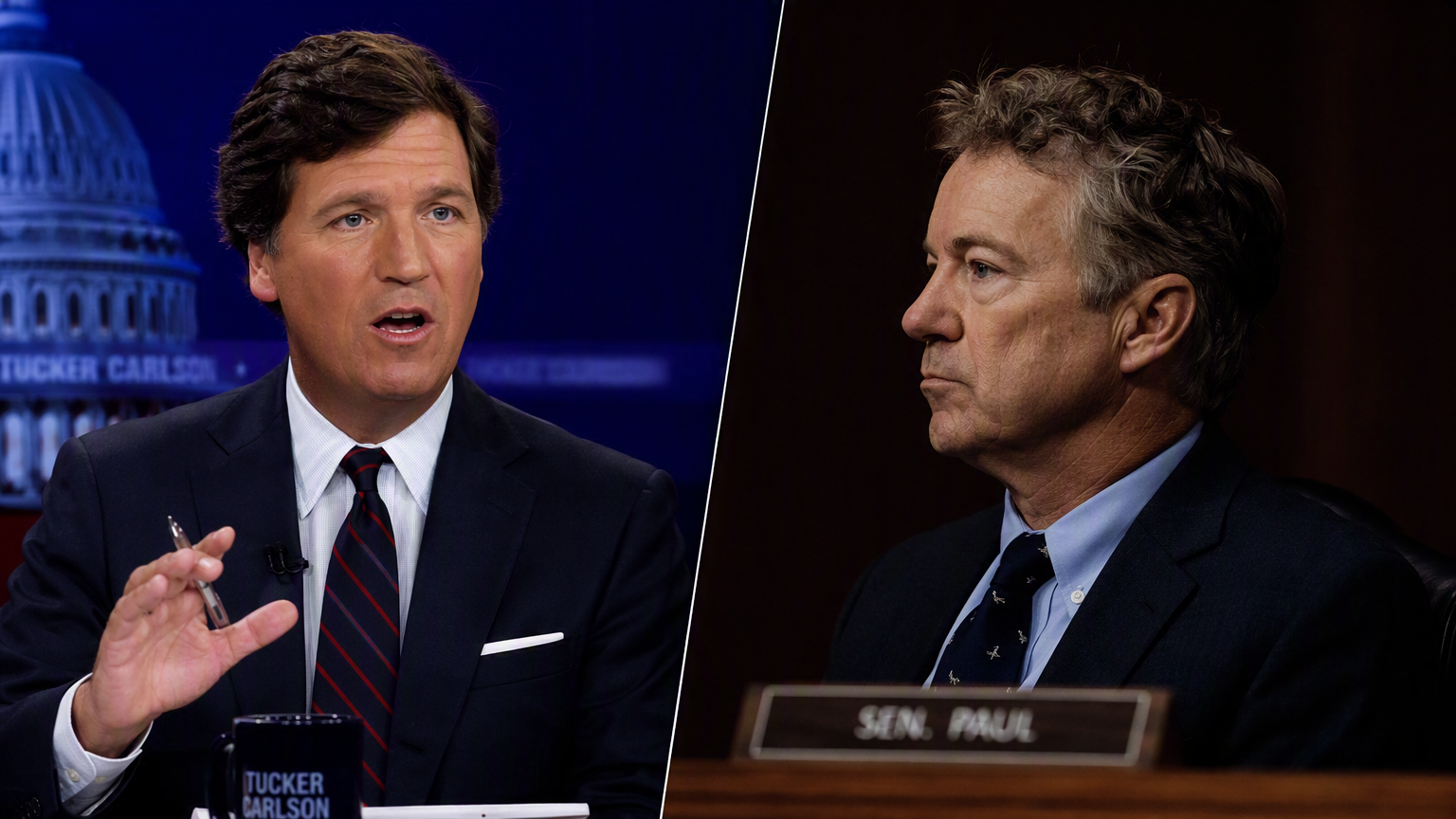
Ana Navarro said the quiet part out loud on The View, and honestly? She’s not wrong. Calling Mitch McConnell’s continued presence in the Senate at 83 years old, after multiple very public health scares, “elder abuse” is the kind of blunt assessment that makes people uncomfortable – but sometimes uncomfortable is exactly what we need.
When Did We Normalize This?
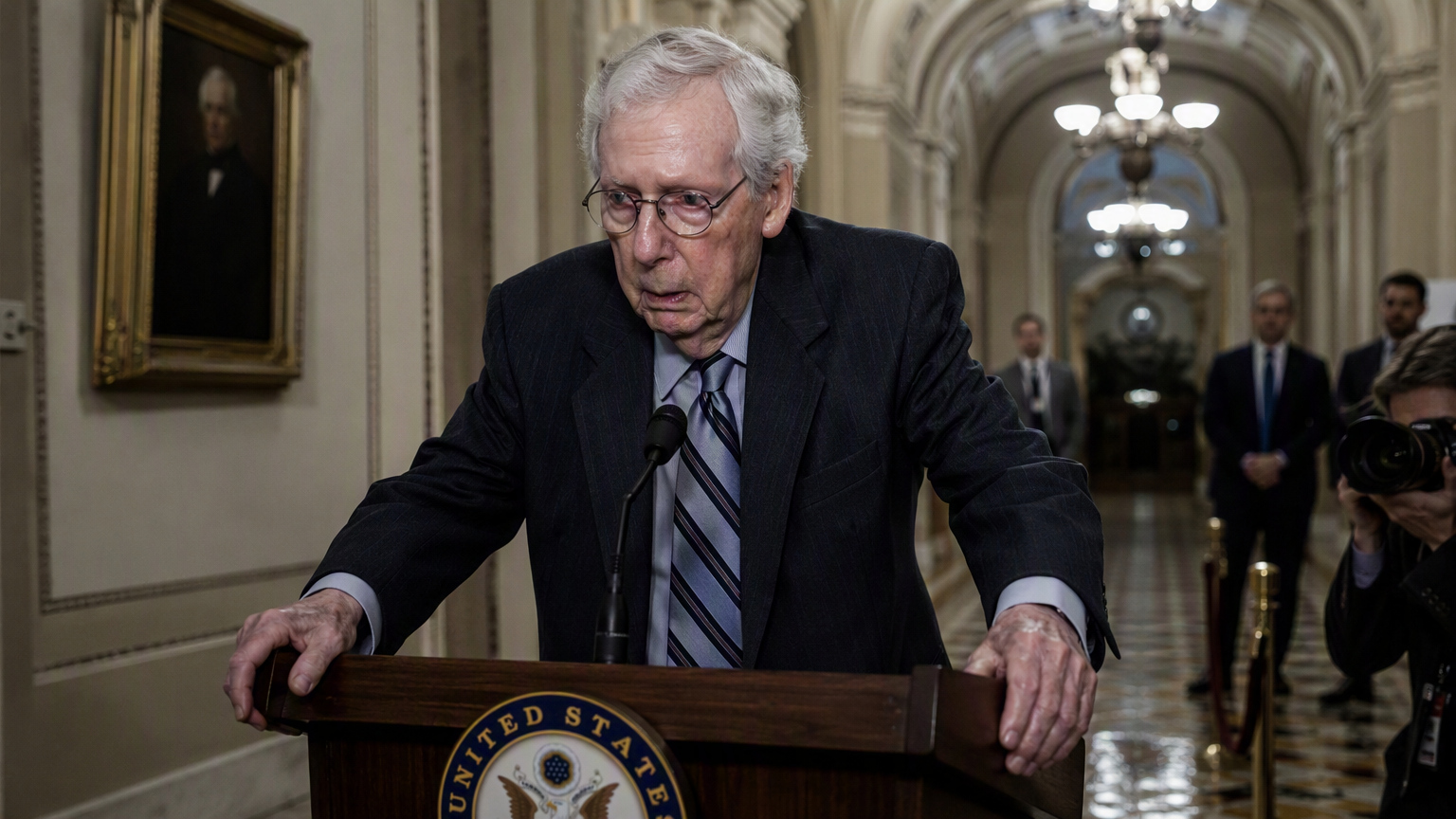
Look, I’m not here to pile on an elderly man. But here’s the thing – McConnell has had at least two documented freezing episodes on camera where he literally couldn’t speak or move for several seconds. We all watched it happen. Twice. And the response from his office and colleagues was basically, “He’s fine, nothing to see here, back to work!”
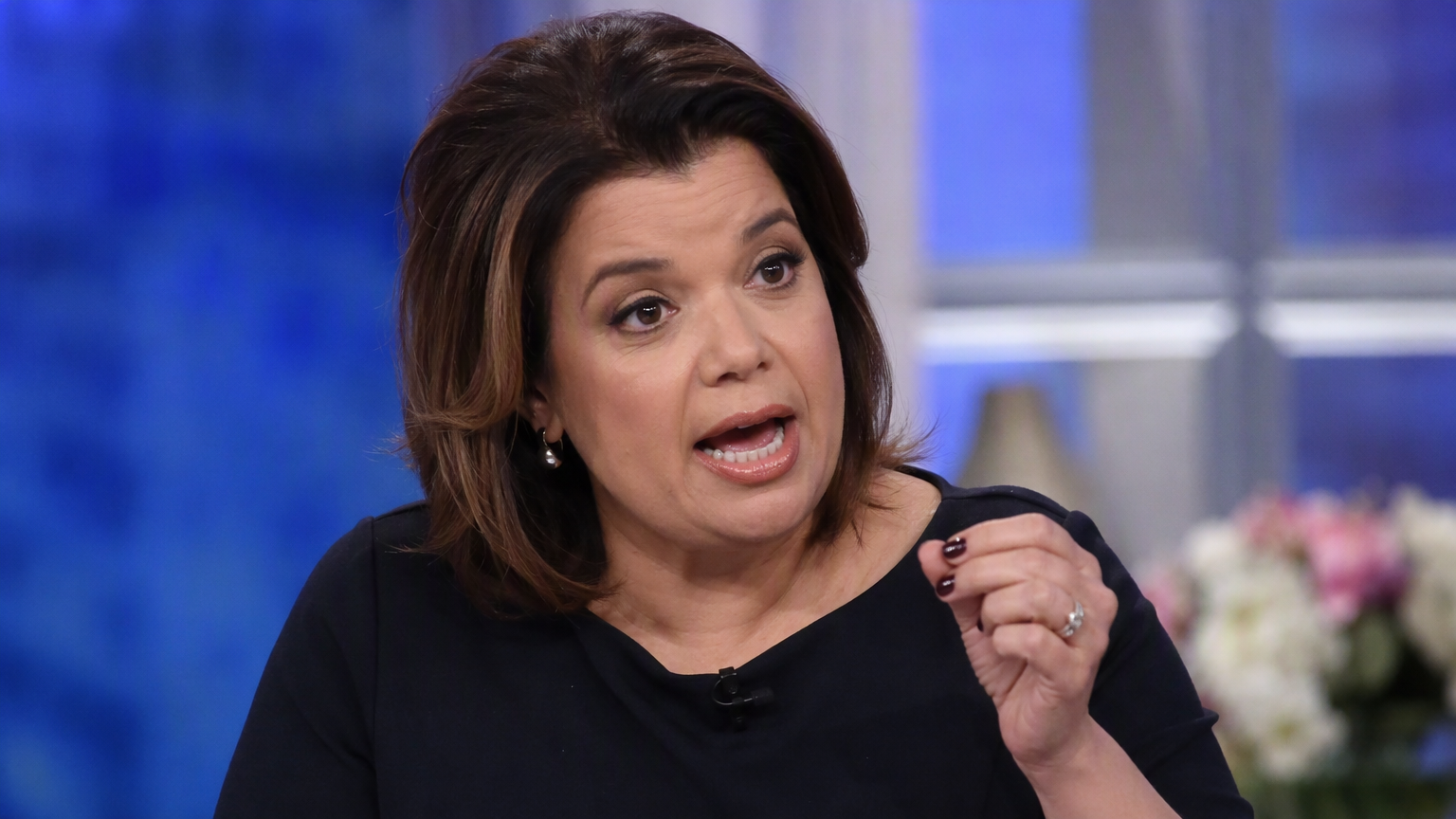
That’s what Navarro was getting at during the show’s discussion, and she didn’t pull punches. The View’s co-hosts were talking about the broader issue of elderly politicians clinging to power, and Navarro drew a line straight to McConnell. Because if we’re being honest – and I mean really honest – watching someone in that condition continue to hold one of the most powerful positions in American government feels less like dedication and more like something else entirely.
The Freezing Incidents Nobody Wants to Talk About
Remember the first time it happened? McConnell was at a press conference in Kentucky, mid-sentence, and then just… stopped. Completely froze. His aides rushed over, tried to get his attention, and eventually led him away. The second time was in the Capitol itself, same thing. Both times, his office issued statements that basically amounted to “he’s good, don’t worry about it.”
But we did worry about it. Because that’s not normal. And pretending it’s normal doesn’t make it normal.
Is This Really About McConnell, Though?
Not entirely, and that’s actually what makes Navarro’s comment even sharper. McConnell’s just the most visible example of a much bigger problem. We’ve got a gerontocracy running this country, and nobody wants to admit that maybe – just maybe – there should be some kind of off-ramp that doesn’t involve literally working until you can’t anymore.
Dianne Feinstein served until she was 90, and the last few years were painful to watch. Ruth Bader Ginsburg refused to retire and died in office, which led to… well, we all know how that turned out. Chuck Grassley is 91 and running for reelection. At some point, this stops being about respecting elders and their dedication to public service and starts being about something more troubling.
“When you see someone who clearly should not be working anymore, and everyone around them keeps propping them up and sending them back out there – what else would you call that?”
That’s basically Navarro’s argument, stripped down. And it’s making people squirm because it forces us to confront an ugly truth about how power works in Washington.
The Power Won’t Let Go
Here’s what actually drives me nuts about this whole situation – it’s not really about McConnell the person anymore. It’s about the machinery around him that keeps him in place. The Republican Party needs him there, or needed him there, because he was effective at wielding power. The committee positions, the institutional knowledge, the strategic thinking that comes from decades in the Senate.
But there’s a cost to that. And the cost is watching an 83-year-old man who’s had multiple concerning health episodes continue to show up for one of the most stressful, demanding jobs in the country. McConnell stepped down from Senate leadership, sure, but he’s still serving. Still voting. Still there.
The people around him – his staff, his colleagues, the party apparatus – they all have incentives to keep him in place. His seat is safe. His replacement is uncertain. Better the devil you know, right? Except we’re not talking about keeping an old car running past its expiration date. We’re talking about a human being.
Why “Elder Abuse” Hits Different
The phrase itself is provocative, and Navarro knew exactly what she was doing when she used it. Elder abuse usually refers to neglect, exploitation, or harm inflicted on older adults. And if you squint at this situation, you can kind of see her point.
Is it abusive to keep someone in an incredibly high-pressure job when they’re showing signs they maybe shouldn’t be there anymore? Is it exploitative to value their political utility over their wellbeing? I mean, these are uncomfortable questions, but they’re not unreasonable ones.
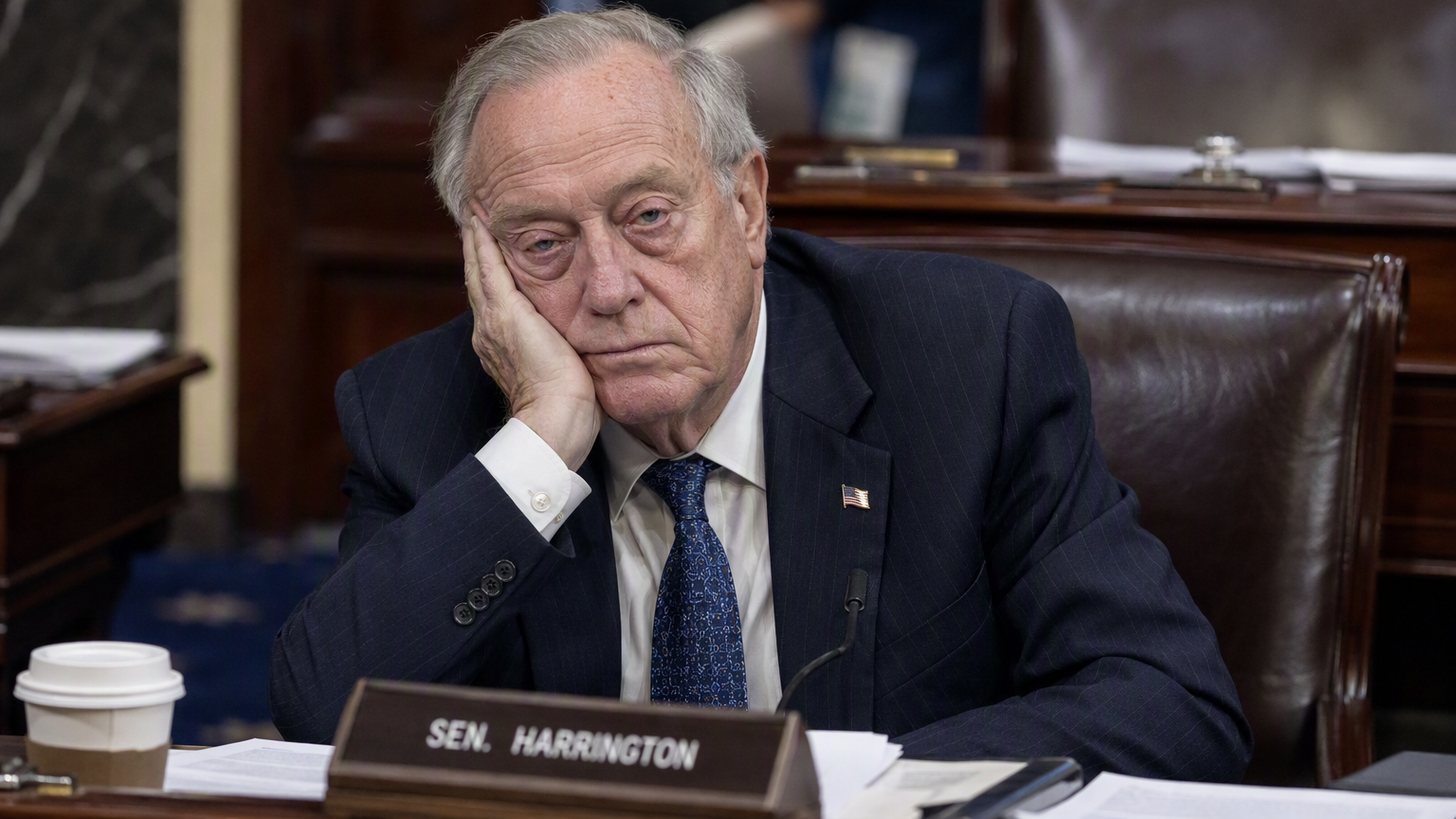
Not gonna lie, the first time I heard the clip, I thought it was a bit much. But then I sat with it. And the more I thought about McConnell standing there frozen, surrounded by people who just… kept him going, the less hyperbolic it seemed.
What This Actually Means
This isn’t really about Ana Navarro being provocative on a daytime talk show (though she’s good at that). It’s about the fact that we’ve built a political system where leaving office voluntarily is seen as weakness, where power concentrates in the hands of people who’ve held it for decades, and where we’re all supposed to pretend that age is just a number and has no bearing on someone’s ability to do one of the hardest jobs in the world.
McConnell’s situation is just the most visible symptom of that dysfunction. And calling it “elder abuse” might be harsh, might make people uncomfortable, might seem over the top. But you know what? Sometimes you need someone to say the uncomfortable thing out loud to actually start a real conversation about it.
Will anything change? Probably not anytime soon. McConnell will serve out his term (which runs through 2027, by the way – he’ll be 85). Other elderly senators will continue to serve until they physically can’t. And we’ll keep having this same conversation every time someone freezes on camera or dies in office or clearly isn’t capable of doing the job anymore.
But at least now we’re calling it what it looks like. That’s something, I guess.