
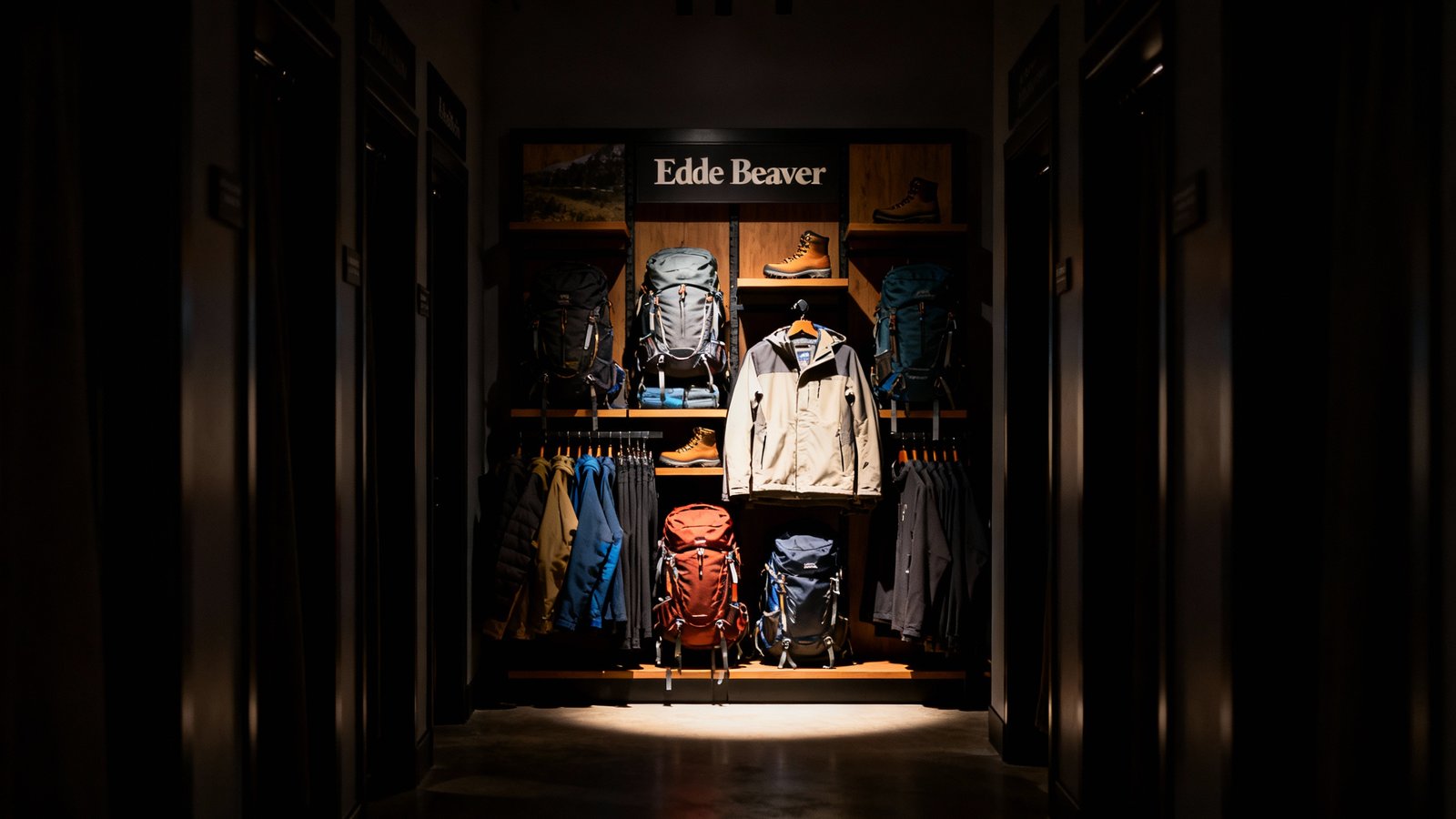
Okay, so Eddie Bauer. Remember Eddie Bauer? Yeah, me too. And honestly, the news floating around about them – the whole potential bankruptcy thing, the whispers about closing up shop for good on the physical store front – it just kinda hits different. It’s not just another brand going under. This isn’t some fly-by-night startup that never found its footing. This is Eddie Bauer we’re talking about. A name that, for a certain generation (mine, probably yours too), practically defined “getting outdoors” before “outdoorsy” was even a mainstream influencer aesthetic. And now? Now it feels like a last stand for a brand that used to be an institution.
The Long Slow Fade of an American Icon
I mean, come on. Eddie Bauer. My dad had an Eddie Bauer down jacket back in the day. A proper one. Heavy, warm, built like a tank. You could fall down a mountain in that thing and probably be fine. That was the vibe, right? Rugged, dependable, American-made (or at least, American-spirit-made). It was less about flashy logos and more about actual utility. You went to Eddie Bauer for stuff that worked, stuff that lasted, stuff that made you feel like you could, I don’t know, chop wood or something equally wholesome and outdoorsy, even if you were just heading to the grocery store in a blizzard.
But here’s the thing, and this is where it gets a little sad if you’ve been watching this space for a while: Eddie Bauer’s been struggling for ages. Like, decades. They’ve been through bankruptcies before. They’ve changed hands more times than I’ve changed my mind about what to order for dinner on a Friday night. It’s been a slow, agonizing slide from being a pillar of American outdoor wear to… well, to being kinda forgettable, if I’m being honest. And that’s the tragedy here. A brand with so much heritage, so much genuine history, just couldn’t quite figure out how to stay relevant, or cool, or even just consistently good in a world that moved on.
You walk into an Eddie Bauer store today, or at least the ones I’ve seen lately, and it’s a different animal. It’s not the same. The clothes feel… fine. Nothing special. The prices are often all over the map, with sales perpetually screaming at you from every corner, which always makes me wonder what the real price even is anymore. And the vibe? It’s just generic. It’s not the rugged, aspirational outdoor brand it once was. It’s trying to be everything to everyone – casual wear, a little bit of performance, a hint of “adventure” – and in doing so, it’s become nothing specific to anyone. It’s a prime example of a brand losing its damn identity. Who are they talking to? What problem are they solving? I’m not entirely sure they know anymore, and that’s a problem.
The Retail Apocalypse, One Brand at a Time
This isn’t just about Eddie Bauer, though, is it? This is about the retail landscape in general. We’ve seen this pattern play out over and over. Sears, J.C. Penney, Blockbuster (okay, that’s an old one, but you get my drift). Brands that were once so ubiquitous, so ingrained in our everyday lives, just… poof. Or at least, poof from the physical world. The internet happened, sure. Amazon ate everyone’s lunch, dinner, and probably a few snacks in between. But it’s also about something deeper. It’s about brands failing to innovate, failing to understand their customer, and honestly, failing to give people a reason to leave their couch and actually go to a store.
So, What The Hell Happened, Really?
You gotta ask, right? A brand that literally outfitted the first American expedition to Mount Everest – that’s some serious street cred. How do you go from that to struggling to keep the lights on? Part of it, I think, is the sheer competition. The outdoor apparel market exploded. You’ve got Patagonia, The North Face, Columbia, Arc’teryx, REI’s own brand – a million direct-to-consumer startups promising the next big thing in technical fabrics. And each of those brands carved out a niche. Patagonia is ethical and environmental. North Face is urban explorer, a bit more fashion-forward. Arc’teryx is hardcore, high-tech, expensive as hell. Where does Eddie Bauer fit in all that? It feels like they got stuck in the middle, trying to appeal to the person who wants to hike a fourteener and the person who just wants a comfy sweatshirt for watching Netflix. And when you try to do both, you often end up doing neither particularly well.
“It’s like they had this incredible story, this real, authentic connection to adventure, and then they just… forgot how to tell it.”
And let’s be real, the quality, for a while there, just wasn’t the same. People noticed. When your brand is built on rugged durability, and then your stuff starts falling apart after a season, well, that’s a quick way to lose customer trust. And trust, especially for heritage brands, is everything. It’s all they’ve got, often, when the pricing isn’t the best and the styling isn’t the latest.
The Death of the Mall Store as We Knew It?
This whole Eddie Bauer situation, it’s just another symptom of the slow, painful death of a certain kind of retail. The kind of retail that populated every single mall across America for decades. The Gap, Banana Republic, Abercrombie & Fitch – all these brands that used to be anchors, now they’re either gone, greatly reduced, or clinging on by a thread, often with a vastly different product line than what made them famous. It’s not just about online shopping. It’s about experience. It’s about value. It’s about giving people a reason to interact with your brand in person, something more than just picking up a shirt.
Think about it. Why would I go to an Eddie Bauer store when I can find similar stuff, probably for less, with more variety, and zero parking hassle, online? Unless that store offers something truly unique – an amazing customer service experience, products I can’t get anywhere else, a community hub, or just a really, really cool vibe – it’s just a warehouse with a cashier. And those don’t cut it anymore. Not for rent prices these days. Not for consumer expectations.
What This Actually Means
Look, I’m not gonna lie. It sucks to see a brand like Eddie Bauer on the ropes. It really does. It’s like watching an old friend struggle. But at some point, you gotta wonder if the best thing for the brand, for its legacy, might be to hit the reset button completely. Maybe a smaller, online-only presence focused on a few core, high-quality items? Or a complete rebrand that actually leans into the heritage but with a modern, compelling twist? (Like what Carhartt has managed to do with their workwear and their more fashion-forward Carhartt WIP line – that’s smart.)
But the news about potential store closures? That’s probably the most realistic outcome. The physical footprint of so many of these legacy retailers is just unsustainable. They’re paying for prime mall real estate when their customers are mostly scrolling on their phones. It’s a mismatch. It’s a dinosaur trying to outrun a meteor. The future of retail, if it involves physical stores at all for brands like Eddie Bauer, is probably going to look a lot different. Smaller, experiential, maybe pop-ups, maybe in different kinds of locations. But the Eddie Bauer store as we knew it? The one that was just always there in the mall? Yeah, I think we can probably kiss that goodbye. And that’s not just a sign of the times; it’s a harsh reminder that even the biggest, most historic names in the game aren’t immune to change. Or, more accurately, to failing to change fast enough. It’s a shame, really. A real, genuine shame.