
You’re Kidding Me, Right?
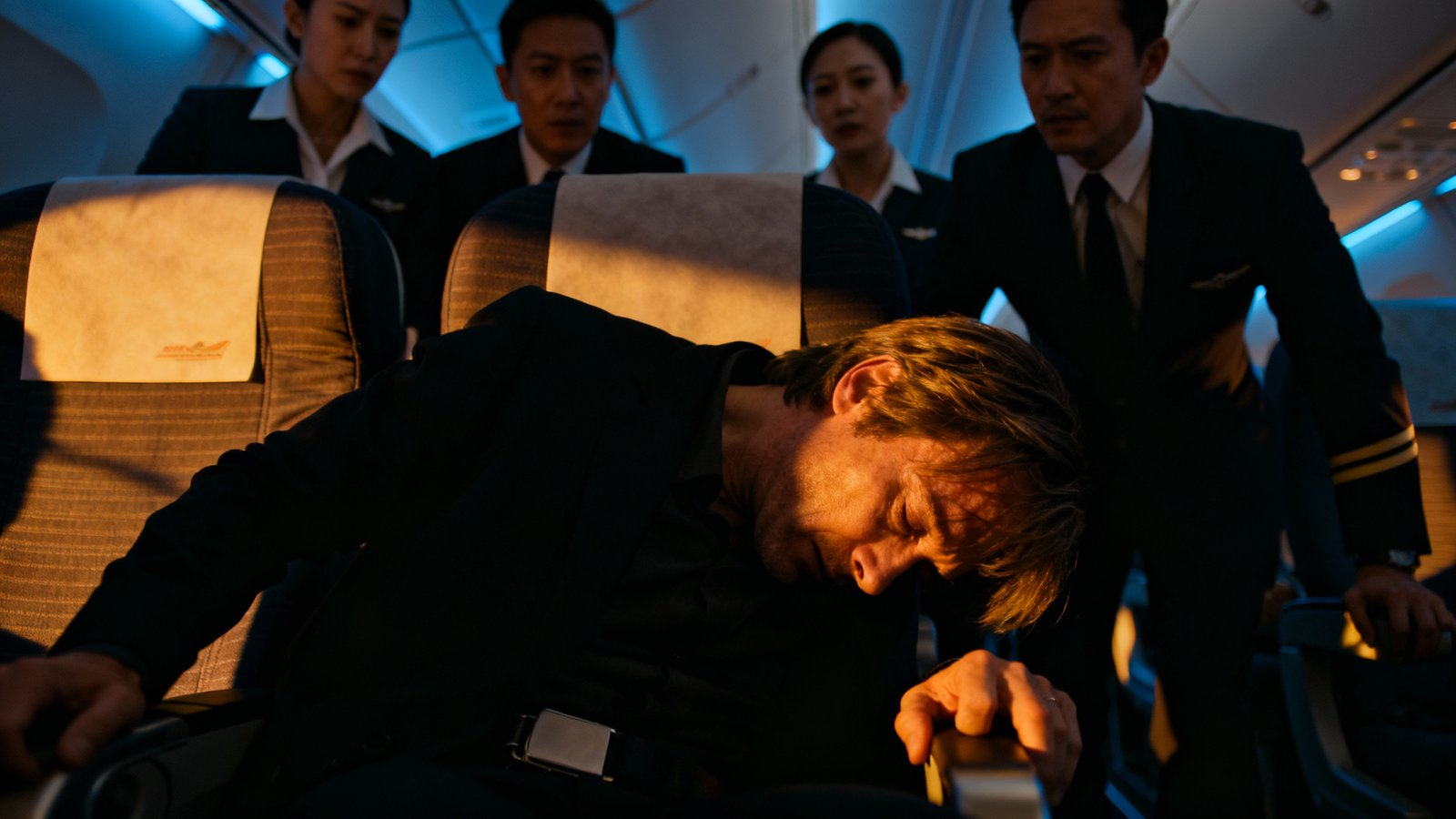
So, a guy, this passenger, he’s on a JetBlue flight. He gets sick. Not just a little bit queasy, apparently. We’re talking symptoms that scream, according to the lawsuit, “stroke.” And the kicker? He’s right there, “in full view of” the flight crew. Not in some hidden corner, not behind a curtain. Right out in the open. And for an hour, the complaint alleges, an hour, he just… sits there, getting worse, while the crew supposedly does nothing.
An hour. Think about that for a second. Sixty minutes. That’s enough time to watch an entire sitcom episode, maybe even two if you skip the commercials. It’s enough time to land a plane, taxi to the gate, and probably still have time to grab a coffee. But it wasn’t enough time, apparently, for this crew to get this man the medical attention he desperately needed. The lawsuit claims he was brought to the hospital only after that hour, still on the plane, after showing these symptoms. And you know what? He died. Not immediately, but from complications that the lawsuit says were directly related to that stroke. And you gotta ask, how much difference could an hour have made? A lot, usually. A real lot, when we’re talking about strokes.
The “Full View” Part Really Grinds My Gears
This isn’t some complex medical diagnosis being missed. We’re not talking about obscure symptoms that only a doctor would recognize. The lawsuit uses words like “facial drooping,” “slurred speech,” and “difficulty moving his left side.” I mean, come on. You don’t need an M.D. to spot that something is terribly, terribly wrong. Any decent human being, let alone trained flight crew, would see that and think, “Uh oh, emergency.”
And that “full view” bit? That’s not some legal technicality, that’s central to the whole mess. It means they saw him. They had to see him. It’s not like he was tucked away in a bathroom or something. He was right there. Visible. And the allegation is they just… let it ride. That’s what gets me. The sheer, alleged, indifference.
Is This Just How It Is Now?
Here’s the thing about air travel these days. It feels like every time you turn around, there’s another story about a passenger being treated like a nuisance, or worse, being completely ignored. We’ve all been on those flights where you push the call button and it takes ten minutes for someone to even acknowledge you. But this? This is on a whole other level. This isn’t about getting a Diet Coke five minutes late. This is life and death.
“The lawsuit alleges the JetBlue crew’s ‘indifference and inaction’ led to the passenger’s death.”
And you know, JetBlue’s whole thing is supposed to be about customer service, right? They built their brand on being a bit better, a bit friendlier than the other guys. If these allegations hold up, it just makes you wonder what kind of training they’re actually giving these folks. Or if it’s not training, but just a culture that says, “deal with it later.”
The Bigger Picture, Or Lack Thereof
This isn’t just a JetBlue problem, probably. It feels like a symptom of a larger issue. Airlines are constantly trying to cut costs, squeeze more people into planes, and speed up turnaround times. And where does that leave the human element? It often gets pushed to the side, doesn’t it? Flight attendants are stretched thin, dealing with everything from unruly passengers to medical emergencies, sometimes without adequate support or resources.
But, and this is a big “but,” none of that excuses alleged inaction in the face of a clear medical crisis. You sign up for this job, you get trained (or you’re supposed to), and part of that job is responding when someone is clearly in distress. It’s not just about serving snacks and pointing out the emergency exits. It’s about being a first responder, really, in a very confined and often high-stress environment. And if you can’t or won’t do that, then maybe this isn’t the job for you.
What This Actually Means
Look, this lawsuit is ongoing. The allegations are just that – allegations. JetBlue, of course, hasn’t commented on the specifics, which is standard legal procedure. But even the allegation that a crew watched a passenger suffer a stroke for an hour, in plain sight, and did nothing, that’s a gut punch. It makes you think twice about who’s looking out for you when you’re 30,000 feet up.
It means we, as passengers, need to be aware. We need to speak up, not just for ourselves, but for others, if we see something like this happening. And it means airlines, every single one of them, needs to take a long, hard look at their emergency protocols, their training, and frankly, the basic humanity of their staff. Because if these claims are true, if this man’s family lost him because of alleged “indifference and inaction,” then we’ve got a much bigger problem on our hands than just a delayed flight. We’ve got a problem with empathy, and that’s something no amount of in-flight entertainment can fix.