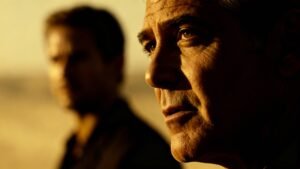
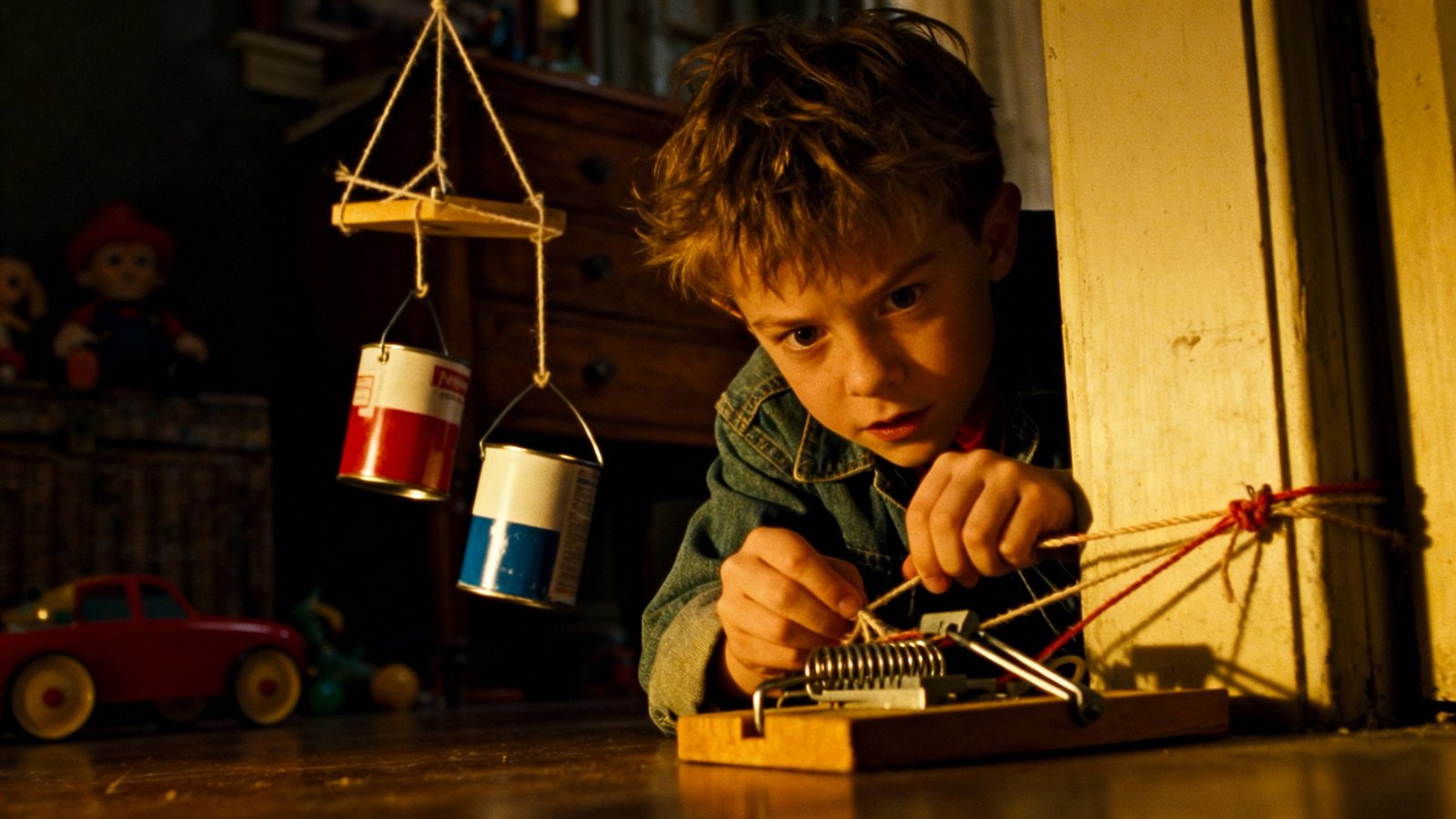
CULKIN’S COMEBACK: Kevin vs. Son’s Traps!
Okay, so let’s just put it out there: Home Alone isn’t just a movie, right? It’s a whole vibe. A Christmas institution, honestly. Every year, without fail, someone in my family cues it up, and even though we know every beat, every trap, every screamed “KEVIN!”, it just hits different. It’s that warm, fuzzy, slightly chaotic feeling of childhood holidays, mixed with a bizarrely satisfying schadenfreude as Harry and Marv get their just deserts, again and again. And who could forget Kevin McCallister-that little guy with a plan, a whole house to himself, and a mischievous twinkle in his eye? He wasn’t just left behind; he was basically a pint-sized MacGyver, turning household items into instruments of comedic, albeit painful, justice. We loved it then, we love it now.
Now, fast forward a few decades. Macaulay Culkin, the OG Kevin, is all grown up. He’s got his own life, his own career, and, perhaps most importantly for this conversation, his own kids. And that-that right there-is where the magic, or rather, the genius of his latest idea for a Home Alone sequel just kind of clicked into place for me. Because what if the tables turned? What if the master of booby-trapping wasn’t the eight-year-old anymore? What if the original trap-setter had to face traps set by his own son? This is wild, you guys. Genuinely brilliant, if you ask me.
The Prodigal Son (of Traps) Returns
Culkin, bless him, has apparently been thinking along similar lines. He pitched this idea, you see, a new Home Alone movie where his character, Kevin, is now a grown man-a dad, even-and it’s his son who’s the one left home alone. And here’s the truly delicious part, the part that makes my inner child do a happy dance: Kevin ends up falling victim to his son’s elaborate, undoubtedly child-logic-fueled, traps. I mean, come on! The poetic justice! The generational warfare! It’s like something out of a perfectly written sitcom, but with firecrackers and paint cans. It practically writes itself, doesn’t it?
A Full-Circle Moment, Sort Of
Think about it for a second. We’ve seen Kevin as the architect of chaos. We saw him brilliantly outmaneuver two bumbling burglars-who, by the way, probably needed some serious therapy after their encounters with him. But to see him on the receiving end? That truly is a fresh take. It’s not just a rehashing of the old plot; it’s a clever inversion. It asks a really interesting question: How good are you at your own game when the rules, and the player, have changed?
- The Irony: Kevin, the original master of defense, becomes the ultimate target. Talk about coming home to roost, literally.
- The Humor: Imagine his exasperation, his dawning realization that he’s being outsmarted by a kid who probably picked up his own tricks from childhood anecdotes about Dad’s “wild” Christmas.
The Trap-Setting Legacy Lives On
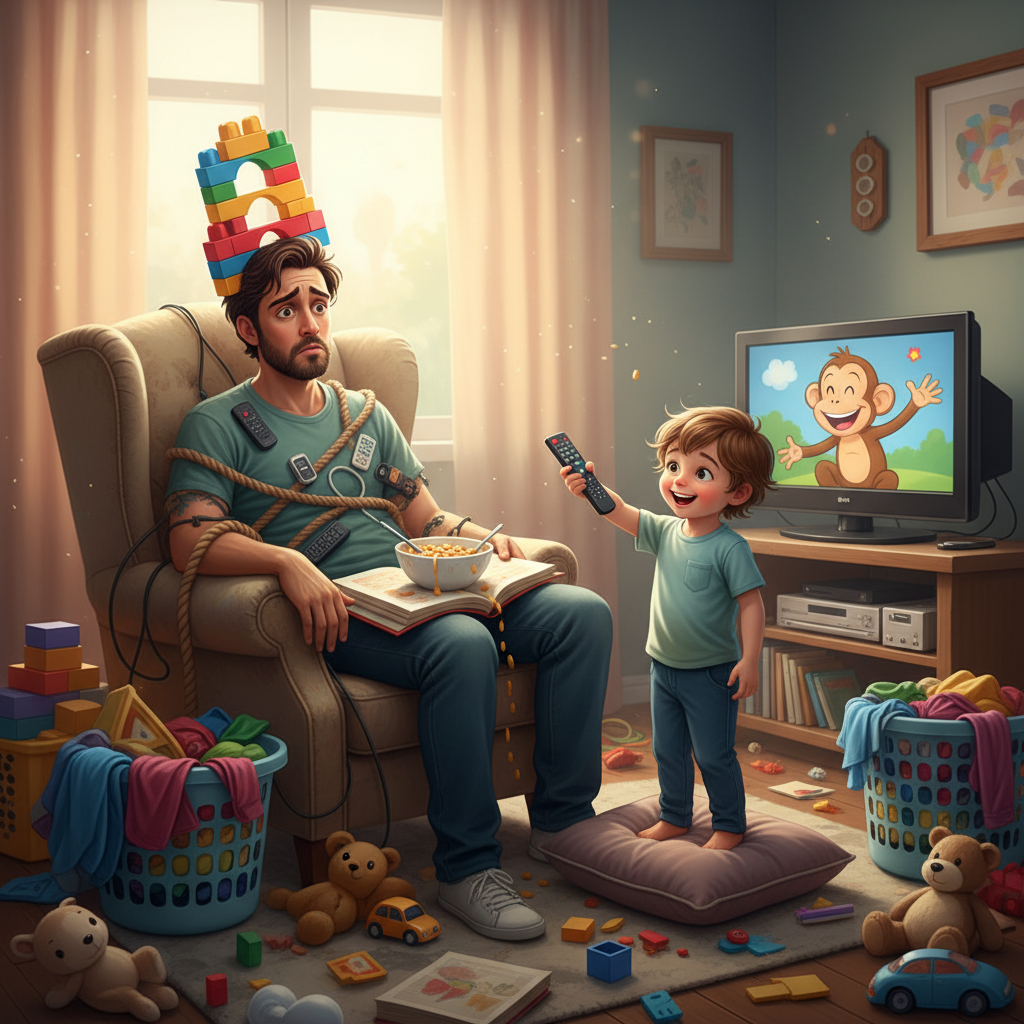
This isn’t just about nostalgia, though that’s definitely a big part of Home Alone’s enduring appeal. This is about legacy. It’s about how the things we do-especially the slightly mischievous, boundary-pushing things-can come back to us, maybe with a vengeance, maybe with a laugh. And honestly, it feels very human, very real. Parents often find themselves dealing with their kids doing exactly what they did, but perhaps with a 21st-century twist. I can just envision Kevin, now a grown man, probably a little flustered, perhaps slightly out of shape, trying to navigate a house rigged with child-sized tripwires and strategically placed buckets of who-knows-what.
The Real Stakes
What makes this pitch so appealing, beyond the sheer hilarity, is the inherent drama. Sure, it’s comedic, but there’s also a touch of universal parental struggle in it. Imagine trying to get through your own house when it’s been turned into an obstacle course by a pint-sized genius. The frustration, the love, the utter bewilderment-it’s all there. And we, the audience, we’d be right there with him, probably shouting unsolicited advice at the screen, just like we always do. We’d understand Kevin’s pain because, let’s be real, haven’t we all felt a little bit like a pawn in our kids’ elaborate games sometimes?
“It’s like a comedic karma, a full-circle moment for cinema’s most famous home-alone kid.”
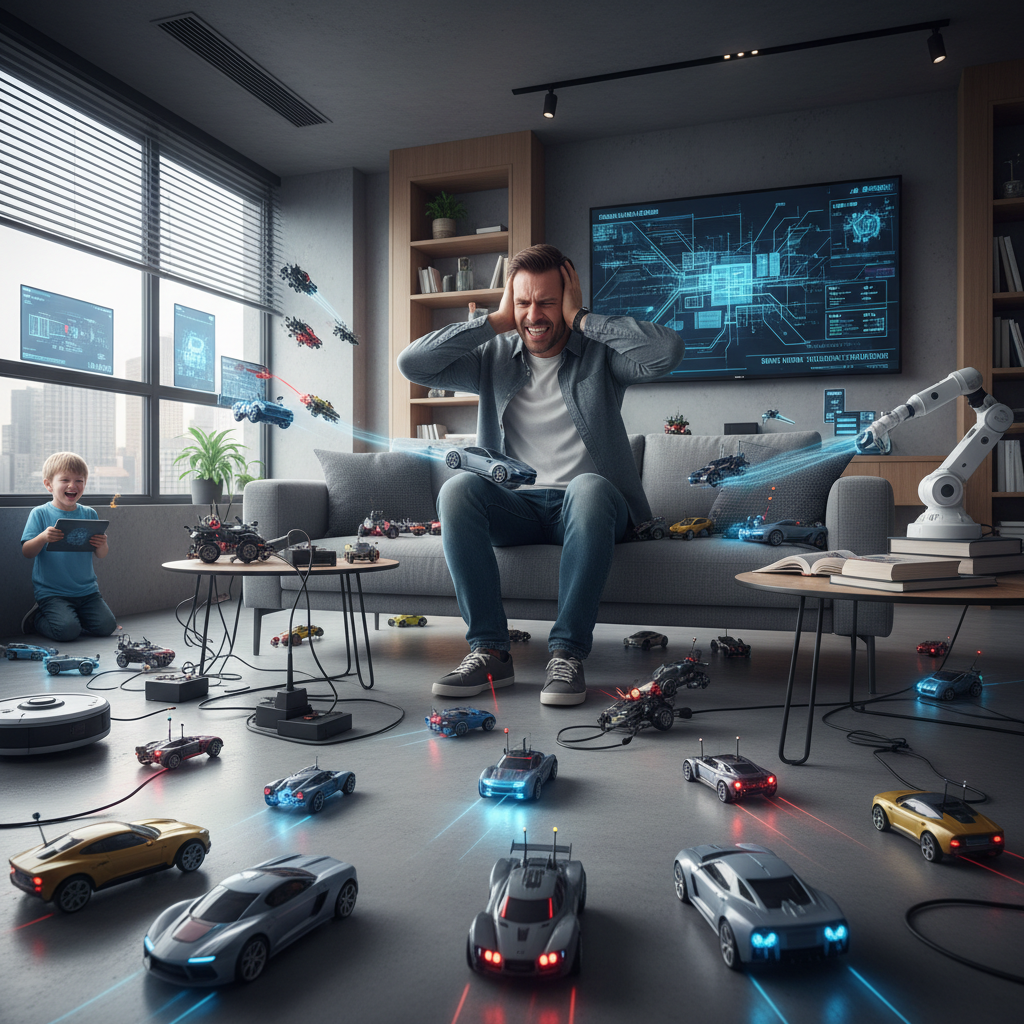
And let’s not forget the possibilities for the traps themselves! Modern kids, with their iPads and their drones and their general access to the internet, could concoct some truly next-level stuff. Forget slippery stairs with ice; we could be talking laser grids made from toy lightsabers, or an Alexa command that unleashes a horde of RC cars. The potential for escalation is incredible. Kevin thought he was clever with that hot doorknob? His son might have rigged the smart home system to play Baby Shark at ear-splitting volumes on loop until he gives up the ghost.
Why This Needs to Happen (and probably will never)
Now, you might think, “Oh, another reboot/sequel idea, Hollywood is so unoriginal.” And yeah, sometimes that’s true. But this one feels different. It has a heart. It has a clever twist. It’s not just “Kevin’s back, but slightly older.” It’s “Kevin’s back, and he’s finally getting a taste of his own medicine, dished out by the next generation.” It touches on themes of parenting, of childhood shenanigans, of the cyclical nature of life, all wrapped up in the familiar, comforting blanket of a Christmas classic. It’s a goldmine! A comedic masterpiece just waiting to be made. Why isn’t Disney scrambling to get this off the ground? It’s the kind of meta-narrative that just works. This is not just a commercial idea; it’s a genuinely funny, genuinely smart one.
So, here’s hoping someone, somewhere, is listening to Macaulay. Because seeing Kevin McCallister, the architect of delightful domestic destruction, stumble through his own child’s booby traps? That’s not just a sequel, folks. That’s a cultural event. That’s probably the only way you could actually get me excited about another Home Alone movie, and I bet I’m not alone in that. What do you think-would you watch it? I know I would, popcorn in hand, ready to laugh at the master becoming the student, or rather, the victim. It just feels right, doesn’t it?