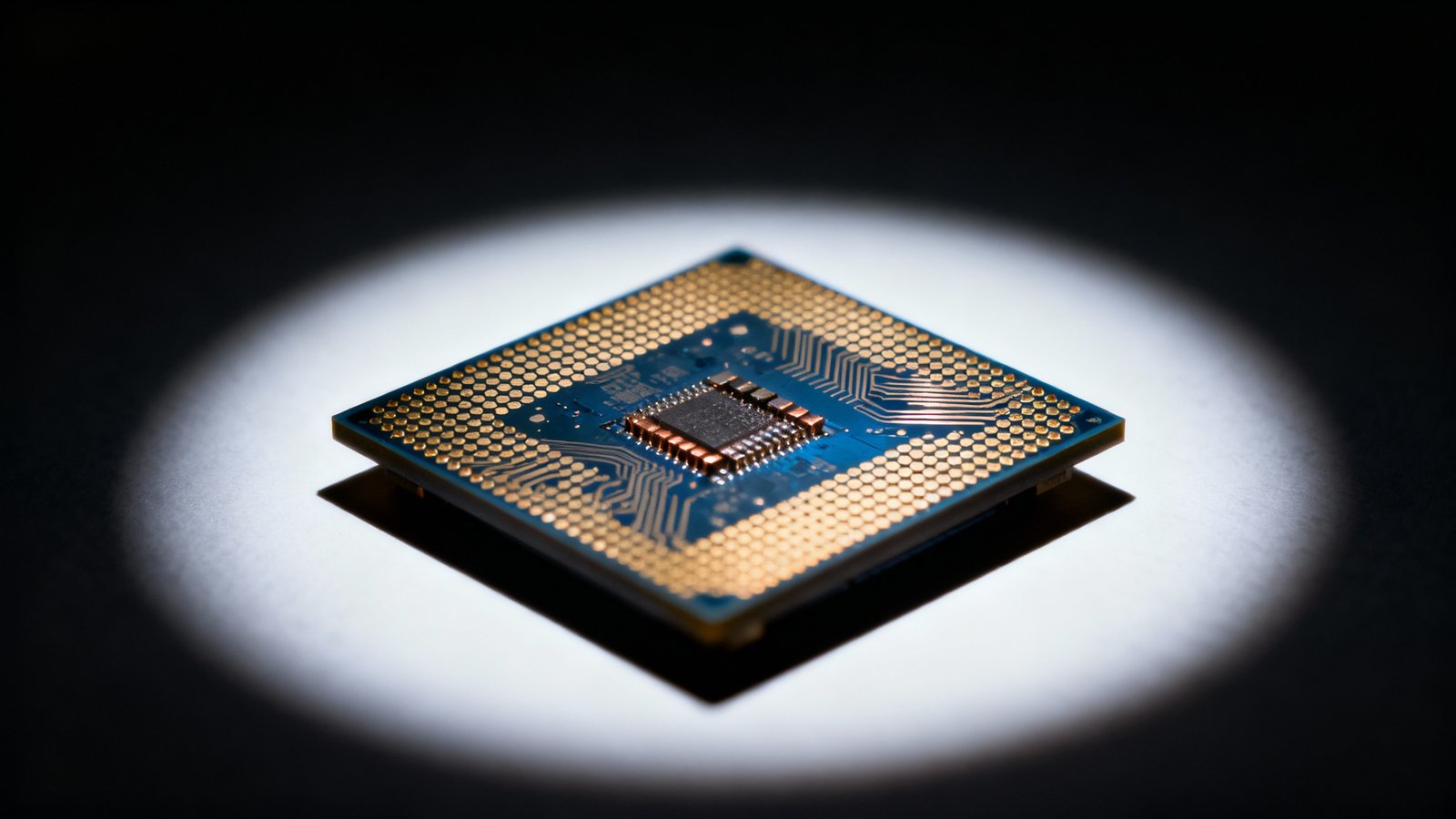
Okay, so picture this- you’re Nexperia, this Dutch chipmaker, right? And you’ve got these factories, these vital supply chain links, humming along in China. Everything’s, well, you know, trucking. Then suddenly, geopolitical squabbles, export restrictions, all that good stuff, starts gumming up the works. It’s like trying to get a package delivered from your grandma in a different country, but half the roads are closed, and some guy in a suit keeps intercepting your mail. Frustrating? Beyond. Now, what do you do?
You make a plea. A pretty urgent one, actually. Nexperia, bless their hearts, is basically asking their Chinese units, “Hey guys, can you, like, really lean into this? We need your help to un-snarl this mess.” It’s a fascinating peek behind the curtain, isn’t it? Because it really shows how deeply intertwined these global supply chains are, even when politicians are trying their absolute best to untangle them. It’s not just some abstract economic theory- it’s real companies, real jobs, real products caught in the crossfire.
I mean, think about it- they’re not just saying, “Hey, figure it out.” They’re specifically asking these Chinese entities to help restore the supply chain. That’s a pretty heavy lift, especially when the whole world seems to be trying to pull it apart. This isn’t just about moving chips; it’s about navigating a truly complex, politically charged landscape.
The Great Un-Snarling Effort
So, what exactly does “restore the supply chain” even mean in this context? It’s not just about logistics, that’s for sure. We’re talking about everything from sourcing specific raw materials- which often come from places that are now, shall we say, tricky to deal with- to maintaining lines of communication, and even, probably, finding alternative routes for components. It’s kind of like trying to re-inflate a bouncy castle after someone’s deliberately let all the air out, and then some kids started poking holes in it. A real uphill battle, you know?
The Geopolitical Tug-of-War
The core of this problem, naturally, stems from the increasing tension between the West and China regarding semiconductors. We’ve seen the U.S. and its allies putting the squeeze on China’s access to advanced chip technology, citing national security concerns. And China, in turn, isn’t exactly sitting idly by. This creates a whole lot of turbulence for companies like Nexperia, which operates globally.
- Point: Export restrictions mean Nexperia’s Chinese units can’t easily get certain high-tech components they need from outside China.
- Insight: This forces them to either find domestic alternatives- which aren’t always up to spec or available- or lobby for exceptions, which is exhausting.
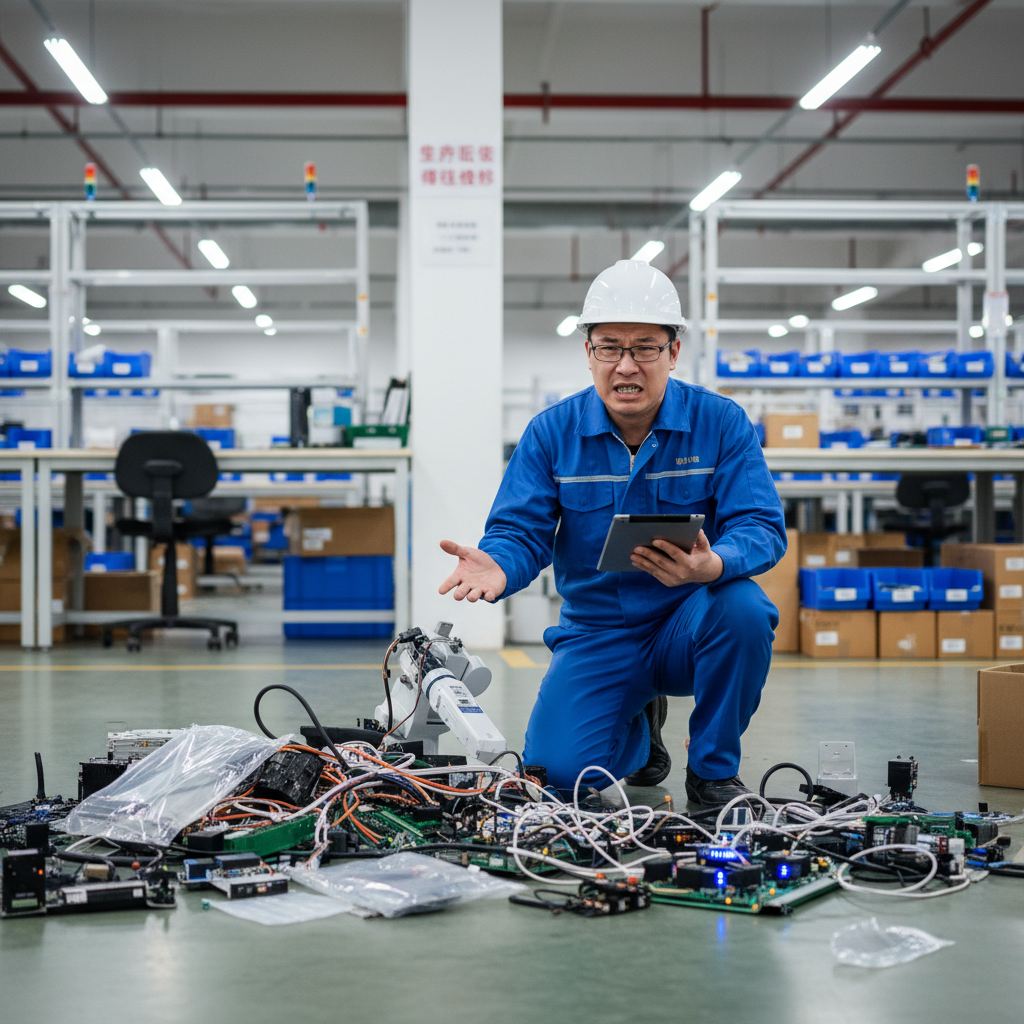
It’s a classic catch-22. On one hand, you want to comply with regulations, keep your home country happy. On the other, you’ve got existing operations, supply contracts, and an entire workforce in China that’s essential to your global output. It’s like being stuck between a rock and a very hard place, isn’t it? And companies, as usual, are the ones trying to navigate this incredibly complex, and often contradictory, set of demands.
“The beauty, and sometimes the curse, of globalized manufacturing is its ruthless efficiency. Disrupt that, and you don’t just slow things down; you can effectively break them.”
Why China’s Role is So Critical
Now, you might think, “Why can’t Nexperia just diversify away from China?” Well, that’s not exactly a weekend project, is it? China isn’t just a manufacturing hub; it’s an ecosystem. It’s got the infrastructure, the skilled labor, the sheer scale of production that’s incredibly difficult, if not impossible, to replicate quickly elsewhere. They’ve built up decades of expertise and capacity. It’s not just about a factory; it’s about the entire surrounding industrial fabric.
The Realities of Re-shoring
Moving production is insanely expensive and takes years. We’re talking about billions of dollars in investment, not to mention finding and training a comparable workforce, building new facilities, and recreating intricate supply chains for everything from specialty chemicals to highly specific machinery. It’s not like packing up your desk and moving to a new office. It’s more like moving an entire small city overnight. Unrealistic. Completely.
- Point: China’s role isn’t just about cheap labor anymore; it’s about mature infrastructure and a deep talent pool in manufacturing.
- Insight: This means Nexperia’s plea isn’t a temporary workaround; it’s an acknowledgement of China’s irreplaceable, at least in the short-to-medium term, position in their operational strategy.
So, when Nexperia asks its Chinese units to step up, it’s basically saying, “We need you to figure out how to keep the machine running, even with one hand tied behind your back and politicians throwing wrenches in the gears.” It’s a testament to the ingenuity and adaptability that companies are being forced to find in these turbulent times. It certainly puts a different spin on corporate strategy, doesn’t it?

The Long-Term Game: Adapt or Be Left Behind
Here’s where it gets interesting- this isn’t just a Nexperia problem. This is a microcosm of a much larger, global trend. Every multinational company with significant operations in China is facing similar pressures, similar calls for, well, self-sufficiency or at least self-preservation within their Chinese branches. It’s forcing a rethinking of how global companies operate.
Are we seeing the beginning of a truly bifurcated global economy, where companies essentially run parallel, semi-independent supply chains for different geopolitical blocs? It sure seems like it. Or, perhaps, we’ll see more companies making these kinds of urgent, internal pleas, hoping their local teams can work miracles. Either way, the days of seamless, borderless manufacturing- if they ever truly existed- seem to be rapidly fading into the rearview mirror. It’s a brave new world, and companies like Nexperia are just trying to keep their heads, and their chips, above water.
Ultimately, Nexperia’s plea isn’t just a news tidbit; it’s a flashing neon sign. It underscores the immense challenge of disentangling economies that have been interwoven for decades and highlights the pivotal role Chinese operational units are being asked to play in their parent companies’ survival. It’s like a complex game of Jenga- remove one block, and the whole thing could just crumble. So, they’re asking their Chinese units to hold on tight, to brace the tower. It really makes you wonder, doesn’t it? How long can they keep that up?