
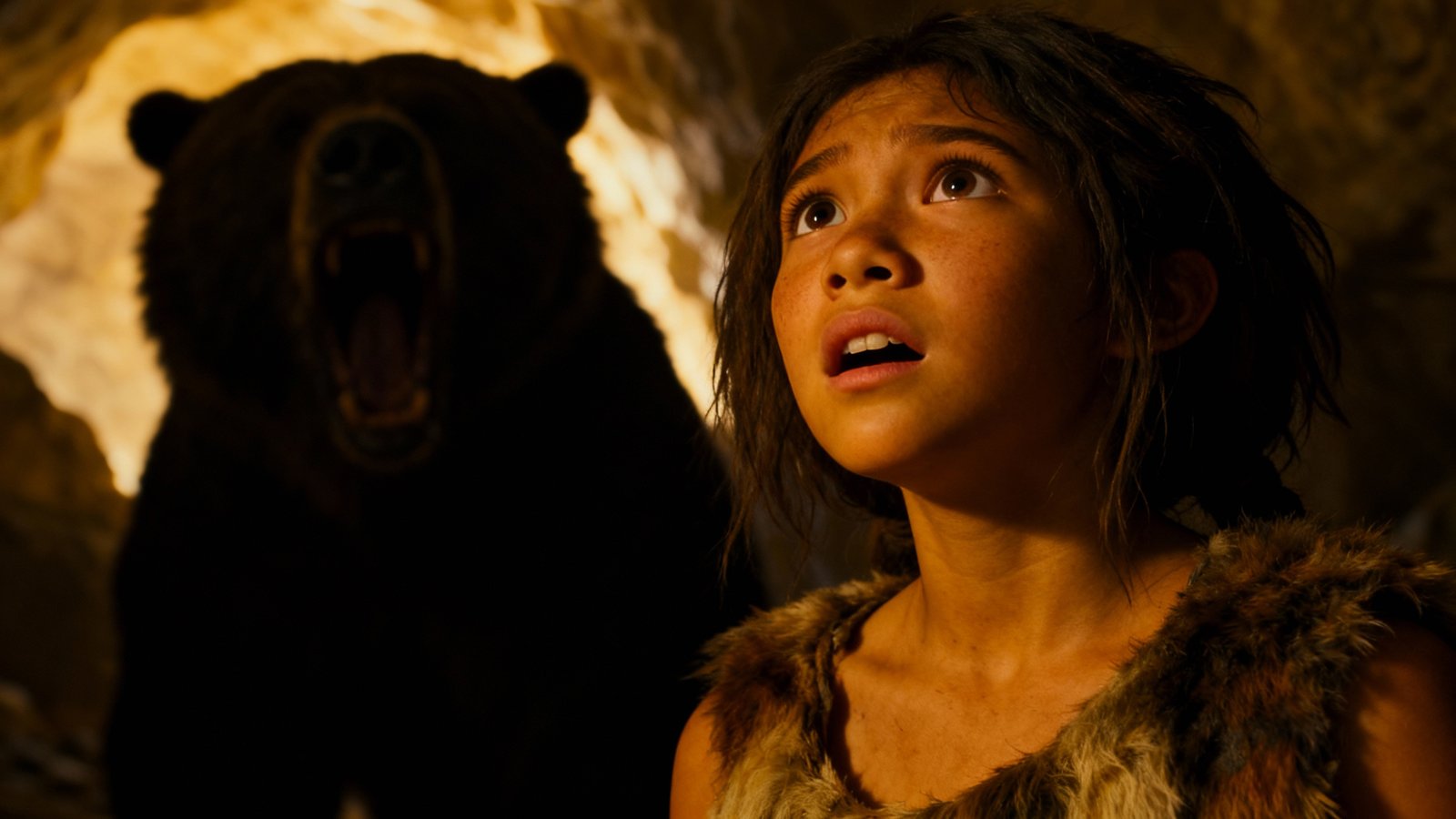
Sometimes, getting a movie made feels less like a creative endeavor and more like a Herculean feat of sheer will and, frankly, a lot of hustling. I mean, you’ve got scripts, directors, actors, budgets-it’s a whole thing, right? But what about when a film, a prehistoric epic no less, about Neanderthals and Cro-Magnons, teeters right on the edge of oblivion? That’s where the unsung heroes of film markets step in, often with a flair for the dramatic and a relentless sales pitch.
I’m talking about a movie that sounds pretty bananas on paper: a Cro-Magnon girl, adopted by a family of Neanderthals. Sounds like a cult classic in the making, or maybe a really interesting fever dream. But back in the 80s, before CGI was practically doing all the acting, this kind of premise was a huge gamble. And for a hot minute, the film adaptation of Jean M. Auel’s beloved novel, The Clan of the Cave Bear, seemed destined to stay exactly where it began-on the page. But then, enter the American Film Market, circa the 1980s, and a guy named Mark Damon.
The Echoes of a Different Era-Film Sales in the 80s
You know, today, film financing often feels a bit like venture capitalism-slick presentations, data analytics, IP, all that jazz. But in the 80s, especially at something like the American Film Market (AFM), it was a different beast entirely. It was more about raw salesmanship, handshakes, and a kind of charming, almost theatrical, persuasion. Imagine a massive convention center buzzing with independent producers, distributors, and sales agents, all trying to catch lightning in a bottle. Mark Damon and his Producers Sales Organization (PSO) were masters of this particular game.
Mark Damon’s Midas Touch
Damon, bless his relentless heart, wasn’t just walking the halls; he was practically sprinting through them, selling dreams and, more importantly, pre-selling distribution rights. For a film like Clan of the Cave Bear, this wasn’t just about finding a release for a completed movie. Oh no. This was about finding the money to make the movie in the first place. Sounds a bit backwards, doesn’t it? But that’s often how independent film works-money comes from promises of future returns, like a cinematic IOU.
- The Challenge: A period piece set 35,000 years ago, requiring extensive makeup, location shooting, and no spoken language beyond grunts and primitive gestures.
- The Solution: Aggressive pre-sales at AFM, convincing international distributors that audiences would actually pay to see this.

Now, you might think, “Well, so what? That’s just business.” But consider the context: no Nicole Kidman as a box office draw (Jane as in Jane Horrocks was rumored to be in discussions way back when, but it eventually went to Daryl Hannah), no pre-existing visual effects breakthroughs that would make a mammoth look remotely real without costing a nation’s GDP. It relied on a deep, abiding faith in the story itself and, crucially, in Damon’s ability to sell ice to an eskimo-or in this case, a prehistoric epic to a skeptical distributor.
“Without the American Film Market, many films that we now consider classics-or at least memorable-would simply have never existed. It’s truly a launchpad, a crucible for cinematic ambition.”
The Magic of the Marketplace-Why AFM Matters
The AFM isn’t just a place to buy and sell. It’s a barometer for what the global market is yearning for, what trends are emerging, and, frankly, what crazy ideas might actually find an audience. For The Clan of the Cave Bear, it wasn’t just about Damon’s tireless efforts; it was about the collective appetite of international buyers who saw potential in a story that transcended language barriers and offered a unique, escapist experience. They saw the universal themes-survival, belonging, discovery-even if the characters mostly communicated through grunts.
Beyond the Pitch: Building Belief
Here’s where it gets interesting, beyond just the mechanics of sales. Damon and his team weren’t just pitching a movie; they were selling a vision. They had to cultivate genuine belief in a project that, by all accounts, was an absolute wild card. Think about it: trying to convey the emotional depth of a Cro-Magnon girl’s journey through a Neanderthal tribe without the finished film, often with just concept art and a compelling logline. That takes a special kind of charisma and conviction. It’s almost like a performance in itself, you know?
- Impact of Source Material: The novel was a huge bestseller, which certainly helped, giving buyers a familiar framework.
- The Damon Factor: His reputation for delivering on ambitious projects gave buyers confidence. Trust is everything in this business.

It’s hard to imagine that something as complex and, frankly, weird as The Clan of the Cave Bear could have sprung into being without that kind of concentrated effort at a market like AFM. It wasn’t about an algorithm predicting success; it was about a human being looking another human being in the eye and saying, “Trust me, this is going to be big,” and then actually making it happen. That’s a certain kind of magic, really.
So, the next time you’re scrolling through a streaming service and stumble upon a cinematic oddity-a film that makes you think, “How on earth did this ever get made?”-it’s worth sparing a thought for the bustling, often chaotic, world of film markets. Because chances are, somewhere in a packed hall, under fluorescent lights, someone like Mark Damon was pulling out all the stops, selling a vision that others might have dismissed as too risky, too strange, or just too… prehistoric.
And honestly, isn’t that pretty cool? It’s a reminder that even in the big business of Hollywood, there’s still a space for passionate individuals to fight for the stories they believe in, roaring their existence into being, much like a cave bear finding its voice in a silent, ancient world.