





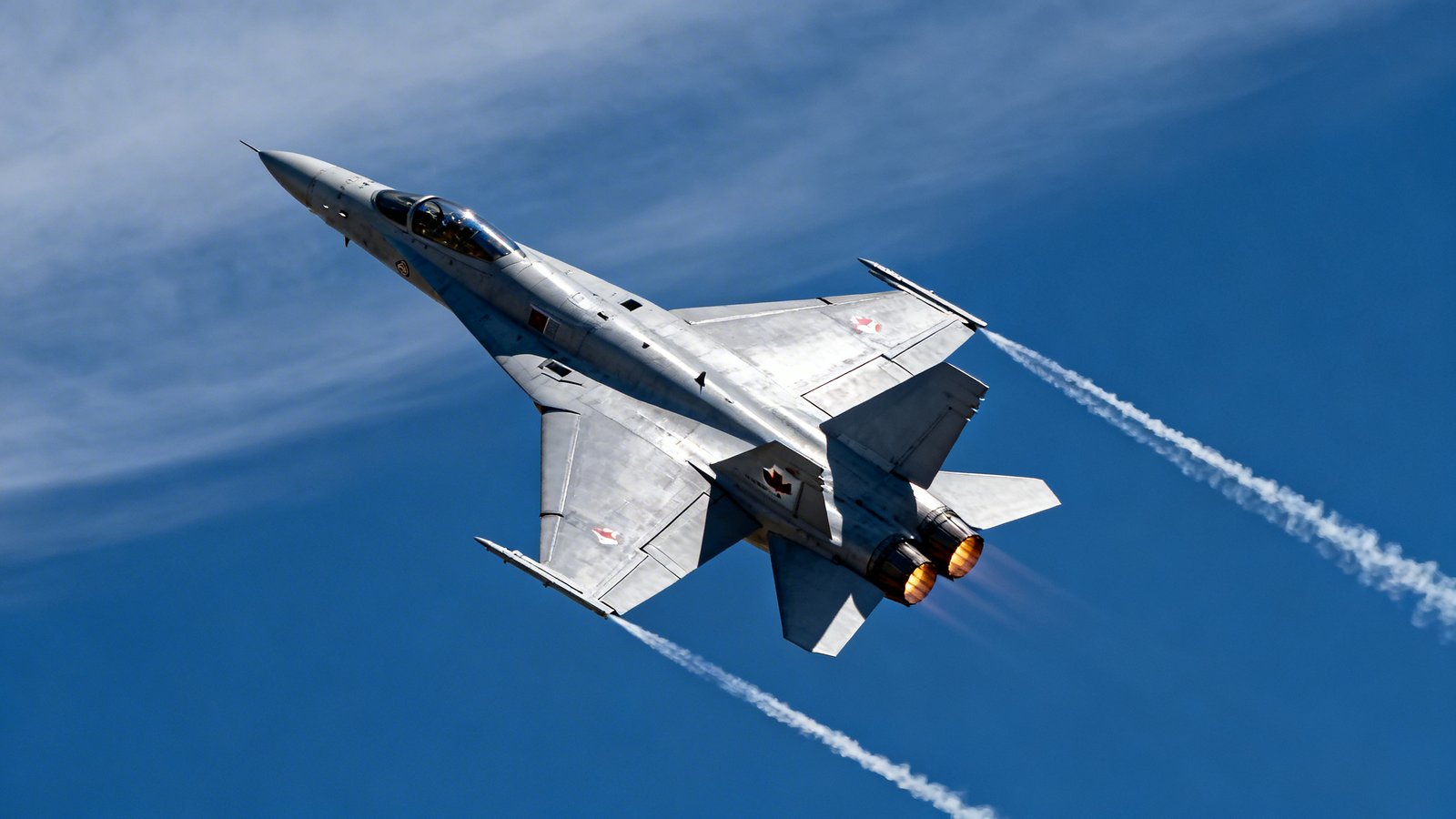
Alright, so Canada, right? Always kinda just… there. Our polite, maple-syrup-loving neighbors to the north. But get this: they’re actually considering buying fighter jets that aren’t American. Like, for real. This isn’t some polite, passive-aggressive huff; this is a potential full-blown breakup with Uncle Sam’s defense industry, and honestly, it’s about damn time someone called them out on it. Or, you know, just went a different way entirely.
“Once Unthinkable,” They Said. Yeah, Right.
For decades, it’s been a given, hasn’t it? Canada needs new military gear, they pick up the phone, and boom – it’s American-made. F-18s, C-130s, the whole kit and caboodle. It’s like they were stuck in some kind of defense procurement arranged marriage. And hey, I get it. Proximity, NORAD, all that jazz. It makes sense on paper. But then you look at the actual history, especially with the whole F-35 debacle, and you start to wonder if “sense” ever really entered the equation.
Remember that F-35 saga? Oh man. It was like watching a slow-motion car crash, but with billions of dollars and Canada’s air defense capabilities hanging in the balance. They were in, then they were out, then they were “considering” it again, then they were looking at Super Hornets as a ‘temporary’ fix. It was a mess. A total, utter, embarrassing mess. And frankly, it left a bad taste in a lot of mouths, both in Ottawa and, I’d imagine, in the boardrooms of Lockheed Martin. You kinda wonder if they finally just got fed up with the price tags and the drama.
A Different Flavor of Fighter
So, what are they looking at instead? We’re talking about the Saab Gripen from Sweden and the Eurofighter Typhoon, a multi-national European effort. These aren’t exactly obscure, experimental aircraft. They’re proven, capable jets that other serious air forces around the world fly. And from what I’m hearing, they’re not just ‘alternatives.’ They’re serious contenders. The Swedes, bless their hearts, they’re good at building things that work, and work well, without all the unnecessary bells and whistles that just hike up the cost and complexity. And the Europeans? They know how to build a damn good fighter too, one that’s been battle-tested.
So, Is the US Out, Or Just Getting a Time Out?
That’s the million-dollar question, isn’t it? Is this a genuine shift in Canadian defense policy, a declaration of independence from the American military-industrial complex? Or is it just a clever negotiating tactic? A way to put pressure on Boeing or Lockheed Martin to sweeten their deals, maybe offer more industrial benefits to Canadian companies? Because let’s be real, procurement deals are rarely just about the best jet. They’re about jobs, political favors, and who gets to brag about how many contracts they brought home.
“Look, Canada’s not stupid. They know what they’re doing. This isn’t just about jets; it’s about leverage. It’s about saying, ‘Hey, we’ve got options, and if you’re not playing fair, we’re walking.'” – A hypothetical, slightly exasperated defense analyst (aka, me).
I’ve seen this dance before. A country makes a big show of looking at non-US options, only to come back to the F-something-or-other at the last minute, usually with a slightly better price tag or some manufacturing work thrown their way. But here’s the thing: Canada’s been burned, repeatedly, by the F-35 process. And their current CF-18s are ancient. Like, really, really old. They actually need new jets, and they need them yesterday. So, they can’t afford to just play games indefinitely.
The Real Meat of It All
What’s really interesting here is the geopolitical angle. Canada and the US are partners in NORAD, right? Integrated air defense. So, if Canada flies European jets, how does that affect interoperability? I mean, it’s not like the Gripen can’t talk to an F-15, but it adds layers of complexity. It’s not as seamless as having everyone on the same platform. But maybe that’s the point? Maybe Canada wants a little less ‘seamless’ and a little more ‘sovereign choice.’ Maybe they’re tired of being seen as just the junior partner in the relationship.
And let’s not forget the economic side. Both Saab and the Eurofighter consortium are probably offering some pretty sweet industrial offset packages. Think Canadian jobs, Canadian tech development. That’s a huge selling point for any government trying to win votes and boost its economy. It’s not just about buying a plane; it’s about investing in your own country. And if I’m being honest, that’s a smart play, no matter which jet they end up picking.
What This Actually Means
If Canada actually goes through with buying a non-US fighter jet, it’s a statement. A big one. It says, “We’re not just going to default to American hardware anymore. We’re going to shop around, get the best deal, and do what’s right for Canada, even if it ruffles a few feathers down south.” And you know what? Good for them. It’s about time. It forces the US defense industry to actually compete, to offer better value, instead of just assuming the sale is a done deal because of historical ties.
Will it be easy? Hell no. There will be pushback, political maneuvering, probably some very stern phone calls from Washington. But if Canada holds its ground, this could actually set a precedent. It could show other US allies that they do have choices, that they don’t have to be locked into one supplier. It’s not just about fighter jets anymore; it’s about a subtle, but significant, shift in how some countries view their defense relationships. And honestly, it makes things a whole lot more interesting to watch than another predictable sale of the usual suspects. Let’s just hope they actually pull the trigger on something… anything… before those old CF-18s literally fall out of the sky.



