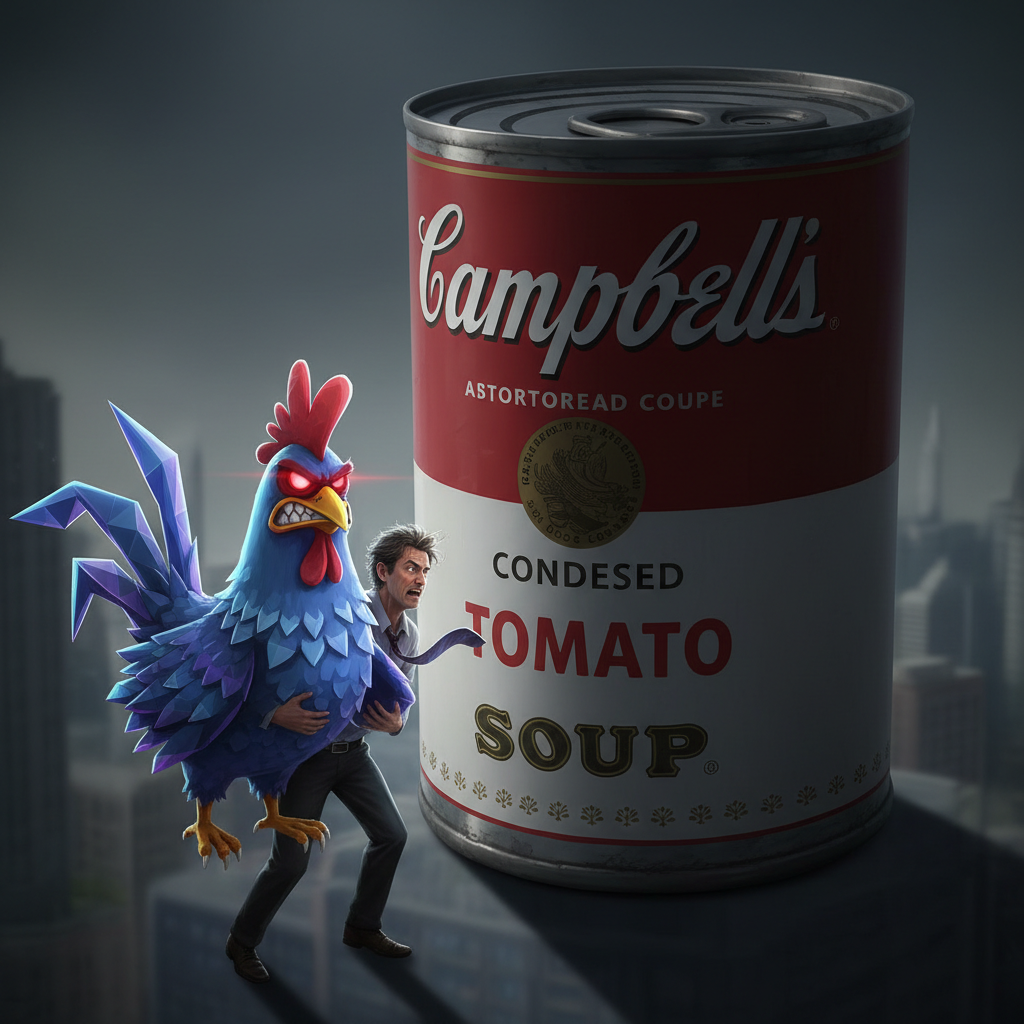
Okay, so imagine you’re the IT Vice President for a massive food corporation-a household name, you know, like Campbell’s. You’re probably thinking about data security, system upgrades, maybe some fancy new algorithms to optimize supply chains. Pretty standard stuff, right? Now, imagine getting fired because you allegedly joked about, or maybe even suggested, using “toxic 3D chicken” in their soups. Sounds like a plot line from some B-movie tech satire, but apparently, it really went down. And frankly, it’s wild.
This isn’t just about a bad joke-it’s about the optics, the company culture, and how quickly things can unravel in the corporate world when you step a little too far out of line. Especially when you’re talking about food that ends up in millions of homes. You just don’t mess with people’s dinner, you know? Not even hypothetically.
The Alleged “Toxic Chicken” Incident
So, the story-and it really is a story, with all the drama and intrigue-revolves around this IT VP, a guy named Michael “Gibbz” Gibbz, who apparently had a bit of a flair for the dramatic, or at least, a rather “colorful” way of expressing himself. The buzz-and it’s been quite a buzz online-is that during some sort of internal meeting or maybe a casual conversation, he joked about the company considering using “toxic 3D chicken” in its products. Now, let’s be real, the phrase itself is a triple threat of unsettling concepts: toxic, 3D, and chicken all together. It’s like a dystopian culinary nightmare.
Campbell’s, being the venerable institution it is-think soup cans, childhood memories, comforting warmth-didn’t exactly find the humor in it. In fact, they found it so unfunny that Gibbz’s tenure as IT VP came to a rather abrupt and public end. The company’s stance, from what we can gather from the whispers and reports, seems to be that while their soup isn’t toxic, this guy’s behavior, well, that apparently was. Or at least, perceived to be.
The Fine Line Between Humor and HR
Here’s where it gets interesting, and frankly, a little murky. Was it a genuine suggestion? Highly, highly doubtful, especially coming from an IT VP. More likely, it was an attempt at dark humor, a sarcasm-laced comment probably intended to poke fun at the latest tech hype or maybe even some company internal initiative. You know, like, “Oh, next thing you know, they’ll want us to 3D print our chicken, and it’ll be toxic!” Something like that.

But when you’re in a position of leadership, and especially when your company operates in an industry as sensitive to public perception as food, that line between a joke and a serious liability gets razor-thin. And the consequences, as Gibbz found out, can be pretty severe. It’s a classic case of words having unintended, and very expensive, consequences.
- The Comment: “Toxic 3D chicken” allegedly used in a professional context.
- The Context: A company known for its wholesome food products, highly susceptible to negative PR about ingredients.
- The Consequence: VP termination, immediate and likely very public.
Corporate Culture and Public Perception
This whole kerfuffle really shines a light on how delicate a balance corporations have to strike these days. On one hand, you want a vibrant, open corporate culture where people can express ideas and perhaps even a little irreverence. On the other, the scrutiny is intense, and anything that can be spun into a negative headline has to be avoided at all costs. Especially for a brand like Campbell’s, which relies so heavily on trust and tradition.
“Our soup’s not toxic but this chap’s behavior was” is the gist of the defense. It says it all, doesn’t it? The company is prioritizing its image and reassuring its consumers. And who can blame them, really?
The AI and Tech Angle-It’s Not Just About Jokes
Now, let’s zoom out a bit. Why “3D chicken” of all things? It hints at the broader anxieties swirling around technology, especially AI and advanced manufacturing, in the food industry. People are already wary of “lab-grown meat” and other high-tech food innovations. Introducing the idea of “toxic 3D chicken,” even playfully, can tap into those underlying fears and create an image problem that’s super hard to shake. It sounds like something out of a sci-fi novel gone wrong, you know?
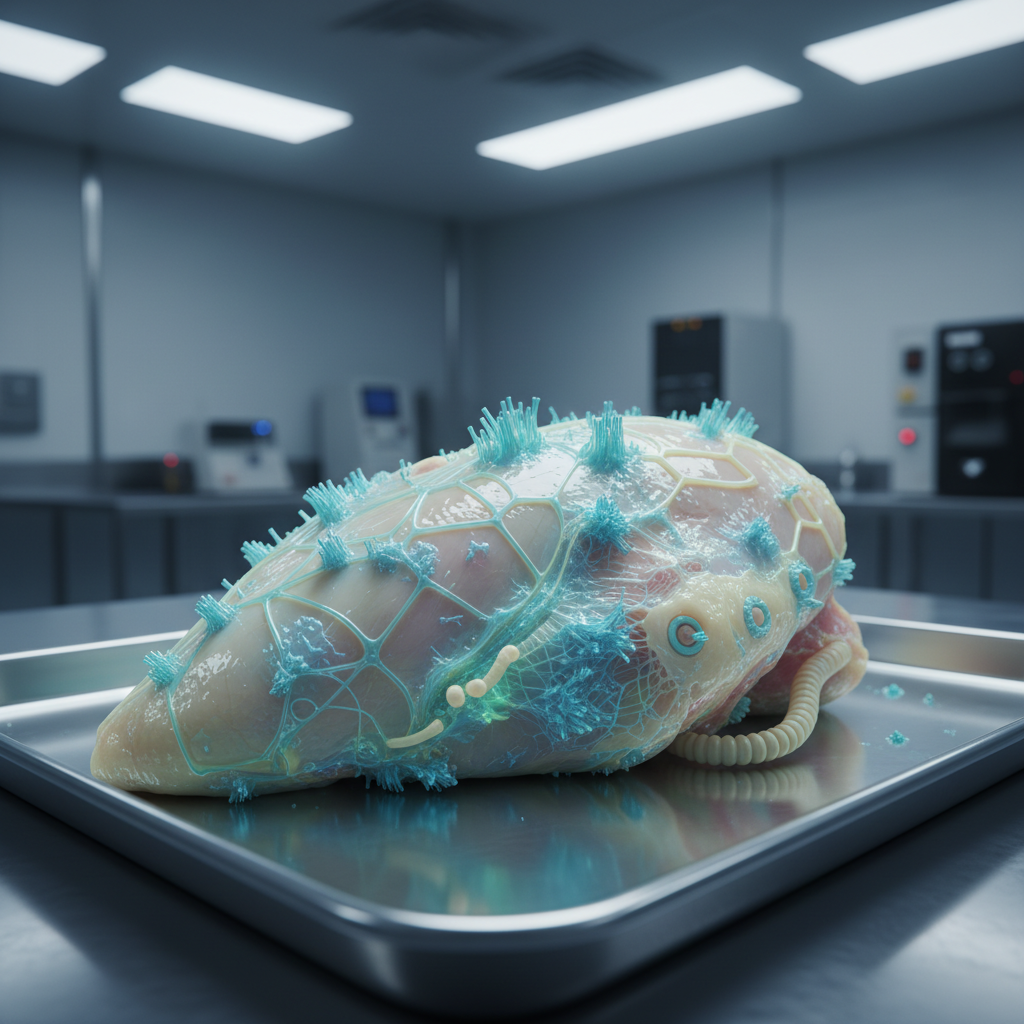
It’s interesting too that this comes from an IT VP. IT departments are at the forefront of digital transformation, often pushing for new technologies and efficiencies. Sometimes, perhaps, they get a little too comfortable with the bleeding edge, forgetting that not everyone-especially the general public or even other departments-is quite ready for that leap. Or, more simply, they forget that a lighthearted jab at an outlandish future could be completely misinterpreted.
Lessons Learned (or Re-Learned)
So, what’s the takeaway here? For professionals, especially those in leadership roles, it’s a stark reminder that discretion is paramount. Your words carry weight, and even a flippant remark can have serious ramifications, particularly in today’s hypersensitive corporate environment. Authenticity is great, but there are boundaries.
For companies like Campbell’s, it’s a testament to how fiercely they protect their brand image. Any hint of compromise on product safety or quality, even in jest, is a non-starter. They’ve got a legacy to uphold, and they’re not going to let a careless comment-however it was intended-muddle that message.
It’s a bizarre little footnote in the annals of corporate firings, one that really makes you stop and think about the power of language, corporate responsibility, and just how much the line for “acceptable workplace banter” has shifted. Maybe stick to talking about the weather, or your favorite sports team, when you’re on the clock. Because when “toxic 3D chicken” is on the table, it turns out nobody’s laughing. And sometimes, you just can’t put that genie back in the bottle-even if it’s a bottle of soup.