

Cameron vs. Netflix: Why Films MUST Hit Theaters!
Let’s just get straight to it-James Cameron, the guy who gave us Aliens, Titanic, and pretty much redefined big-screen spectacle with Avatar, has some thoughts on Netflix movies at the Oscars. And, honestly, who can blame him? When you spend decades pushing the boundaries of what a cinematic experience can be, it’s gotta sting a little to see a movie made for your living room-no matter how good-contending for the same hardware. He’s basically saying, “Hey, a movie made primarily for streaming really shouldn’t be competing with films designed to be seen on a massive screen, with an audience, in a proper theater.” And, you know, he’s got a point. A big one.
When I first heard his comments, a little bell went off in my head. Not because I’m some movie theater purist who refuses to watch anything on a smaller screen-heck, I love a good binge-watch as much as the next person. But because Cameron’s work, especially something like the upcoming Avatar: Fire and Ash, isn’t just a film; it’s an event. It’s built for that collective gasp, that shared wonder, that feeling of being completely enveloped by a story. Can you really replicate that on a 65-inch television, even a really nice one, with your dog snoring next to you?
The Great Divide: Theater vs. Couch
It almost feels like there’s this weird tension now, right? On one side, you have the epic, “go big or go home” approach to filmmaking-think IMAX, 3D, earth-shattering sound. On the other, the convenience, the endless scroll, the “watch it when you want” vibe of streaming. And while both have their place, they’re not always interchangeable. A film like Roma, for instance, which was a huge Oscar contender for Netflix a few years back, is beautiful, intimate, and profoundly moving. But it wasn’t made to blast your eardrums or make you feel like you’re flying through Pandora.
What’s Lost in Translation?
Think about it. A film like Gravity-that’s an experience. The silence, the vastness of space, the incredible tension. It’s meant to put you right there with Sandra Bullock. Would it still be powerful on a laptop? Probably. But would it be as powerful? I’d argue not. You lose that shared immersion.
- Point: The communal aspect of cinema is unique.
- Insight: It’s not just about the screen size; it’s about the collective energy of an audience reacting together. That shared laugh, that jump scare-it’s intangible.
And that’s where Cameron’s argument really hits home for me. He crafts movies that demand your full attention, not just your casual gaze while you’re scrolling on your phone. He’s meticulously building worlds, pushing technology to its limits, all so that we, the audience, can be transported. That transport usually starts, and often ends, in a darkened theater with stadium seating and an absurdly large screen.

You know, there’s also the whole production angle. Filmmakers, especially those aiming for something truly epic, rely on that theatrical release. It’s not just for the money, though that’s obviously a huge part of it, especially for these mega-budget productions. It’s also for the legitimacy, the cultural moment it creates. A theatrical release says, “This is important. This is an event.”
“Cameron’s work is inextricably tied to the theatrical experience, as he is known for massive blockbusters and astounding visual feats, including Aliens, Titanic, and the Avatar movies.”
The Academy’s Dilemma: What Defines “A Film”?
This brings us to the thorny issue of the Academy Awards. Traditionally, the Oscars have celebrated films made for the big screen. It’s literally in their DNA. So, when Netflix started dropping millions-sometimes hundreds of millions-of dollars on films that get a token one-week theatrical run just to qualify for awards, it feels a little… disingenuous, doesn’t it?
Rules of Engagement (and Eligibility)
It’s not about the quality of the films, necessarily. Netflix has produced some genuinely amazing movies. The Irishman, for example, is a masterpiece. But it arguably became a masterpiece in spite of its streaming-first release, not because of it. Would a Scorsese epic truly shine best on a tablet during your commute? Probably not.
- Point: The current rules allow a minimal theatrical release to qualify.
- Insight: This feels like a loophole that dilutes the very concept of a “theatrical film” being honored. It’s almost like trying to qualify a short story for a Nobel Prize in literature which was specifically designed for novels. Different mediums, different intentions.
Now, you might think, “Well, don’t be a snob! Art is art, no matter how you consume it!” And yes, absolutely. Art is art. But the medium profoundly shapes the experience. A painting by Van Gogh is still a painting if you see it online, but the impact of standing in front of Starry Night at MoMA is something else entirely, practically spiritual. Same principle applies, I think, to cinema. The intent, the canvas, the method of presentation-it all matters.
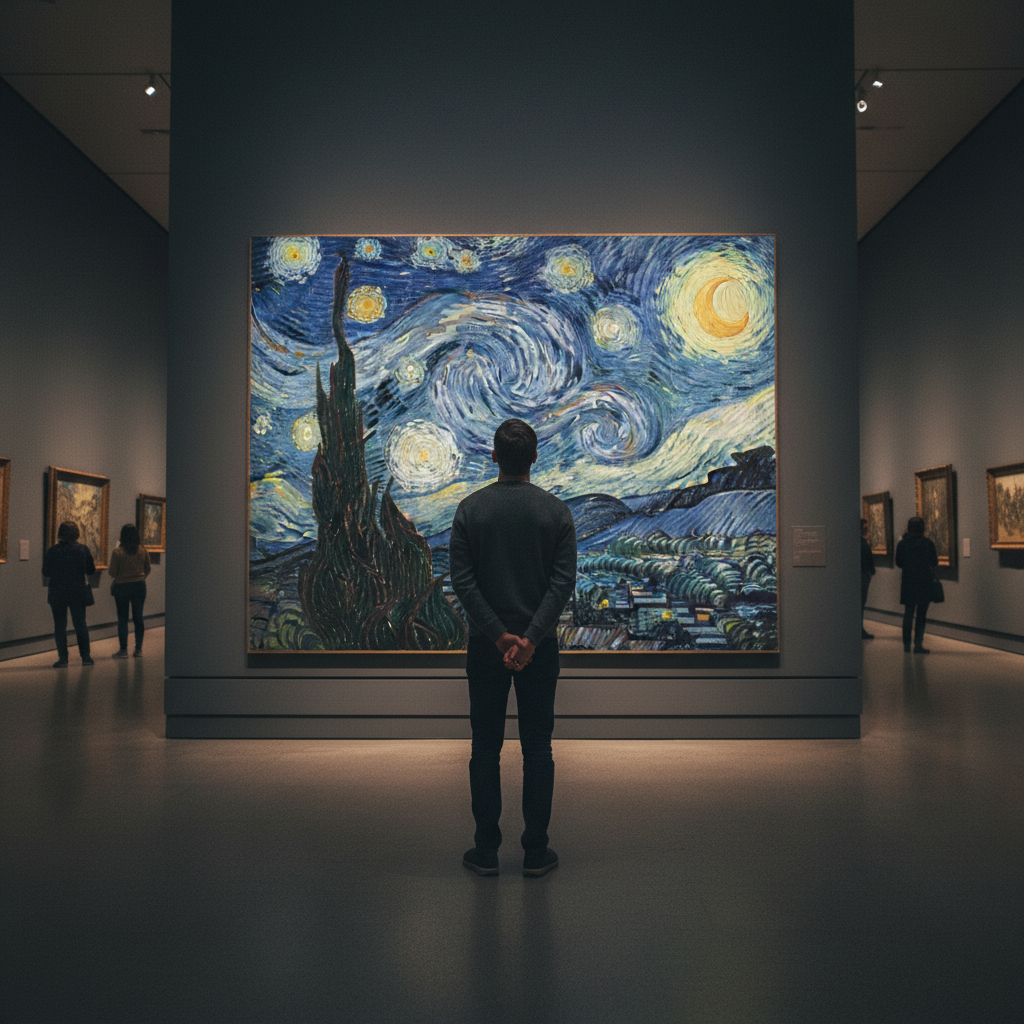
Plus, let’s be real, the theater experience is a pilgrimage for many of us. Getting tickets, planning the night out-it elevates the act of watching. It makes it an occasion. And Cameron’s movies, perhaps more than almost anyone else’s, are made for occasions. They’re built for that anticipation, that grand reveal on the biggest screen possible.
The Future of Film: A Hybrid or a Head-on Collision?
So, what’s the solution? Is it a separate Oscar category for streaming films? Or stricter eligibility rules that demand a more substantial theatrical run? Cameron isn’t alone in this sentiment; many directors echo his concerns, fearing that the allure of streaming will slowly erode the very reason they got into filmmaking in the first place-to tell stories on a grand scale, for a grand audience.
I actually believe there’s room for both. Netflix and other streamers have enabled incredible stories to be told that might never have found a home elsewhere. They’ve also been a lifeline for filmmakers during tough times. But those films, as wonderful as they may be, often have a different DNA than a theatrical blockbuster. They’re designed for different viewing habits, and their impact is often measured differently.
Maybe it’s about acknowledging those differences. The magic of a Cameron film, the sheer spectacle of it all, that’s what makes the theatrical experience vital. It’s not just watching a movie; it’s stepping into a world. And frankly, some worlds are just too big for your living room. So, yeah, maybe James Cameron is onto something. Maybe the Academy needs to really think about what “Best Picture” truly means in a landscape that’s changing faster than a Na’vi on a banshee. What do you think? Should a film truly made for your TV be considered on the same playing field as one built for the biggest screen imaginable? It’s a question worth pondering, don’t you think?