

You ever hear a story and just think, “No way. That’s unbelievable. It can’t be true”? Well, let me tell you about Kris Boyd. This guy, a professional athlete, a New York Jet, gets shot. Shot in New York City, mind you. And that alone is a horrifying thought, isn’t it? But here’s the part that truly just grabs you by the collar and shakes you: the bullet, it lodged in his lung. Not just a graze, not a flesh wound-type situation. We’re talking inside his lung. And despite all odds, the man is not only alive, but he’s been in and out of the hospital, fighting to recover. It just beggars belief, doesn’t it?
I mean, think about that for a second. We’ve all seen movies, right? A bullet to the lung? That’s usually a pretty definitive, tragic end for a character. Not for Kris Boyd. His very survival is, frankly, a pretty stunning testament to modern medicine, inner strength, or maybe just pure, unadulterated luck. Probably a combination of all three. But the fact that he’s still here, still fighting, after something so incredibly severe-it’s a story you just have to lean into.
The Fateful Night and the Immediate Aftermath
So, we’re talking about November 16th, New York City. The details around the shooting itself are still kind of murky, as these things often are when they first break. But what we do know is that Kris Boyd-a guy who spends his professional life hitting people, tackling, being incredibly physically robust-suddenly found himself on the receiving end of something far more devastating than any opponent on the field. He was shot. In the lung.
It’s not just a physical injury, is it? You can imagine the immediate chaos. The fear. The incredible pain. And then, the rush to the hospital, the emergency teams, the frantic attempts to save a life that’s suddenly hanging by a thread. This isn’t a sprained ankle or a concussion that keeps an athlete off the field for a few weeks. This is a life-altering, near-fatal event. And Boyd has, reportedly, undergone multiple surgeries since that night. Multiple. That tells you a lot about the severity of what he’s been through.
The Lung: A Vulnerable Target
Now, you might think, “Well, a bullet anywhere is bad, right?” And yes, absolutely. But the lung? That’s a whole different ballgame. Our lungs are pretty essential, obviously. They’re these soft, spongy organs, protected by the rib cage, responsible for the whole breathing thing-you know, keeping us alive. A bullet striking a lung can cause a pneumothorax, where air leaks into the space between the lung and chest wall, collapsing the lung. Or a hemothorax, if blood fills that space. It can lead to massive internal bleeding, infections, pneumonia, and basically a whole host of life-threatening complications. It’s a miracle, really, that he survived the initial trauma.
- Initial Survival: The fact he even made it to the hospital and through the first surgeries is a testament to quick response times and skilled medical teams.
- Ongoing Battle: Multiple surgeries indicate a complex, protracted fight for recovery, not a quick fix.
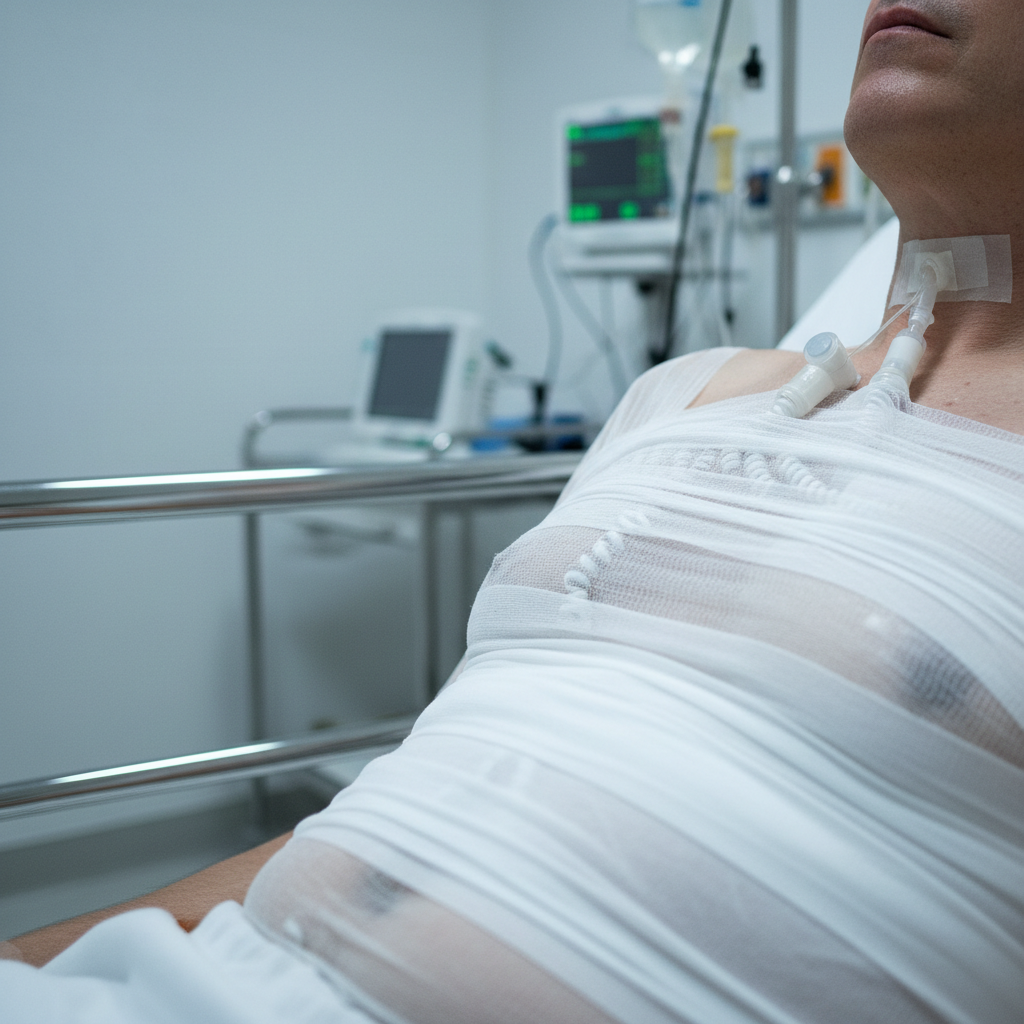
The Long Road to Recovery and the Mental Toll
You see headlines sometimes, “Athlete injured in incident.” And you might just skim past it. But this isn’t just an “incident.” This is a battle for survival. And it’s not over once the acute danger passes. Being back in the hospital, as Boyd reportedly is, means the fight continues. Recovery from a gunshot wound, especially one to such a vital organ, is no picnic. It’s not just about the physical healing; it’s about the mental and emotional toll too. You’re talking about a guy, an athlete at the peak of physical condition, who’s now dealing with something that would irrevocably alter anyone’s life.
“The body has an incredible capacity to heal, but the mind often carries wounds that take much longer to mend.”
Imagine, for a second, what that must be like. One moment, you’re living the dream, playing professional football. The next, you’re fighting for your life, with a piece of metal lodged inside your breathing apparatus. It’s not just about getting the bullet out, or getting the lung to heal. It’s about recovering from the shock, the trauma, the violation. It changes you. It has to.
The Unpredictable Nature of Internal Injuries
Here’s where it gets interesting-and terrifying, honestly. A bullet isn’t a neat, clean thing, even if it feels quick. It rattles around, fragments sometimes, and can damage surrounding tissues and blood vessels. Even if the immediate threat is dealt with, the long-term complications from a lung injury can be pretty severe. Scar tissue can affect lung function. Infections are a constant worry. And with a foreign object like a bullet fragment still inside, even if it’s considered “safe” to leave it, there’s always that uncertainty. It’s a constant shadow, isn’t it?
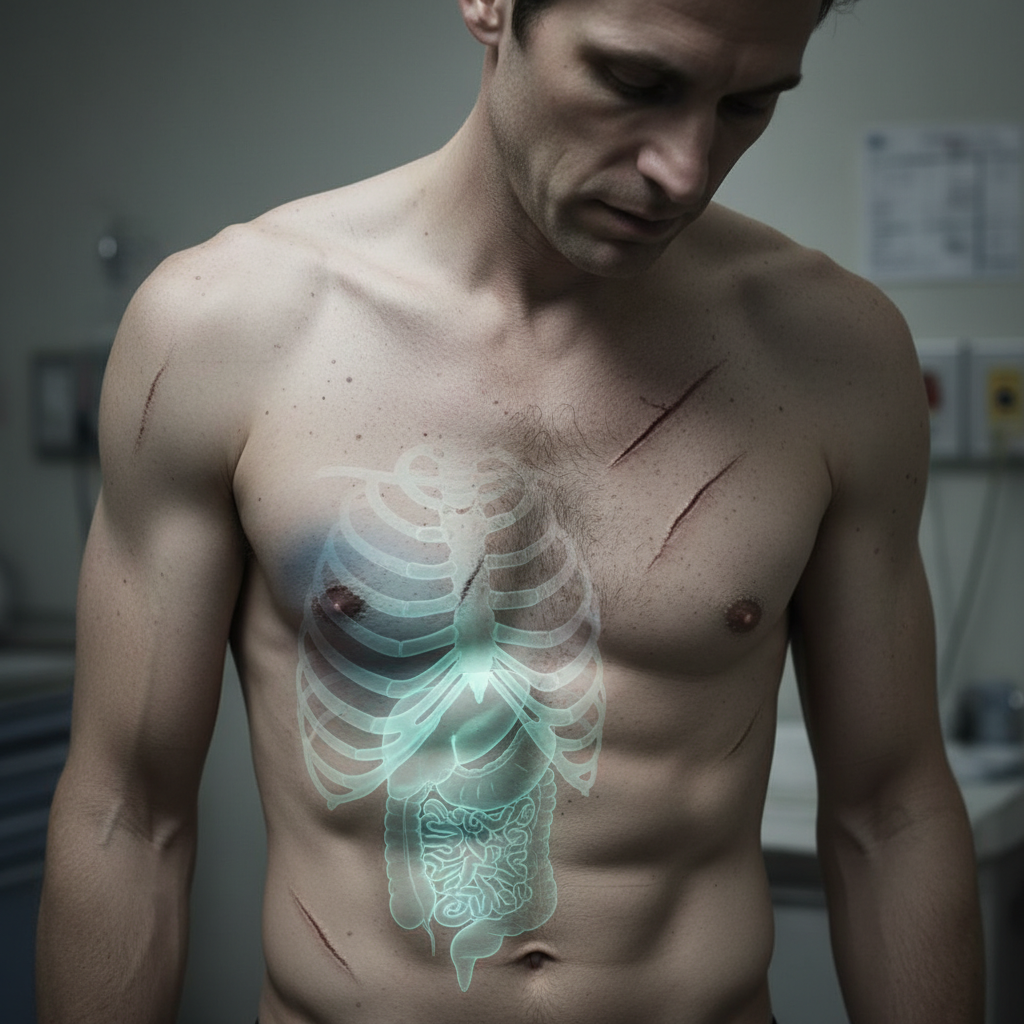
It’s why someone like Boyd can be released, only to find himself back in the hospital. The body has a way of reminding you that it’s still hurting, still working through something enormous. It’s not a linear recovery. There are good days, bad days, setbacks. And for an athlete whose entire career hinges on his physical prowess, this kind of injury is just… immense. It casts a huge question mark over his future in the sport, which, while secondary to his life, is still a massive part of his identity. That’s a lot to process.
Looking Ahead: A Glimmer of Hope?
So, what now for Kris Boyd? The immediate future is pretty clear: more recovery, more healing, more fighting. It’s going to be a long, arduous journey. And honestly, it would be a disservice to minimize that by saying something trite like “he’ll be back stronger than ever.” Maybe he will be, maybe he won’t be in the same way he was before. But the fact that he’s still here, still fighting, after a bullet to the lung? That’s the real story.
It’s a reminder, too, of the fragility of life, even for those who seem invincible on the field. And it’s a testament to the sheer resilience of the human spirit. Kris Boyd’s story isn’t just about a football player getting shot; it’s about a human being facing down death and fighting their way back. It highlights the incredible advancements in critical care, sure, but also the indomitable will to live. We’re all rooting for him, aren’t we? It’s hard not to be captivated by a fight like that.