
Brazil’s Dark Secret: Thrills, Genre Bends
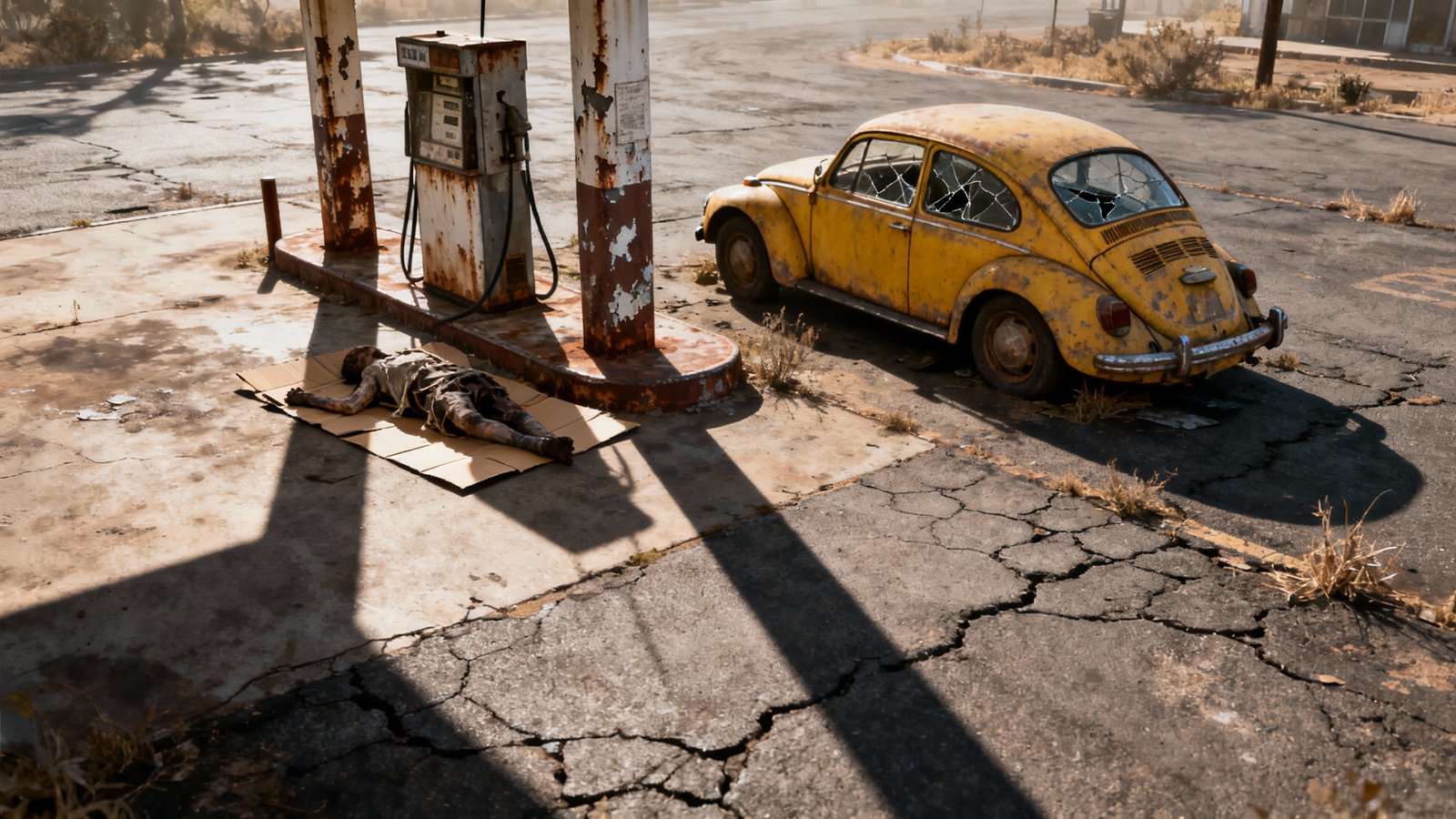
You pull into a gas station. Middle of nowhere, really. Sun’s beating down, the kind of heat that makes the air shimmer. You’re just thinking about getting some gas, maybe a lukewarm soda, when you see it. Not what you expect, not ever. A body. Just… there. Covered with some beat-up cardboard. That’s the setup, the chilling, almost unbelievable opening to what sounds like Marcelo’s journey in a new film, where he apparently stumbles onto a week-old, decomposing mystery in rural Brazil. A parking attendant’s been shooing away stray dogs, for crying out loud, just waiting for the police. For a week. Let that sink in. A week.
This isn’t your average “guy finds body, calls cops” scenario, is it? It screams something more, something darker, something tangled in the kind of bureaucratic inertia and stark reality that only certain places-and certain stories-can truly capture. It’s grimy, it’s visceral, and frankly, it’s just so Brazilian in a way that feels utterly authentic, you know? Like, it’s not trying to be flashy; it’s just… life, or rather, death, unfolding in a very unglamorous, unnerving way.
The Slow Burn of Absurdity and Dread
Here’s where it gets interesting, beyond just the shock value of a rotting corpse. That detail-the attendant shooing dogs, the week-long wait for authorities-it paints a picture, doesn’t it? It’s not just a plot point; it’s practically a character in itself, setting a tone of almost grotesque absurdity combined with deep-seated dread. We’re talking about a level of neglect that’s frankly horrifying, but probably not entirely unfamiliar to anyone who’s ever dealt with systemic issues in remote areas.
When the Mundane Becomes Macabre
It’s the juxtaposition, I think, that really nails you. A routine stop for gas, the symbol of everyday life and movement, suddenly interrupted by something so irrevocably final and disturbing. It kind of forces you to confront the idea that the mundane can be breached by the macabre at any moment, anywhere. And in this case, it’s not just a quick interruption, it’s a week-long, festering public secret that everyone seems to be just… living with.
- Point: The gas station as a setting isn’t just convenient; it’s symbolic of passage, of life moving on, even as death lingers.
- Insight: This instantly tells us we’re not in a typical crime procedural. The stakes aren’t just about solving a murder; they’re about something bigger-the fabric of society, perhaps even a cultural indifference.

Now, you might think, “Why hasn’t someone done something more?” And that’s exactly the point, isn’t it? The inaction, the waiting, the sheer inertia of the situation-it’s profoundly unsettling. It suggests a world where a life, or its absence, can become almost invisible, like just another piece of trash, despite its undeniable horror. That’s a powerful statement, and it happens without a single word of elegant dialogue; it’s all in the setup.
“The banality of horror is often its most terrifying aspect. When neglect becomes the norm, true terror isn’t far behind.”
Genre Bending and Brazilian Reality Checks
This opening scene-setting reminds me of how Brazilian cinema often manages to blend genres beautifully-or perhaps, uncomfortably. It’s rarely just one thing. A thriller can have huge comedic undertones, a drama can quickly pivot to something starkly social or political. This description, this gas station body, already feels like it’s pushing those boundaries. Is it a straight-up thriller? A social commentary disguised as a mystery? Maybe a bit of both, which is often where the most compelling stories live.
When Society Turns a Blind Eye
The fact that a dead body can lie for a week-a whole week!-with only a parking attendant trying to maintain some semblance of dignity or order (by shooing dogs away, mind you), says volumes. It speaks to a kind of systemic breakdown, a lack of resources, or perhaps a societal numbness that allows such grim situations to persist. It’s not just about a crime; it’s about the indifference that can settle in, especially in corners of the world where life can sometimes feel, well, cheap. This scenario cuts deep into that reality, doesn’t it?
- Point: The inaction of the police for a week isn’t just a plot device; it’s a stark commentary on rural infrastructure and public services.
- Insight: This suggests the film won’t just be about finding the killer but might explore societal decay and individual morality in the face of widespread apathy. It’s a bigger bite than just a whodunit.
And Marcelo, played by Wagner Moura-you know, Pablo Escobar from Narcos-that’s a casting choice that already tells you it’s going to be intense. He’s got that gravitas, that ability to carry psychological weight. He’s not just a guy filling up his Beetle; he’s probably gonna get entangled in something way over his head, something that’s been simmering below the surface of that quiet, rural Brazilian landscape for a long, long time. This is the kind of setup that promises a ride, not just a movie, if you know what I mean. A slow-drip, unsettling ride.
What Lies Beneath the Cardboard?
So, what does this tell us about the kind of film we might be getting? It seems to be setting up a narrative that goes beyond simple crime and punishment. It’s forcing us to look at the cracks in the system, at the silent agreements people make, even with themselves, to ignore the unignorable. The image of those eager stray dogs-it’s grotesque, sure, but it also grounds the story in a raw, animalistic reality that’s just so much more chilling than a perfectly sanitized crime scene.
This film, whatever it turns out to be exactly-a thriller, a drama, a pitch-black comedy of errors-is clearly not going to pull any punches. It’s going to use that discomfort, that almost visceral revulsion, to dig deeper. And honestly, isn’t that what the best stories do? They don’t just entertain; they poke at you, they make you think about things you’d rather not, things lurking just beneath the surface, even in the most unsuspecting places, like a gas station on a hot afternoon in Brazil.