





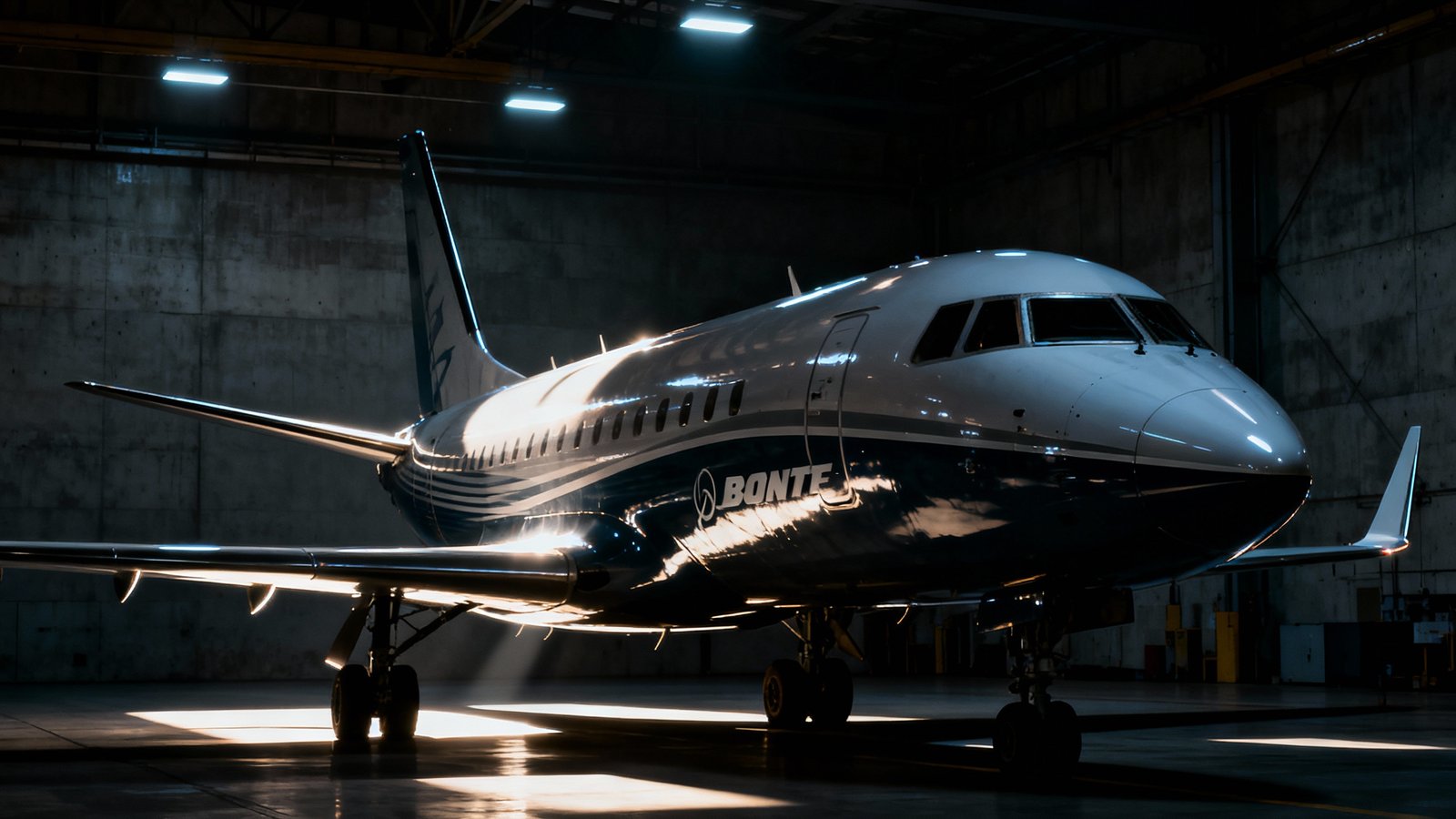
So, get this – Boeing, yeah, that Boeing, just snagged another cool $2.47 billion from the U.S. Air Force. Not chump change, right? This isn’t for some shiny new fighter jet or a super-secret stealth bomber. Nope. This massive chunk of change is for fifteen more KC-46A Pegasus tankers. You know, those flying gas stations that keep our military aircraft fueled up mid-air. It’s a huge deal, and honestly, it keeps Boeing’s defense side of the house pretty darn busy and profitable, especially as the commercial aviation market tries to find its wings again.
Now, you might think, “Another tanker deal? What’s the big fuss?” Well, it’s not just about the money, though that’s obviously a hefty sum. It’s about consistency, about stability for a company that’s had more than its fair share of turbulence lately. Plus, every time they snag one of these deals, it reinforces their position as a key player in global defense. It’s a message, really, to everyone else in the aerospace game: Boeing is still the one for these crucial defense contracts. And let’s be real, who doesn’t love the idea of a flying gas station? I mean, think of the possibilities. Emergency road service, but for planes.
The tanker Tussle – A Long and Winding Road
This whole KC-46A program, it’s been a saga. Started way back, gosh, seems like ages ago, as a replacement for the ancient KC-135 Stratotanker fleet, some of which are older than my dad. Seriously. The Air Force wanted something new, something modern, and something reliable. Boeing basically converted its commercial 767 jetliner, did a bunch of military magic to it- you know, add the boom, the fuel tanks, all the secure comms stuff- and voilà, the Pegasus was born. But getting it to fly perfectly and meet all the military’s stringent requirements? That was another story entirely.
From Headaches to Homecoming
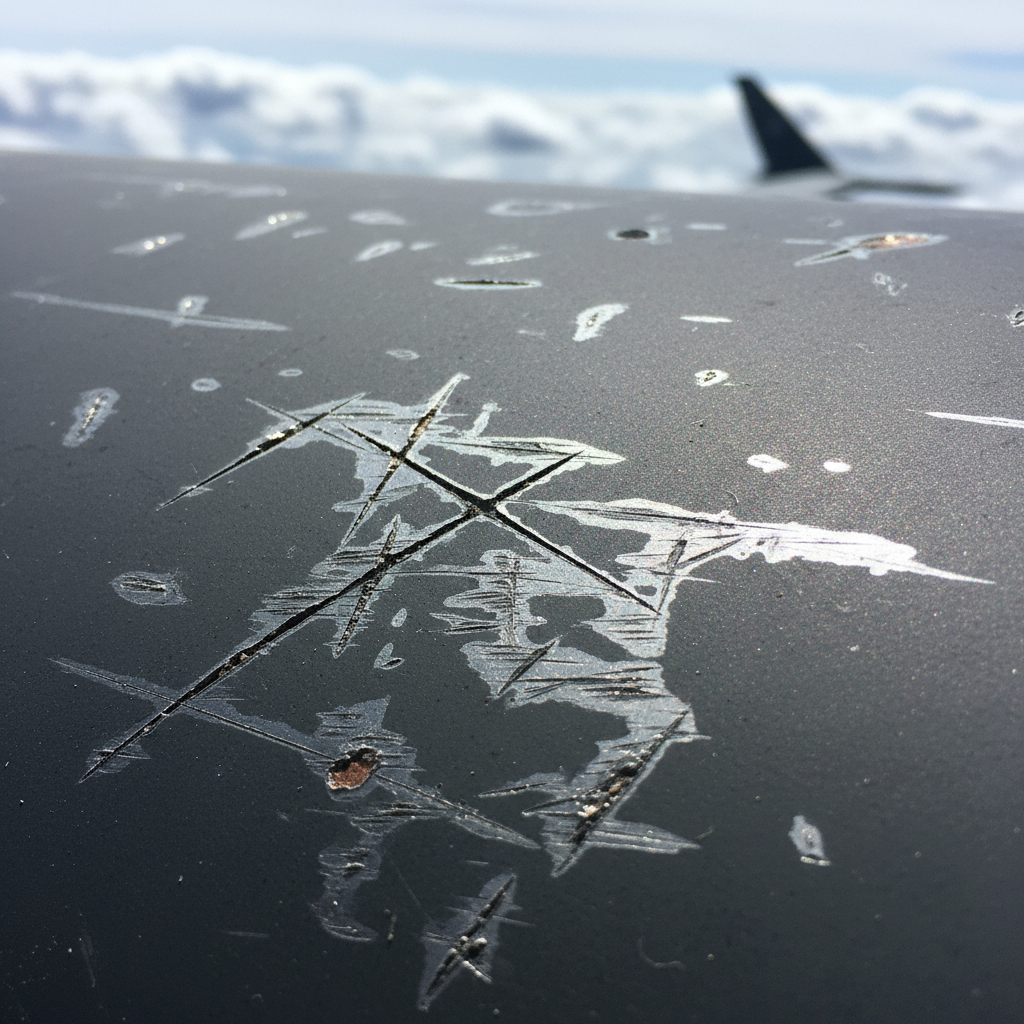
The early days of the KC-46A were, to put it mildly, a bit of a nightmare. I remember hearing about all the glitches. Issues with the remote vision system- the RVS, as they call it- which is how the boom operator sees what they’re doing when refueling. Imagine trying to thread a needle in the sky, at night, with a blurry camera view. Not ideal, right? Then there were problems with the refueling boom itself, where it could scratch stealth coatings on receiver aircraft. Big no-no if you’re trying to stay undetectable. Boeing ate a lot of costs fixing those things, billions in fact, largely because it was a fixed-price contract. A real gut punch to their balance sheets for a while.
- Point: This new contract brings the total number of KC-46A aircraft ordered by the Air Force to 128. That’s a significant portion of their planned fleet.
- Insight: It tells us that despite the initial bumps, the Air Force clearly has faith in the platform now. They’re investing heavily in it.
“The KC-46A represents a crucial, modernizing step for our aerial refueling capabilities, ensuring our operators can extend global reach effectively and safely.” – Air Force spokesperson (paraphrased, because, you know, they’re precise)
But here’s the thing- they stuck with it. Boeing, the Air Force, they kept iterating, kept fixing. And now, it seems like the wrinkles are mostly ironed out. The RVS is getting upgrades- a big, big deal for operational crews. The kinks in the boom have been mostly sorted. And these new orders? They’re basically a stamp of approval. It’s like buying a car that had a rocky start, but after a few recalls and updates, it’s finally reliable. You’re still going to buy it if it fits your needs, because it’s been proven, right?
The Strategic Importance – More Than Just Fuel
Okay, let’s zoom out a bit. Why are these tankers so important? It’s not just about giving a thirsty F-35 a drink. They are enablers. Without tankers, our fighters, bombers, and surveillance planes would have drastically reduced range. We couldn’t project power across oceans without these lifelines. They’re critical for everything from humanitarian missions to strategic deterrence.
Future-Proofing the Fleet
Think about it. We’re in a world where distances matter, and adversaries are always looking for ways to limit our reach. Having a robust, modern tanker fleet means we can operate further, stay on station longer, and respond quicker. This isn’t just about refueling; it’s about network connectivity in the sky, about secure communications, about carrying cargo when needed. The KC-46A is a multi-role aircraft, not just a simple tanker. It has a lot of fancy tech under the hood that makes it more than just a gas station with wings.
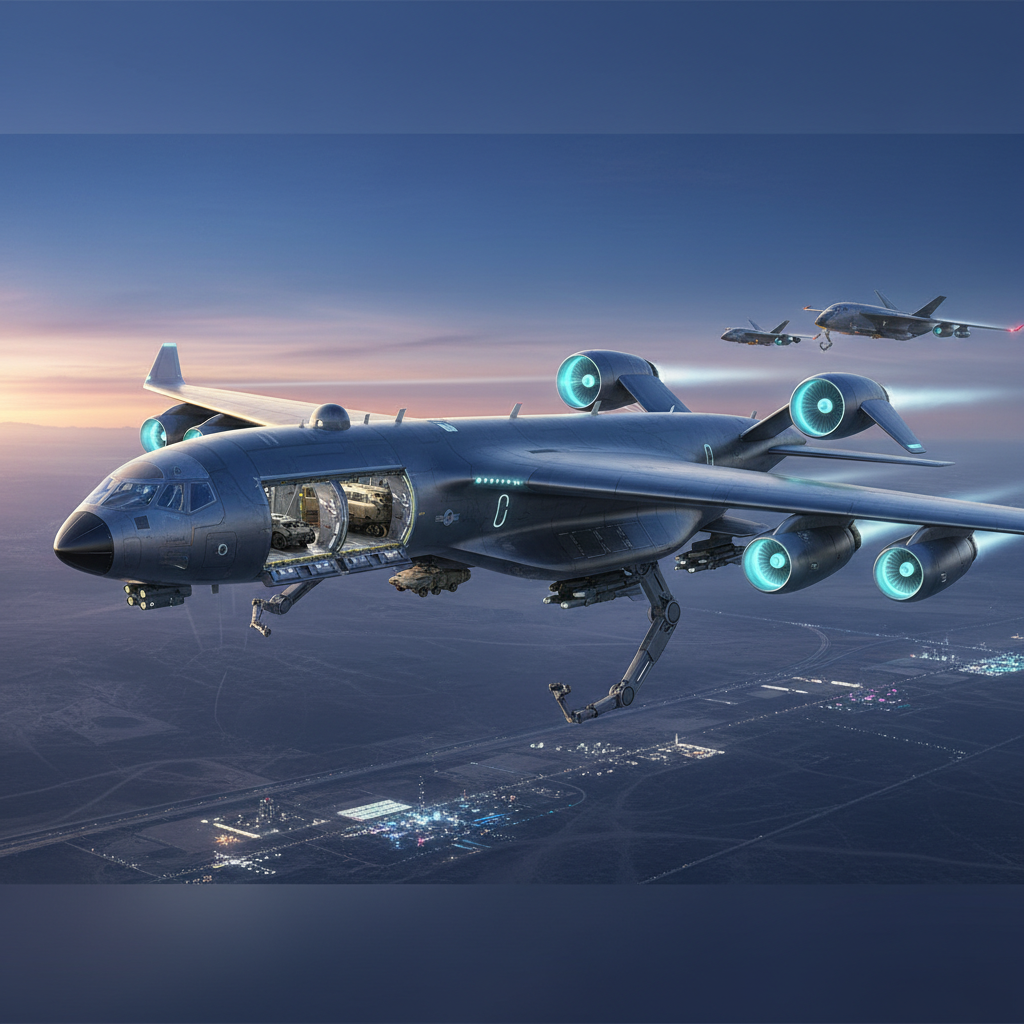
- Point: The KC-46A also has self-protection capabilities, cargo capacity, and medical evacuation provision, unlike its predecessors.
- Insight: This versatility means the Air Force gets more bang for its very large bucks, making it a truly strategic asset in modern warfare and global logistics. It’s basically a Swiss Army knife in the sky.
And let’s not forget the global aspect. Other countries, like Japan and Israel, have also ordered KC-46As. This isn’t just an American thing; it’s becoming a standard, a NATO-compatible force multiplier. When allies use the same equipment, it simplifies joint operations, makes training easier, and basically tightens the strategic knot. It’s a smart play by Boeing and the Air Force, honestly, building that commonality.
What This Means for Boeing – And Us
For Boeing, this order is a big win, obviously. It secures jobs, keeps their production lines humming in Everett, Washington, and really solidifies their financial footing in the defense sector. Especially when you consider the ups and downs of their commercial aircraft division right now- this kind of steady, reliable revenue stream is probably a godsend. It’s a reminder that while the headlines often focus on commercial aviation, their defense arm is a powerhouse in its own right.
For us, well, it means our Air Force is getting the equipment it needs to do its job. It’s about national security, about maintaining a strong defense posture in a pretty uncertain world. It’s reassuring, in a way, to see these investments happening in crucial infrastructure. It’s not particularly flashy, these tankers, you know? They don’t typically make the evening news unless something goes wrong. But they are the unsung heroes of aerial operations, quietly making sure everything else can fly farther, faster, and for longer.
So, the next time you hear about Boeing, remember it’s not just commercial jets. It’s also these essential, albeit less glamorous, workhorses of the sky. And a $2.47 billion contract isn’t just numbers on a page- it’s a testament to the crucial role these aircraft play, and the enduring strength of a company that, despite its challenges, keeps building some of the most complex machines on the planet. It makes you wonder, what’s next for these flying fill-up stations? Automated refueling? Drone tankers? The future’s always interesting, isn’t it?


