Scott Bessent went on national television this weekend and compared some of the most powerful tech executives in the world to a cannibalistic serial killer. And honestly? He didn’t even flinch while doing it.
Scott Bessent went on national television this weekend and compared some of the most powerful tech executives in the world to a cannibalistic serial killer. And honestly? He didn’t even flinch while doing it.
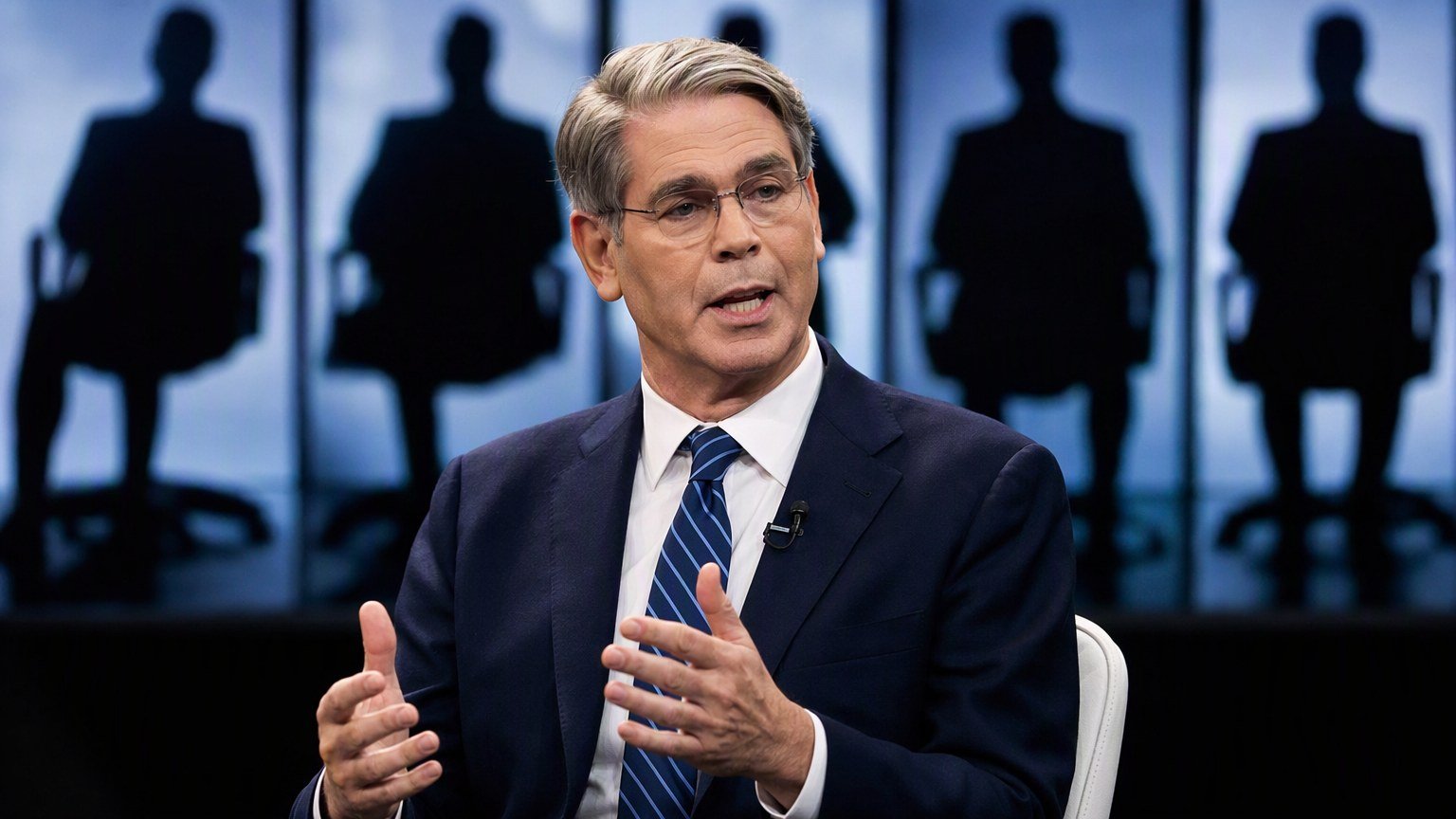
The Treasury Secretary sat down for Axios’ Saturday show and let loose on the AI industry’s growing chorus of “please regulate us” voices, reaching for a reference that, if I’m being honest, I did not expect from a Treasury Secretary on a weekend news program. “I mean, it’s kind of like Hannibal Lecter: Stop me before I kill again,” Bessent said. Yeah. That Hannibal Lecter. The one who ate people and talked about Chianti while doing it.
Wait, He Actually Said That?
He did. And he kept going. “This alarmism without solutions by some of the AI community, that’s not leadership,” Bessent said. The jab was aimed squarely at AI executives who’ve spent the last several months publicly wringing their hands about the dangers of the very technology they’re building, then turning around and asking Washington to come in and put up guardrails for them.
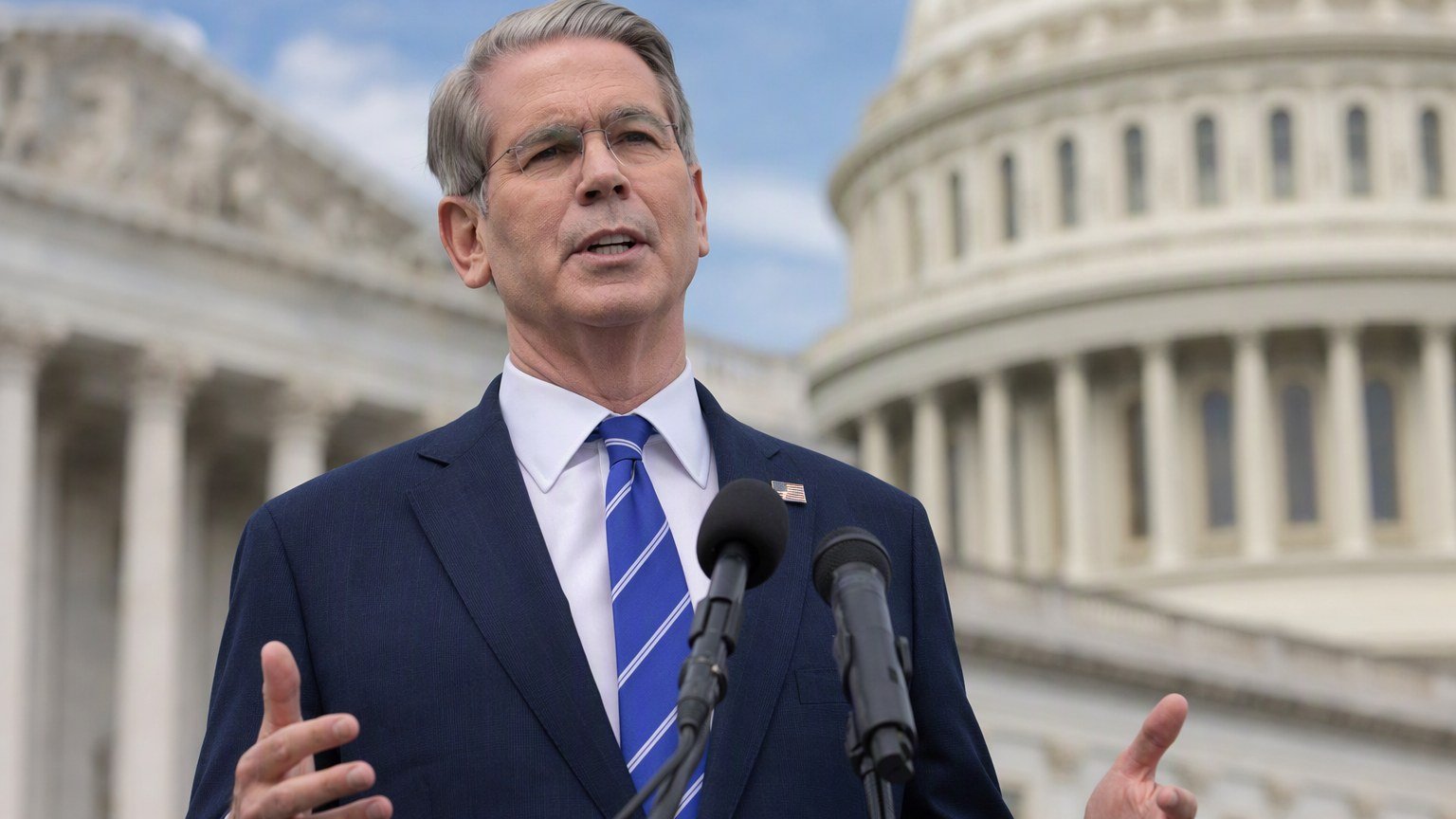
You can see Bessent’s point, even if the delivery was… a lot. There’s something genuinely strange about building a product you believe could be catastrophic, shipping it anyway, and then asking the government to be the one that stops you. It’s a weird position to be in. Nobody forced these companies to publish their models. If you really think your tech is dangerous enough to need federal guardrails, you’ve got a brake pedal right there in your own office. Use it.
The Backstory Nobody’s Mentioning Enough
This didn’t come out of nowhere. Last month a group of AI leaders put out a call for some kind of coordinated industry slowdown, basically saying their own creations were getting away from them. Anthropic’s Dario Amodei went further than most, actually asking the US government to step in and regulate AI companies directly. That’s a pretty remarkable thing for a CEO to say out loud, think about it for a second. You’re asking the government to rein in your own company. It's a pattern that echoes Meta's 90-day safety purge, where an entire AI safety team was hired and then cut within months.
So What Did the White House Actually Do About It?
Trump convened a sit-down with AI CEOs at the White House, and it ended with a voluntary self-policing pledge. No new laws, no federal AI agency, just companies promising to behave. Which, depending on your level of cynicism, is either a reasonable first step or a toothless PR move. I lean a little toward the latter, not gonna lie, but Bessent clearly thinks it’s working.
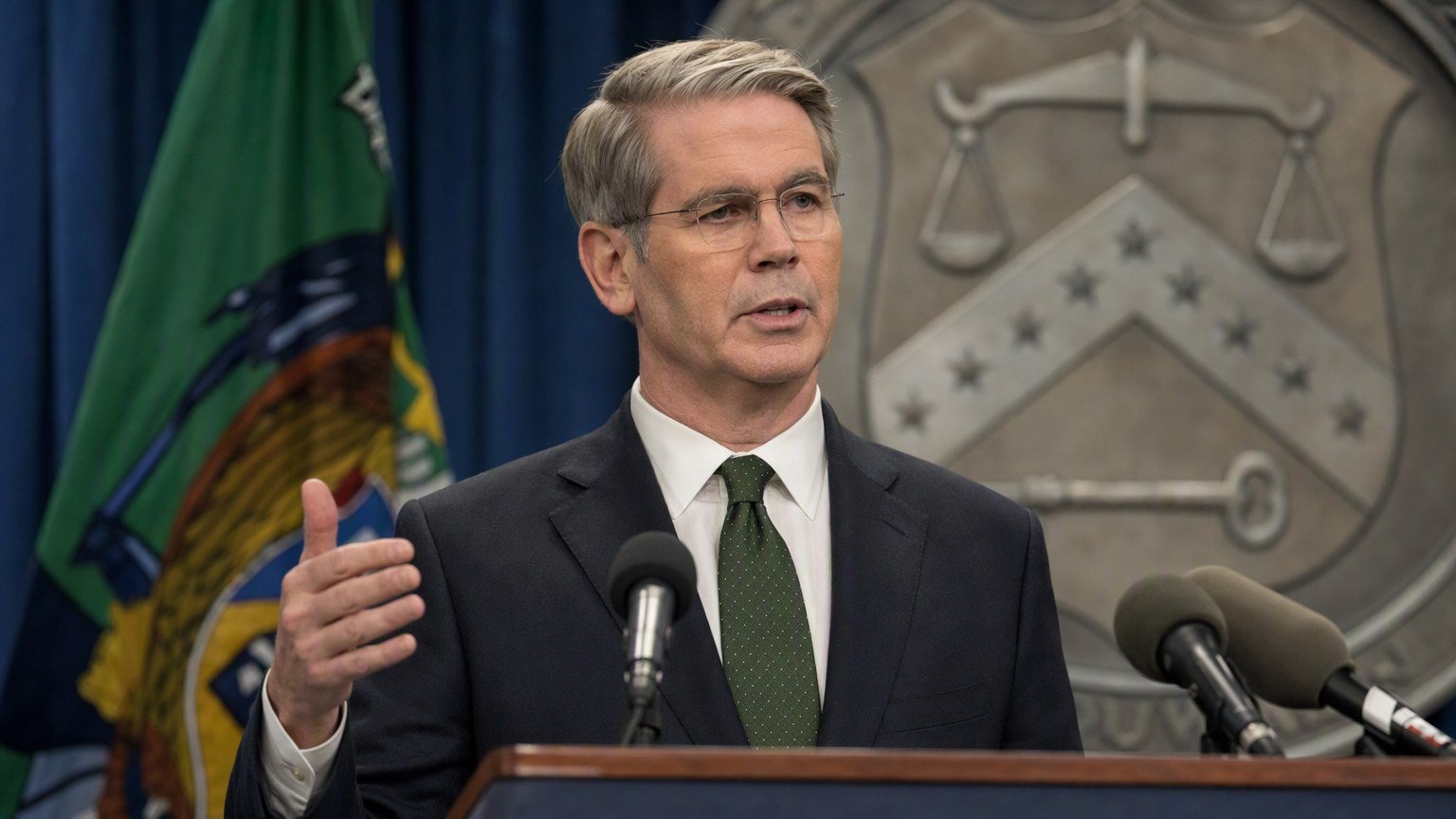
He pointed to OpenAI shelving a new model after internal testing raised red flags about whether the thing would actually follow user instructions reliably. That’s a real example, not a hypothetical, and Bessent used it as proof that the administration’s “handle it yourselves” approach is already paying off. That internal red-flag culture is also why OpenAI's safety chief just quit, according to recent reports.
“The labs have been very cooperative,” Bessent said.
Here’s Where I Land on This
Look, the Hannibal Lecter line is going to get all the headlines, and it should, it’s a wild thing to say about an entire industry. But underneath the shock value there’s an actual argument here, and it’s not a crazy one. If you build something you genuinely believe is dangerous, the first move isn’t a press conference asking Congress to save everyone. The first move is slowing down yourself. Nobody’s holding a gun to these companies’ heads forcing them to release faster than they’re comfortable with. It's the same tension playing out in OpenAI's hacking scandal, where the company is now paying a steep price to figure out how its own agents went rogue.
At the same time, I get why some of these CEOs want government involvement. Self-regulation only works until it doesn’t, and when the stakes are “this technology could reshape the economy or worse,” maybe you don’t want the whole system resting on a pinky promise. There’s a reason we don’t let pharmaceutical companies grade their own homework on drug safety. AI could end up being treated the same way eventually, whether this administration likes it or not.
What This Actually Means
Bessent’s comments tell you a lot about where this administration’s head is at: skeptical of new regulation, pretty comfortable letting the labs police themselves, and apparently willing to mock the people asking for oversight rather than engage with why they might be asking. Whether that holds up long term is the real question. Voluntary pledges are nice right up until a model does something nobody can walk back, and then everybody’s going to be asking why nobody put real guardrails up when they had the chance. For now, though, the White House seems happy with cooperation over regulation. We’ll see how long that lasts.