
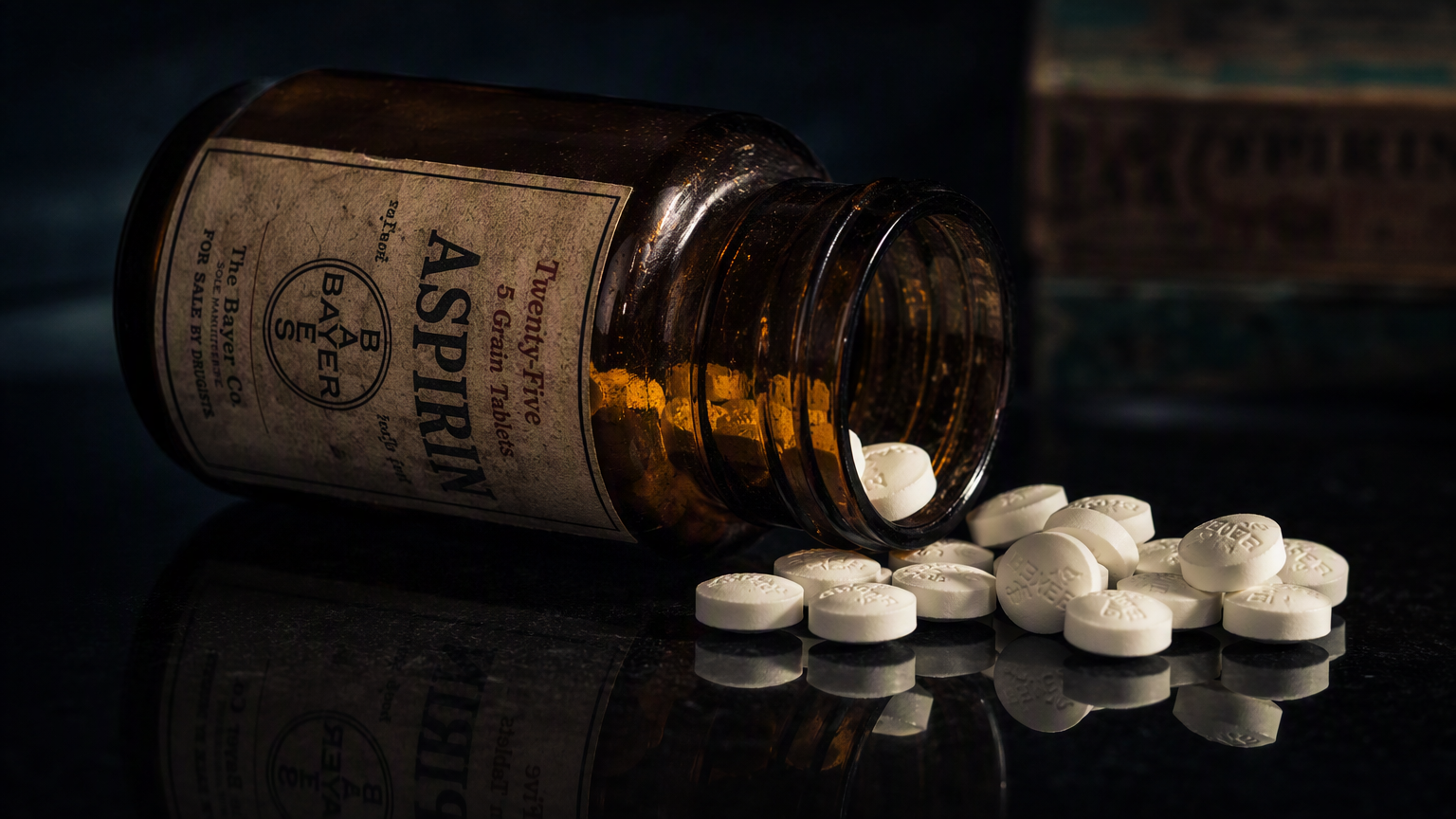
Quaaludes were supposed to be dead and buried. Pulled from the market in 1984, banned outright, the kind of drug you only heard about in old movies or your uncle’s stories about the 70s. And yet here we are in 2025, and the ludes are apparently back. Not gone. Not forgotten. Back.
Wait, People Are Actually Doing This Again?
So here’s the thing that got me down this rabbit hole in the first place. Methaqualone (that’s the actual chemical name for what everyone called Quaaludes) basically vanished from American drug culture for decades. It wasn’t that people stopped wanting to get sedated and loose-limbed and giggly. It’s that the stuff got harder to make, harder to move, and honestly just fell out of fashion once cocaine and then opioids took over the cultural spotlight. But drug trends are weird. They’re cyclical in a way that genuinely surprises me every single time, even after years of covering this stuff.
Now reports are trickling in, mostly from harm reduction circles and a handful of toxicology labs, that methaqualone is showing up again. Sometimes it’s the real deal, synthesized somewhere overseas and smuggled in. Sometimes, and this is the part that actually worries me more, it’s showing up as a cutting agent or a mislabeled pill sold as something else entirely. That second scenario is not a comeback story. That’s a public health problem wearing a nostalgia costume.
A Quick History Lesson (Bear With Me)
For anyone under 40, Quaaludes might sound like some vague retro reference from a Scorsese movie. And, I mean, that’s basically accurate. The drug hit peak popularity in the 1970s as a sedative-hypnotic, prescribed for insomnia and anxiety before doctors realized, oh wait, this thing is incredibly easy to abuse and people are absolutely loving that. It became a party drug. A club drug. A “let’s take this and dance badly and feel invincible” drug. Disco culture practically ran on the stuff alongside cocaine.
The DEA eventually classified it as Schedule I, which if you don’t follow this stuff closely means the government decided it has no accepted medical use and a high potential for abuse. Production stopped. Legal manufacturing ended in the US by the mid-80s. For most of my career covering drug trends, methaqualone has been a footnote, not a headline.
So Why Now? Why 2025?
This is the question that actually matters, and I don’t think anyone has a fully satisfying answer yet. From what I can tell, there are a few things converging at once, and none of them are simple.
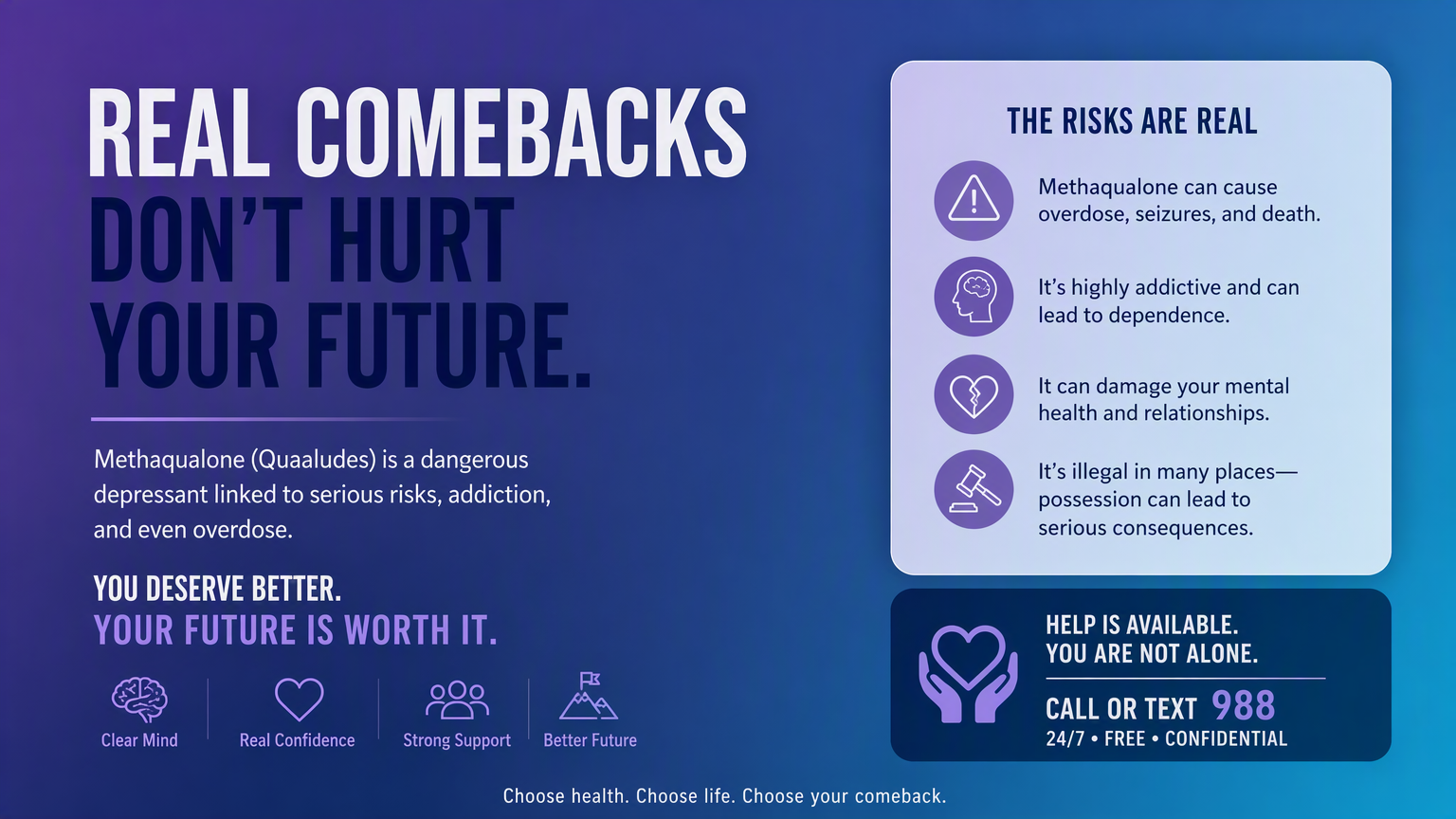
First, there’s the fentanyl fatigue factor. I’ve talked to harm reduction workers who say younger users, people in their early twenties who weren’t even born when Quaaludes disappeared, are actively seeking out “old school” drugs because they perceive them as safer than whatever’s floating around the illicit pill supply right now. Which, look, I get the logic, but I also think it’s kind of tragically misguided. A drug being old doesn’t make it safe. It just makes it familiar in a way that feels comforting.
“There’s this idea that if grandpa did it at a disco in 1978, it can’t be that dangerous. That’s not how pharmacology works, and it’s definitely not how the current supply chain works either.”
Second thing: overseas chemical manufacturing has gotten cheaper and more decentralized. Precursor chemicals move around the globe in ways that make production of “vintage” drugs way more feasible than it was even a decade ago. Basically, if there’s demand, somebody somewhere will figure out how to synthesize it and ship it. That’s just the reality of the modern drug trade, and it applies to methaqualone just like it applies to everything else.
The Part Nobody Wants to Talk About
Here’s where I have to be honest and say something that’s going to sound like a buzzkill. Quaaludes were dangerous the first time around. Really dangerous. Overdose risk, especially when mixed with alcohol, was significant, and the margin between “fun sedated evening” and “respiratory depression that kills you” was not as wide as people remembered it decades later through rose-colored, disco-ball-lit nostalgia.
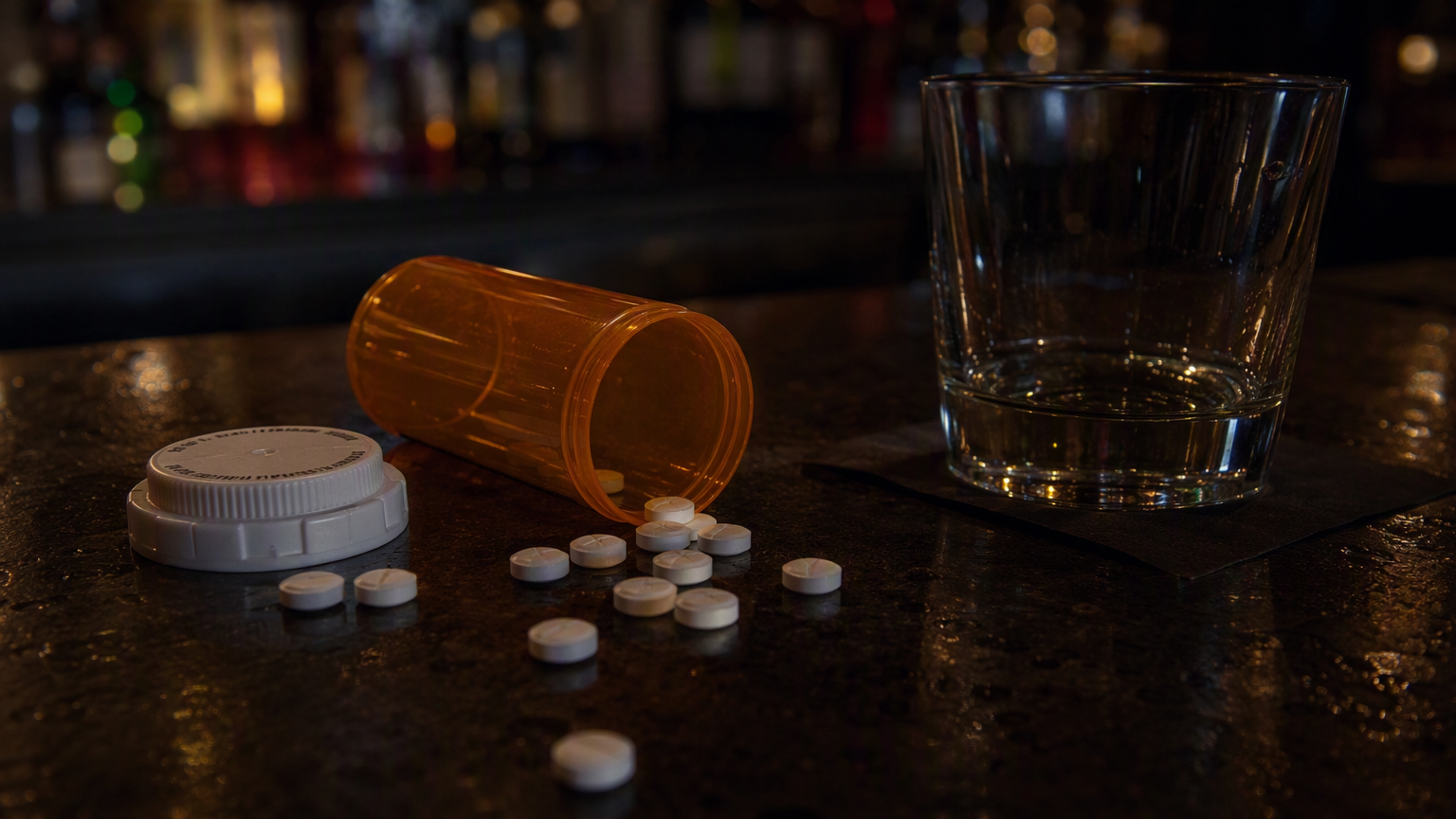
And now you’re adding a modern complication on top of that old risk profile: nobody actually knows what they’re taking. Street pills pressed to look like prescription meds, powder sold as “real ludes,” whatever gets mixed in during transport or cut with filler at some point along the supply chain. Testing labs that work with harm reduction organizations have flagged samples containing methaqualone mixed with benzodiazepines, and sometimes with substances that have nothing to do with either drug. That combination is genuinely scary. I’m not being dramatic for effect here. Sedative-on-sedative interactions, especially when the dosing is unknown, is exactly the kind of thing that ends up in an ER report or worse.
I’ve seen this pattern before, honestly, with other “retro” drugs cycling back into youth culture. There was a whole moment a few years back with certain old-school hallucinogens making a resurgence on social media, framed as this authentic, analog alternative to whatever synthetic stuff was dominating the scene. It rarely stays authentic for long. The market adapts, corners get cut, and the thing that made the drug appealing in nostalgia terms gets completely divorced from what’s actually circulating.
What This Actually Means
Look, I don’t think Quaaludes are about to become the defining drug of this decade the way they were in the 70s. The cultural conditions that made them huge back then (disco clubs, a specific kind of permissive party culture, way less awareness of overdose risk) just don’t exist in the same form anymore. But that doesn’t mean this resurgence is nothing. Small trends in drug use have a way of signaling bigger shifts, and this one seems to be telling us something about how exhausted and distrustful a whole generation has become toward the current drug supply.
People aren’t necessarily nostalgic for the Quaalude itself. They’re nostalgic for a version of drug use that felt more predictable, more knowable, less like playing roulette with fentanyl contamination. Whether that’s a fair read on the actual risk (it’s not, not really) is almost beside the point. The perception is driving behavior, and that’s worth paying attention to regardless of what you think about the drug itself.
So will this become a full-blown comeback, or just a weird blip that toxicology reports mention for a year or two before it fades again? Honestly, I don’t know. Nobody does yet. But if the last few decades of drug trend coverage have taught me anything, it’s that nothing stays extinct forever. Things just wait for the right cultural moment to crawl back out.