
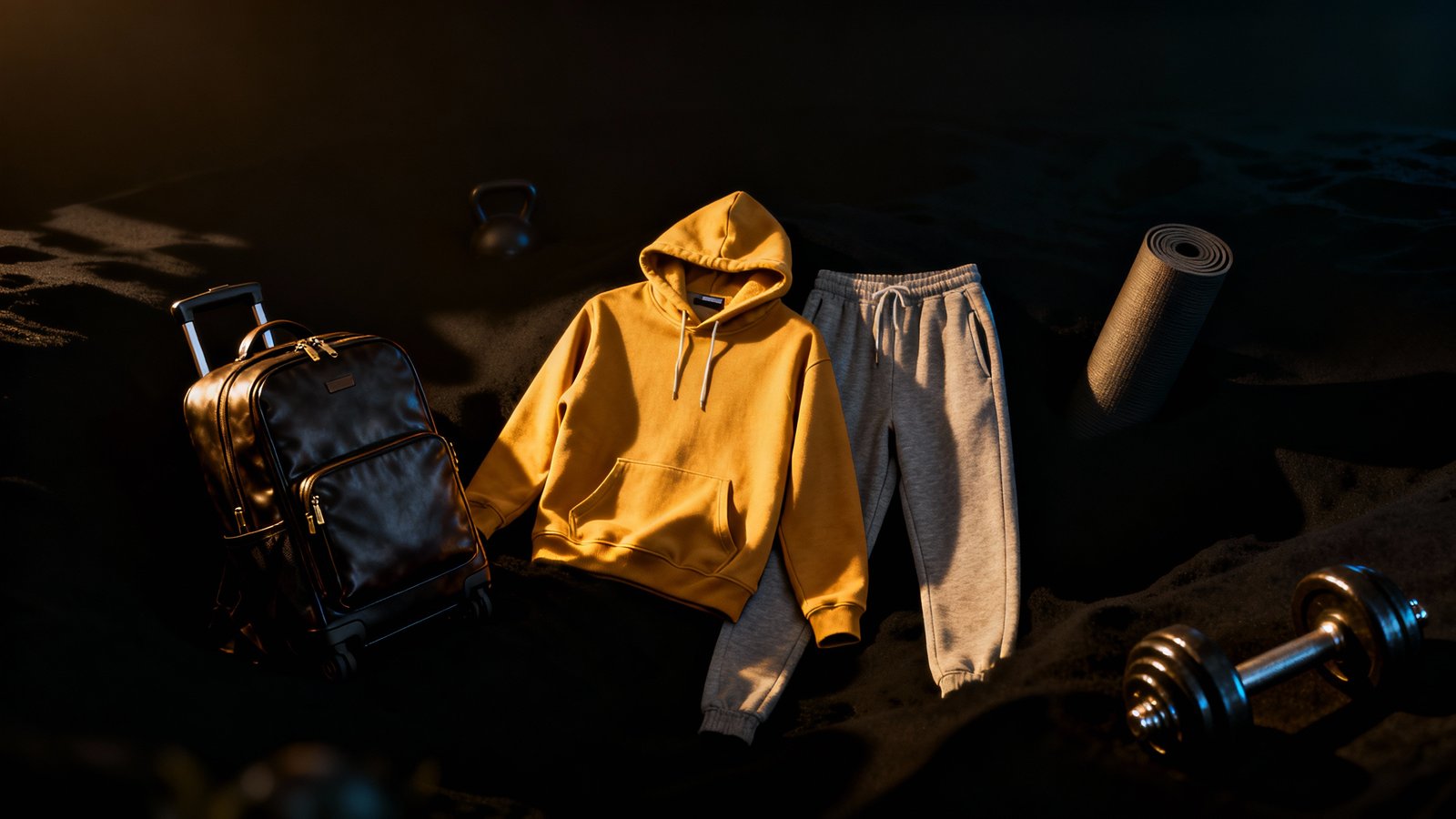
Okay, so Amazon, right? It’s not just a store anymore. It’s like, the pulse of the planet. Or at least, the pulse of what we’re all buying. And when they drop hints about what’s ‘in’ and ‘out’ for 2026, it’s not just a trend report. It’s a prophecy. A self-fulfilling, algorithm-driven prophecy, if I’m being honest. They tell us what we want, and then, boom, we want it. It’s kinda genius, actually. And a little bit terrifying.
The Great Home Workout Reckoning
Remember 2020? Yeah, we all bought a Peloton. Or an expensive set of dumbbells. Or one of those resistance band kits that’s still in its original packaging somewhere under the bed. No judgment, I did it too. We all thought we were gonna become these super-fit, home-gym warriors. And for a hot minute, some of us were. But here’s the thing about home workout equipment: a lot of it just became really expensive furniture. Dust magnets, if you will.
So, for 2026, Amazon’s basically telling us what we already kinda knew: that bulky, single-purpose gear is OUT. Like, for good. No more giant treadmills that just sit there, staring at you, judging your life choices. The era of the “aspirational purchase” sitting unused in the corner is, thankfully, winding down. Thank god, because my living room isn’t a gym, you know?
What’s IN? And this is actually pretty smart. It’s all about compact, smart, and integrated stuff. Think AI-powered mirrors that correct your form, or subscriptions to virtual reality fitness classes that actually feel immersive, not just a glorified YouTube video. It’s less about the hardware and more about the experience. And, crucially, it’s about stuff that doesn’t take up half your apartment. This is big. Really big. Because who wants a stationary bike that costs more than their car and only gets ridden twice a month?
The Subscription Model Lives On
What’s interesting here is that even as the physical stuff shrinks, the subscription model for fitness is just exploding. You’re not buying a machine; you’re buying access. To classes, to trainers, to a community. And that’s where Amazon, with its incredible reach, can really shine. They’re not just selling you the mirror; they’re selling you the monthly fee for the content that makes the mirror useful. It’s a whole ecosystem, and honestly, it makes sense. People want convenience, and they want to feel like they’re getting personalized attention, even if it’s from an algorithm. Who cares, right, if it works?
Are We Done With Our Pandemic PJs?
Okay, let’s talk cozy fashion. Because for a solid two years, my wardrobe consisted of approximately 70% sweatpants and 30% oversized hoodies. And not gonna lie, it was glorious. But Amazon’s forecast for 2026? It says the cheap, disposable, ultra-schlubby loungewear is officially OUT. And frankly, it’s about time. We’ve all seen those sad, pilled joggers after three washes. It’s not a good look.
What’s IN? “Elevated comfort.” Yeah, I know, it sounds like something a fashion magazine would make up. But hear me out. It’s about pieces that are still super comfy-cozy but also, like, socially acceptable outside the house. Think cashmere blends that don’t cost an arm and a leg, sustainable fabrics that feel good and actually last, and cuts that are flattering without being restrictive. It’s the kind of stuff you can wear to work from home, then throw on a blazer and head to brunch without looking like you just rolled out of bed (even if you did). It’s basically an admission that we all love being comfortable, but we also want to look a little less… feral.
“People are tired of buying junk that falls apart. They want quality, even in their comfy clothes. And they’re willing to pay for it, within reason.”
This shift isn’t just about fashion; it’s about a bigger trend towards mindful consumption. We’ve all got closets overflowing with fast fashion mistakes. And Amazon, with its vast marketplace, is actually in a unique position to push higher-quality, longer-lasting items. It’s good for them, and honestly, it’s probably good for us, too. Less waste, more style. Win-win.
Travel Gear: Smarter, Not Just Bigger
And then there’s travel gear. Oh, travel. The chaotic joy of it all. After a few years where nobody went anywhere, everyone’s hitting the road, the skies, the seas again. And Amazon’s betting big on a different kind of travel essential for 2026. The flimsy, generic suitcase you bought at a big box store because it was on sale? OUT. Those bulky, single-use travel gadgets? OUT, too.
What’s IN? Smart, durable, multi-functional gear. We’re talking luggage with built-in chargers (finally!), RFID-blocking pockets (because identity theft is a real buzzkill), and lightweight, indestructible materials that can handle the absolute beating airport baggage handlers dish out. Think compact, modular packing systems, and tech accessories that do three things at once. It’s all about efficiency, security, and making your journey less of a headache. Because let’s face it, travel is stressful enough without your phone dying at the gate or your suitcase exploding on the tarmac.
I’ve seen this pattern before, this move towards intelligent design in everyday items. It’s not just about getting from point A to point B; it’s about making the process of getting there smoother, safer, and less annoying. And Amazon, with its sheer volume of sellers, is probably going to become the go-to spot for all these clever little travel hacks. They’re already dominating, so why not here too? It’s kind of inevitable, isn’t it?
What This Actually Means
Look, when Amazon talks, it’s more than just idle chatter. They have the data. They see what we clicked on, what we returned, what we actually kept. So when they say home workout equipment is going small and smart, or that our cozy clothes need to be less schlubby, or that travel gear needs to be tougher and more tech-savvy, they’re not guessing. They’re reflecting what’s already happening, and then they’re pushing it further. They’re basically giving us permission to upgrade. Or to get rid of all that junk we bought in a panic.
The underlying theme here, if I’m being honest, is a move towards quality over quantity. A bit more thoughtfulness in our purchases. People are tired of buying cheap crap that breaks or becomes obsolete in six months. We want things that serve multiple purposes, last longer, and ideally, don’t add to the mountain of waste. And Amazon, in its infinite wisdom (and profit motive), is just riding that wave. They always do. So, if you’ve got a dusty treadmill or a drawer full of pilled sweatpants, maybe 2026 is your year to finally clear them out. Just don’t expect Amazon to stop finding new things for you to buy instead. They won’t. Ever.