Okay, So What’s The Deal Here?
Here’s the thing: we’re not talking about cheesy Photoshopped alien pictures anymore. We’re talking about AI that can whip up entire, convincing narratives, voices, faces – hell, whole situations – out of thin air. And it does it so fast, it’s actually kinda terrifying. Experts, bless their hearts, are ringing alarm bells louder than ever, warning that this whole “blurring truth and fiction” thing is a legit threat to the U.S. And if I’m being honest? They’re not wrong. Not even a little bit.
I mean, remember when “fake news” was just a snappy comeback? Now, it’s a full-blown existential crisis for reality itself. You see it popping up everywhere. Deepfakes of politicians saying things they never said. Audio clips of public figures making statements they absolutely did not utter. News articles, totally generated, that sound perfectly plausible until you try to trace them back to a real source and… poof. Nothing. It’s like trying to grab smoke. And this isn’t some far-off dystopian future movie plot. This is happening, right now, on your phone, in your feed, probably without you even realizing it. We’re just drowning in it.
Who Even Knows What’s Real Anymore?
The speed is what gets me, you know? It’s not just that AI can create this stuff. It’s that it can create it instantly. Think about a major news event – an election, a disaster, a sudden crisis. Within minutes, you could have a dozen conflicting, hyper-realistic, completely fabricated stories swirling around. Each one designed to inflame, to divide, to push a specific agenda. And who’s gonna be the arbiter of truth in that kind of chaos? Not the news outlets, because they’re scrambling. Not social media platforms, because they’re already overwhelmed and, frankly, not exactly paragons of ethical oversight. It’s basically a free-for-all. And we, the public, are caught in the middle, trying to figure out if the sky is actually green or if some AI just told us it was.
So, We’re All Just… Believing Everything Now?
That’s the million-dollar question, isn’t it? Because if you can’t trust your eyes, or your ears, or even what looks like a perfectly legitimate news report, then what can you trust? This isn’t just about misinformation anymore. It’s about the complete erosion of public trust. Not just in media, but in institutions. In each other. And that, my friends, is a really, really dangerous place to be. Especially for a democracy.
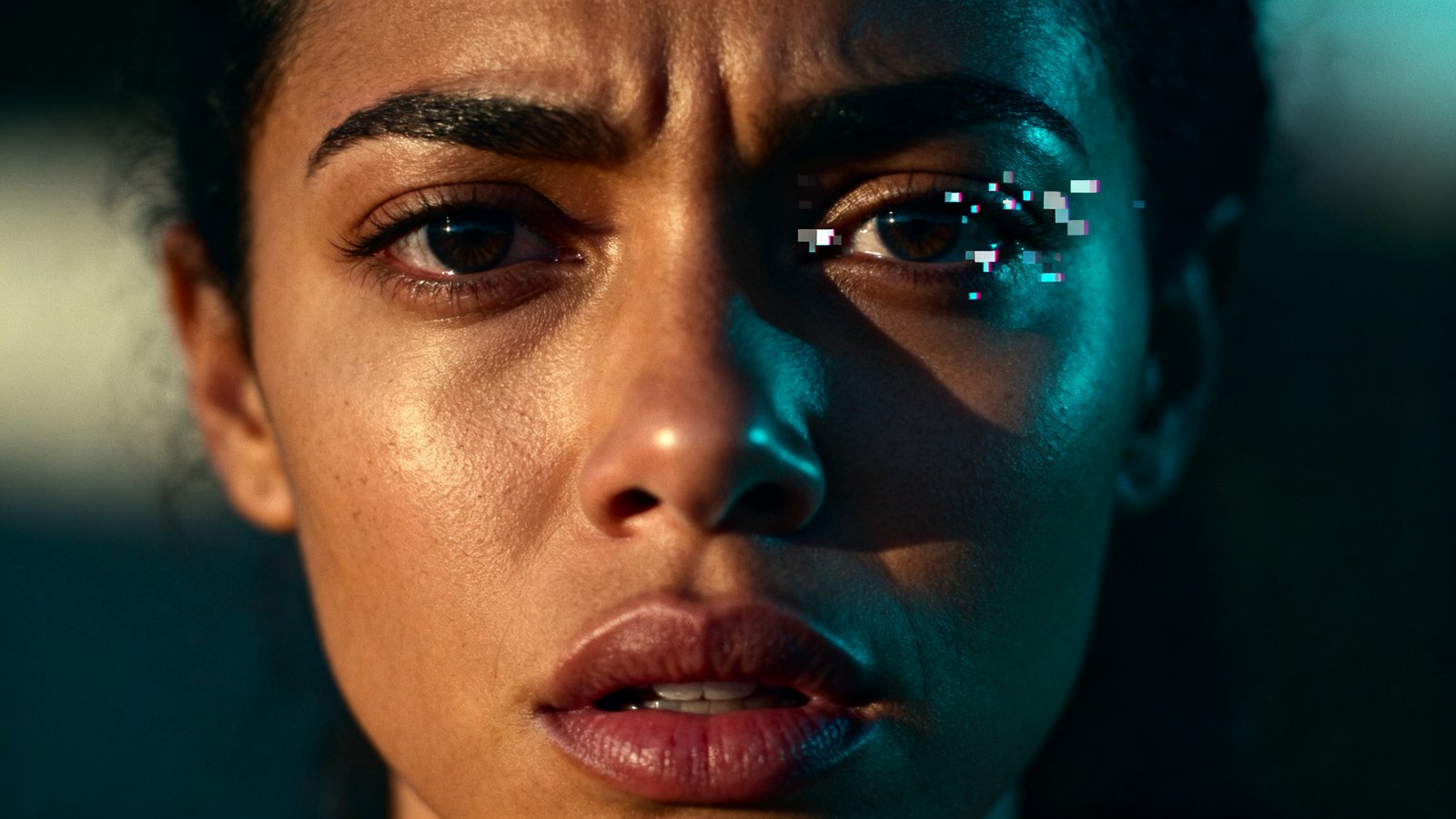
“Look, we’re not just talking about fake celebrity videos anymore. This is about shredding the very fabric of reality, one pixel at a time. And frankly, we’re doing a pretty good job of helping it along.” – Some exasperated journalist (me) on a Tuesday.
Think about it: elections. We’re already a deeply polarized nation. Now, imagine a foreign adversary (or, hell, a domestic one) flooding the zone with AI-generated propaganda just days before an election. Fabricated videos of candidates making racist remarks. Audio of them admitting to illegal activities. And it’s all so good, so convincing, that by the time it’s debunked, the damage is already done. The votes are cast. The doubt is sown. That’s a direct, undeniable threat to the electoral process. And, you know, to the whole idea of an informed citizenry making rational choices. Which, I’m starting to think, might be a quaint notion anyway, but I digress.
Third Section
The thing is, we’ve always had propaganda. We’ve always had people trying to twist the truth. But the scale and the sophistication of what AI brings to the table? It’s unprecedented. Before, you needed resources. You needed actors, film crews, editors, a distribution network. Now? You need a decent computer and, like, ten minutes. And boom. Instant reality distortion field. And it’s not just the big, obvious stuff. It’s the subtle nudges. The AI-generated comments section on an article, pushing a certain narrative. The tailored “news” feed that reinforces your biases so perfectly you never even see an opposing viewpoint. It’s like a thousand tiny cuts, slowly bleeding out our collective ability to discern fact from fiction. And that’s actually way more insidious than the giant, obvious deepfake.
We’re in a race, essentially. A race between the technology that creates this stuff and the technology (and human ingenuity) that tries to detect it. And from where I’m sitting, AI is winning. Big time. It’s evolving faster than we can keep up. We’re playing whack-a-mole with a hydra. You knock down one fake, and ten more pop up, each one a little bit better, a little bit harder to spot. It’s exhausting just thinking about it.
What This Actually Means
So, is America ready for AI’s truth bomb? No. Not even close. We’re fundamentally unprepared for a world where reality is a choose-your-own-adventure novel written by algorithms. Our institutions aren’t ready. Our legal frameworks aren’t ready. And, most importantly, we aren’t ready. We haven’t built up the collective critical thinking muscle needed to navigate this kind of informational landscape. We’re too quick to share, too quick to believe, especially if it confirms what we already suspect.
What do we do? I honestly don’t have all the answers. Nobody does. But we’ve gotta start somewhere. We need better digital literacy, from kindergarten all the way up. We need social media companies to actually, truly, give a damn about this stuff (fat chance, I know, but a journalist can dream). We need tools that can spot this AI-generated garbage faster and more reliably. And we, as individuals, need to be way more skeptical. About everything. Seriously, like, everything. Assume nothing. Verify everything. It’s a pain in the ass, I know. It’s exhausting. But the alternative is living in a world where nothing is real, and frankly, that’s a world I don’t want to be in. We’ve gotta fight for reality, even if it feels like a losing battle sometimes. Because if we don’t, what’s left? Just a bunch of carefully crafted lies, and who cares about those…