






Remember when the biggest worry about AI was whether it would steal our jobs? Well, plot twist: it might steal our affordable gaming consoles first.
Tim Sweeney, CEO of Epic Games (you know, the Fortnite people), just dropped a warning that should make anyone shopping for tech in the next few years nervous. AI companies are buying up so much RAM that prices are going haywire, and that’s going to hit everything from your next Xbox to the laptop you’re eyeing for your kid’s college graduation. We’re talking TVs, smartphones, gaming rigs – basically anything with a circuit board and ambitions.
Here’s the thing that makes this particularly frustrating: it’s not even about supply chain issues or some natural disaster wiping out a factory. It’s because OpenAI, Google, Microsoft, and pretty much every other tech giant with deep pockets are in an arms race to build bigger, badder AI systems. And those systems? They’re absolutely ravenous for memory.
The AI Gold Rush Nobody Saw Coming
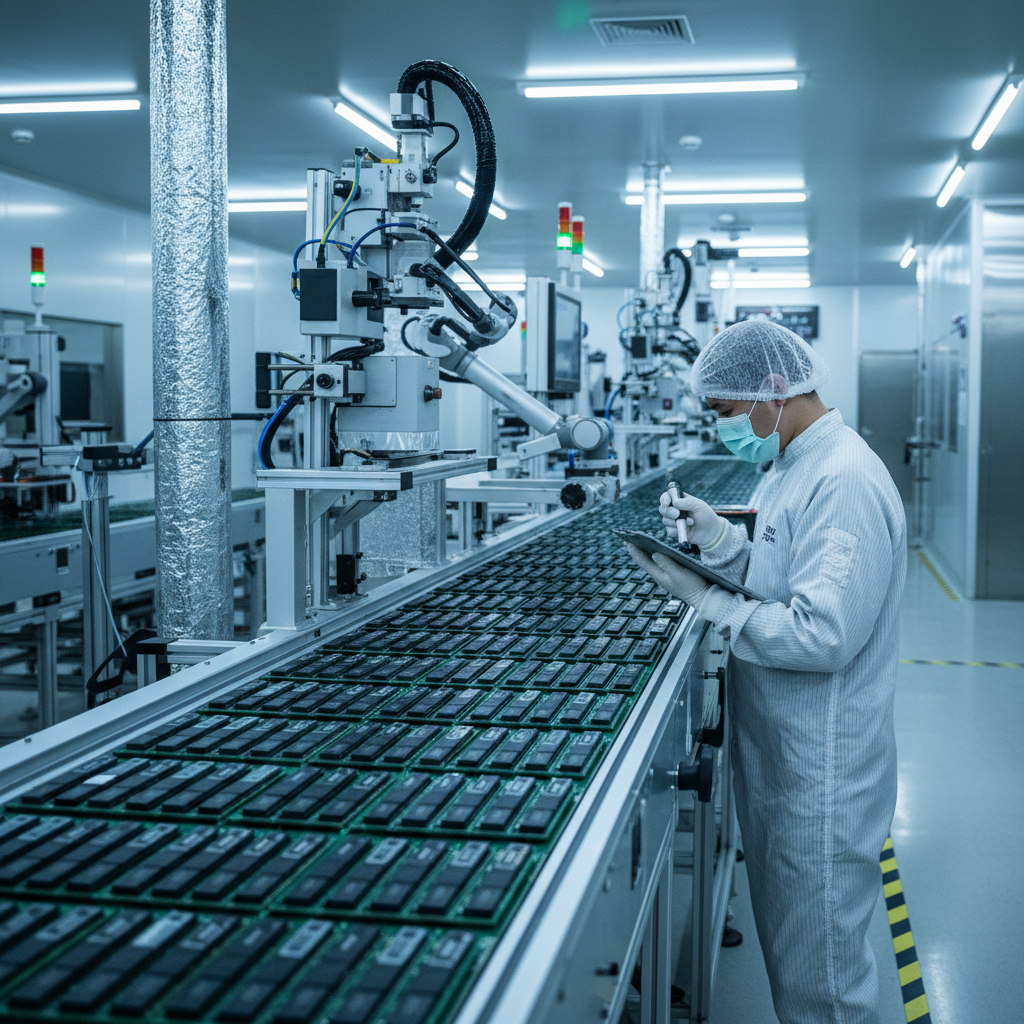
So what’s actually happening here? Well, training large language models and AI systems requires truly ridiculous amounts of RAM and high-bandwidth memory. We’re not talking about the 16GB in your laptop – we’re talking about data centers packed with specialized memory chips that cost more than most people’s cars.
The memory manufacturers are basically living their best life right now. They’re getting orders from AI companies that make consumer electronics look like pocket change. And when you’re a business trying to maximize profit (shocking, I know), you’re going to prioritize the customers writing checks with lots of zeros.
It’s Not Just About Gaming Anymore
Sweeney specifically called out gaming consoles, but honestly, that might be the least of our concerns. Yeah, the next PlayStation or Xbox could cost significantly more than previous generations – and we already saw the PS5 Pro launch at $700, which made plenty of people choke on their energy drinks. But this affects a much wider swath of everyday tech.
Your next TV, especially if you want one of those fancy smart models with decent processing power? More expensive. That mid-range laptop you were considering? Probably going to cost what a high-end model used to run. Even smartphones aren’t immune, though they tend to use different types of memory that might not be hit quite as hard.
- Gaming consoles: Microsoft and Sony are probably sweating right now, trying to figure out how to build next-gen systems without pricing themselves out of the market
- Laptops and desktops: Already saw price creep over the last year, and it’s not getting better anytime soon
- Consumer electronics: Pretty much anything with “smart” in the name is going to feel the pinch
The Economics Are Brutally Simple
Look, I’m not an economist, but this isn’t exactly complicated math. Memory manufacturers have finite production capacity. They can’t just spin up new factories overnight – building a semiconductor fabrication plant takes years and costs billions. So when demand suddenly spikes from a new sector (hello, AI), and that sector has essentially unlimited funding, something’s gotta give.
What gives is us. Regular consumers.
Why Can’t They Just Make More?
You might be thinking, “Well, if prices are going up, why don’t these companies just build more factories?” Fair question. And they are, sort of. But here’s where it gets messy.
Building a modern chip fabrication facility costs somewhere between $10 billion and $20 billion. That’s not a typo. And it takes three to five years from breaking ground to producing actual chips. By the time these new facilities come online, the AI boom could look completely different. Maybe the bubble bursts. Maybe regulations kick in. Maybe (and this is kind of darkly funny) AI gets good enough to design more efficient systems that don’t need as much memory.
The chip manufacturers know this. They’ve been burned before by overbuilding capacity, then watching demand crater. Remember the early 2000s? The industry nearly collapsed from overexpansion. So they’re being cautious, which is good business sense but terrible news for anyone who wants affordable electronics.
What This Means for Normal People
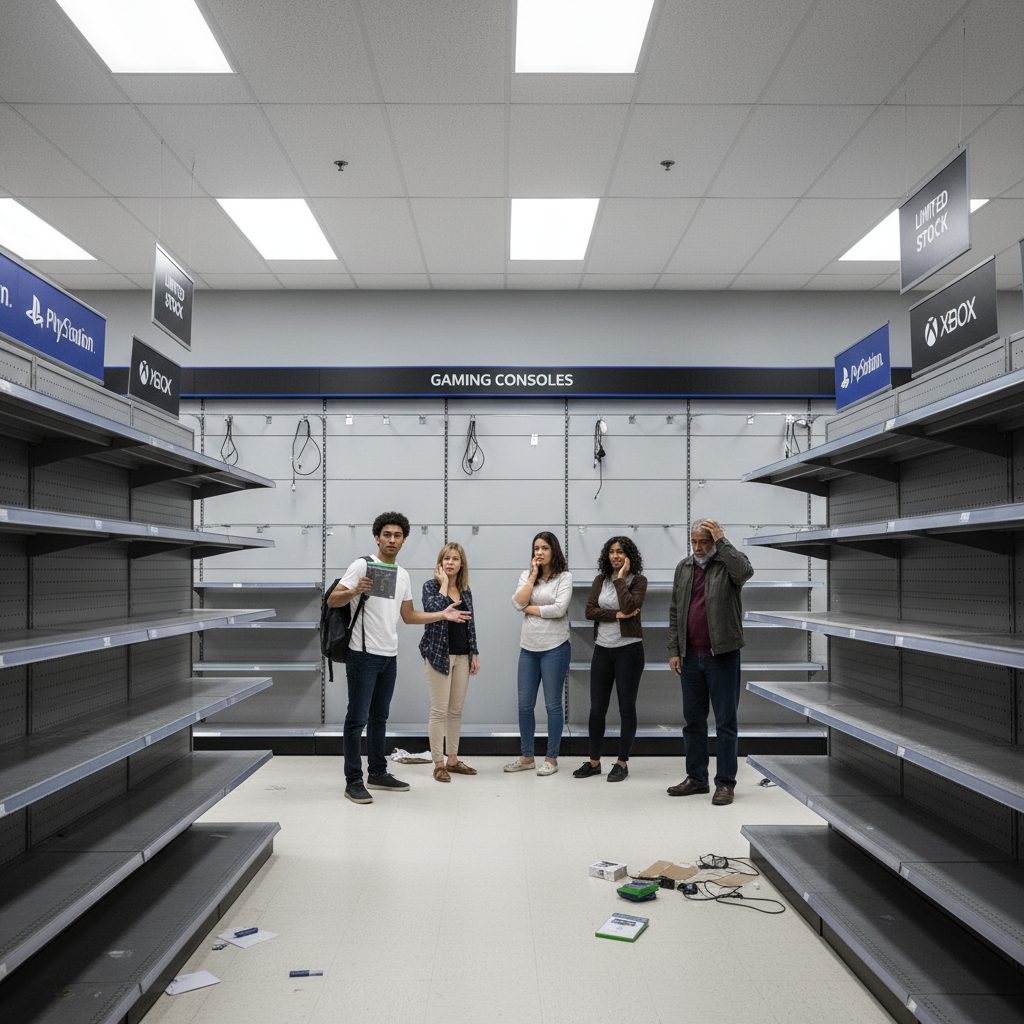
Let’s get real about what this actually looks like in practice. Say you’re a parent who promised your kid a new gaming console for their birthday next year. Or you’re a college student who needs to replace a dying laptop. Or you just want a decent smart TV to watch shows without the thing crashing every other episode.
You’re going to pay more. Probably significantly more.
The gaming industry is especially vulnerable here because consoles operate on razor-thin margins already. Sony and Microsoft traditionally sell the hardware at a loss or barely breaking even, then make their money on game sales and subscriptions. If component costs spike, they’ve got a nasty choice: eat the increased costs and lose even more money per unit, or pass them along to consumers and watch sales tank.
“This is going to be a real problem for the industry,” Sweeney warned, and he’s not exactly known for being an alarmist.
The Ripple Effects Keep Rippling
Here’s what really keeps me up at night about this – it’s not just the direct cost increases. When core components get expensive, everything downstream gets affected. Game developers might have to optimize for older hardware longer, slowing down innovation. TV manufacturers might cut corners on other features to keep prices competitive. Laptop makers might offer configurations with less RAM as the “standard” option, even though that’ll make the machines feel outdated faster.
We’re basically looking at a scenario where AI advancement – which is supposed to make everything better and more efficient, according to the hype – makes our everyday tech worse and more expensive. The irony is so thick you could cut it with a knife.
Is There Any Way Out of This Mess?
So what happens now? Honestly, it’s hard to say. The optimistic take is that this is temporary – AI companies will eventually have enough infrastructure built out, demand will stabilize, and prices will come back down. The memory manufacturers will finish their new facilities, capacity will increase, and everything will be fine.
The pessimistic take? This is the new normal. AI isn’t going away, and the computational requirements keep growing exponentially. Every new model needs more memory than the last. We might be entering an era where high-performance consumer electronics become genuinely luxury items again, like they were in the ’80s and ’90s.
There’s also a middle path where innovation in memory technology or AI efficiency makes the problem less acute. Maybe we develop new types of memory that are cheaper to produce. Maybe AI models get dramatically more efficient, requiring less hardware. Maybe (and I’m really reaching here) governments step in with regulations or subsidies to ensure consumer electronics don’t become unaffordable.
But betting on any of those happening quickly enough to prevent pain in the short term? That feels naive.
What’s becoming clear is that we’re living through a genuine shift in how the tech industry prioritizes its resources. For the last couple decades, consumer electronics drove innovation – companies built faster chips and more memory because we wanted better phones, computers, and games. Now the driver is AI and enterprise computing, and consumer needs are becoming secondary.
Which brings us back to that next Xbox or PlayStation. When it finally launches – probably 2027 or 2028 at this rate – don’t be shocked if the price tag makes the PS5 Pro look like a bargain. And when that happens, you’ll know exactly who to blame. Or rather, what to blame: the AI systems that we’ve been assured will revolutionize everything, starting apparently with revolutionizing our credit card bills.


