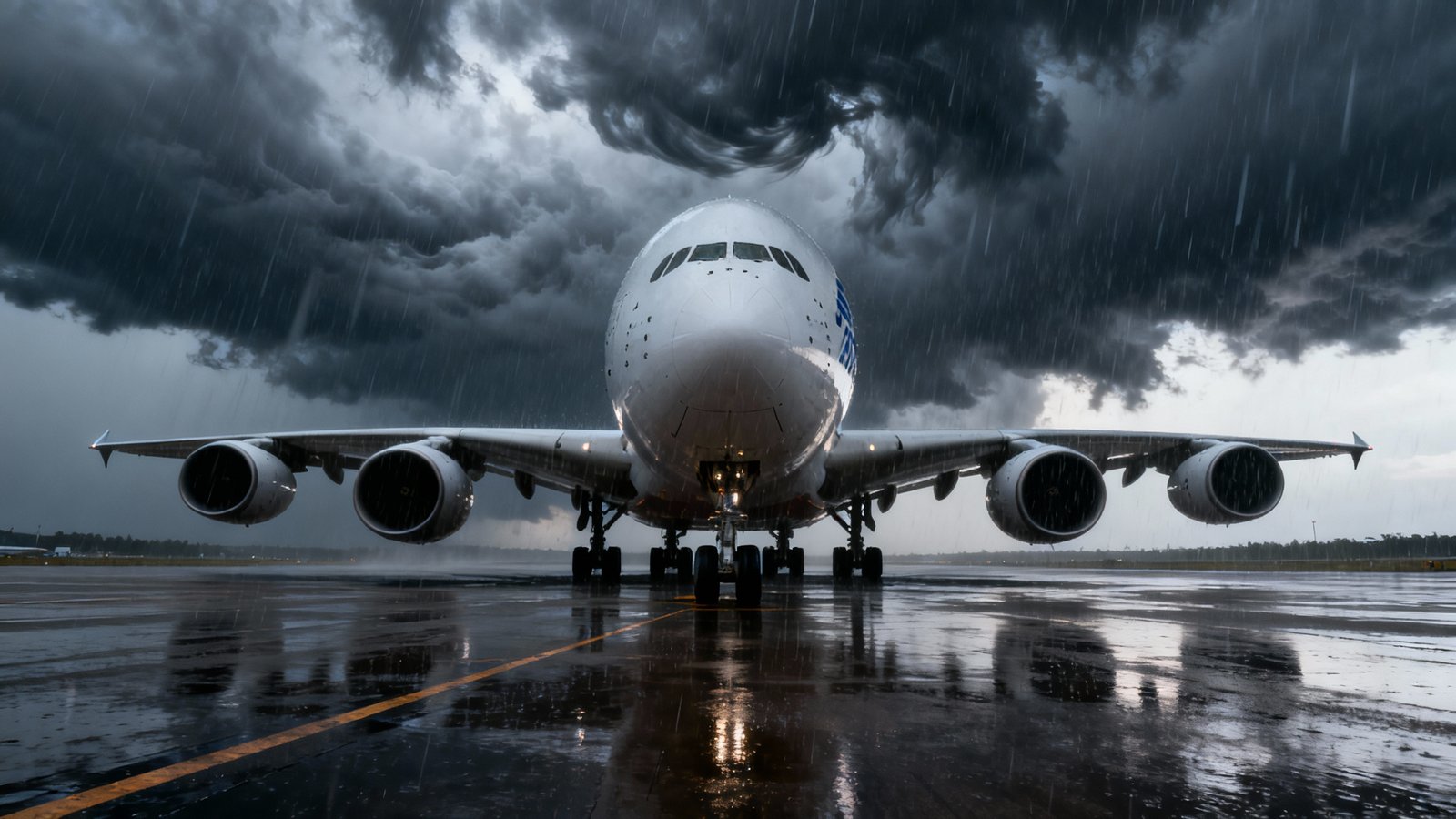
So, you’re sitting there, probably scrolling on your phone, maybe dreaming about your next getaway. International travel, right? The thrill of it all. Well, here’s a little dose of reality that’s making those dreams a bit more… complicated. Get this: thousands of flights are facing disruption all because Airbus has decided it’s high time to update, literally thousands, of its planes. Not just a few dozen, not hundreds – we’re talking thousands. It’s a massive undertaking, and frankly, it’s hitting travelers right where it hurts: their plans.
I mean, think about it. You book your trip, you get excited, maybe you even start packing early (that’s just me?). Then, bam! Your airline sends an email, probably buried in your spam folder, saying your flight’s been changed, delayed, or worse – canceled. And the reason? A software update. Yeah, you heard me. Like your phone suddenly deciding it needs to download a new OS during a crucial moment, but on a scale that impacts global commerce and vacations. It’s truly wild when you stop and consider the sheer domino effect this is having, isn’t it?
The Great Avionics Overhaul – Or, “Why Your Vacation Just Got Rerouted”
Here’s the deal: Airbus is implementing what they call a mandatory software update for the flight management system (FMS) on a significant chunk of their fleet. We’re talking about the A320, A330, and A350 families. These aren’t obscure planes; they’re the workhorses of many major airlines globally. Basically, if you’ve flown recently, there’s a good chance you’ve been on one of these. Now, you might think, “Well, software updates are normal, right?” And yes, they are. But this is a bit more involved than just clicking “install now.”
What’s Under the Digital Hood?
The FMS is basically the brains of the operation-it handles navigation, flight planning, fuel efficiency, all the really important stuff that keeps a plane moving safely from Point A to Point B. This isn’t just a patch for a minor bug; it’s a significant upgrade. The word on the tarmac is that it’s about improving navigation accuracy and, crucially, integrating with newer air traffic control systems being rolled out across the globe. You know, making sure all those expensive jets play nice with each other in increasingly crowded skies.
- The Nitty-Gritty: Airlines apparently need to apply this update by June 2024. That’s a firm deadline. And to get it done, planes have to be taken out of service, sometimes for several days.
- The Fallout: Every day a plane sits on the ground for maintenance-even for a “simple” software install-is a day it’s not generating revenue. It’s also a day it’s not carrying passengers, which translates directly into canceled flights and disrupted travel plans for us.
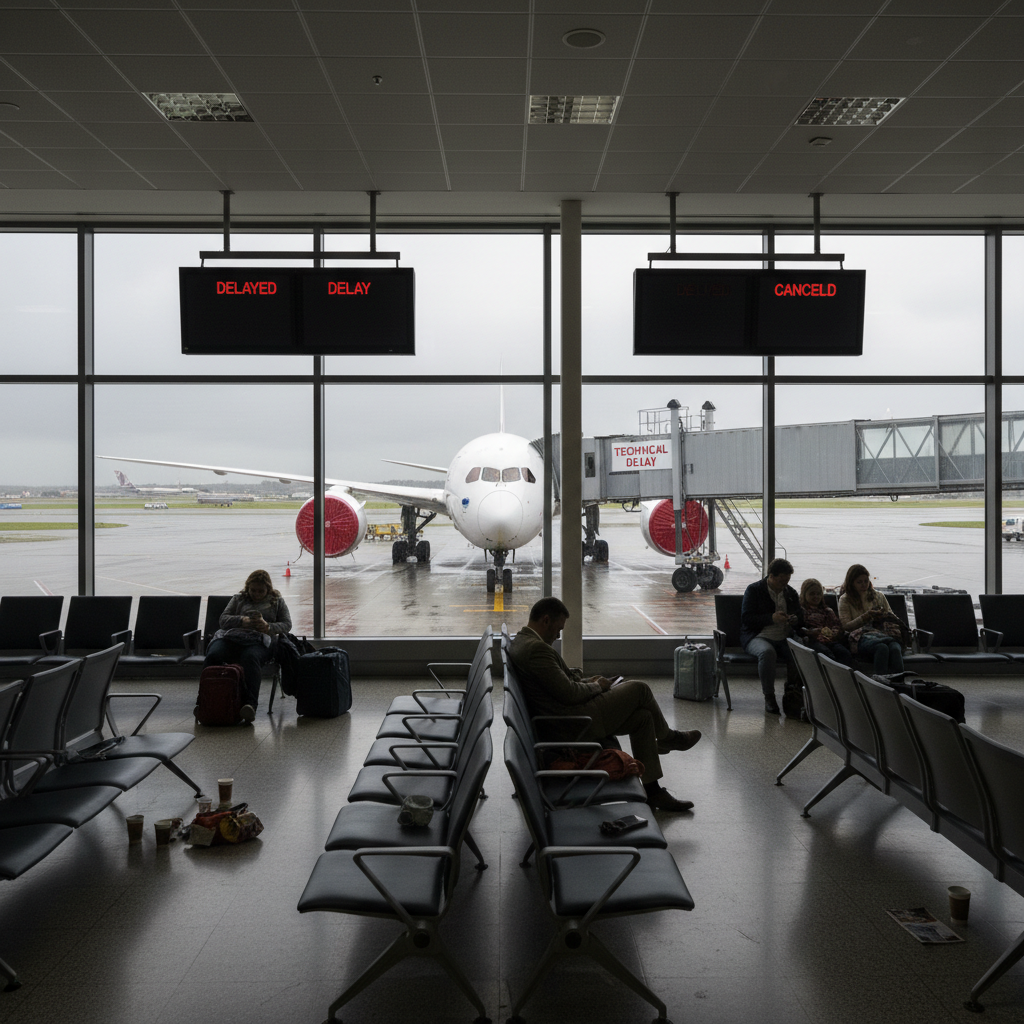
This isn’t an overnight thing, either. We’re already seeing airlines like Lufthansa, Air France, and even smaller carriers scrambling to adjust schedules. I even heard from a friend of a friend-you know, the kind of anecdotal evidence that always feels more real-whose flight to Rome was pushed back a full day just last week, citing an “unexpected maintenance issue.” Coincidence? Probably not.
“It’s a colossal logistical puzzle, trying to balance safety mandates with passenger demand. Someone’s always going to lose out, and right now, it’s often the traveler.”
The Ripple Effect: Airlines, Airports, and Your Wallet
So, we know Airbus is doing its thing. But the fallout-oh, the fallout is a symphony of logistical headaches. For airlines, it’s not just the cost of grounding a plane. It’s the cost of rebooking passengers, issuing vouchers, paying for hotel stays if people get stranded. It all adds up to millions upon millions. And who do you think ultimately foots that bill? Well, we do, eventually, through higher ticket prices or reduced service offerings, because let’s be real, airlines aren’t charities.
What Does This Mean for You, the Traveler?
Basically, keep your eyes glued to your inbox. Check your flight status religiously. Like, several times a day. If you have a trip coming up, especially on an Airbus aircraft, just assume there’s a higher-than-usual chance of a schedule change or delay. It’s not ideal, I know-it’s irritating, absolutely. But a little bit of proactive checking can save you a lot of headache down the line. Plus, knowing is half the battle, right?
- Flexibility is Key: If you can, try to book flights with some wiggle room. Avoid super-tight connections around this period.
- Stay Informed: Sign up for all airline notifications. Use flight tracking apps. Knowledge truly is power when you’re dealing with this kind of widespread disruption.
It’s sort of a perfect storm, if you ask me. Airlines are still reeling from the pandemic, passenger demand is through the roof, and now this mandatory upgrade. It’s like trying to change the tires on a car while it’s going 100 miles an hour. Someone’s bound to get a bit jostled, you know? And that someone is often us, the paying customers just trying to get from A to B.
The whole situation is a stark reminder of just how complex and interconnected modern air travel is. One major player-an aircraft manufacturer in this case-makes a necessary technical decision, and suddenly, the entire global network feels the tremors. It’s not just about a few canceled flights; it’s about the trust we place in these systems and the people who run them. So, next time you’re about to board an Airbus, maybe give a little nod to all the unseen digital wizardry keeping it aloft. And maybe, just maybe, double-check your departure time one last time.