
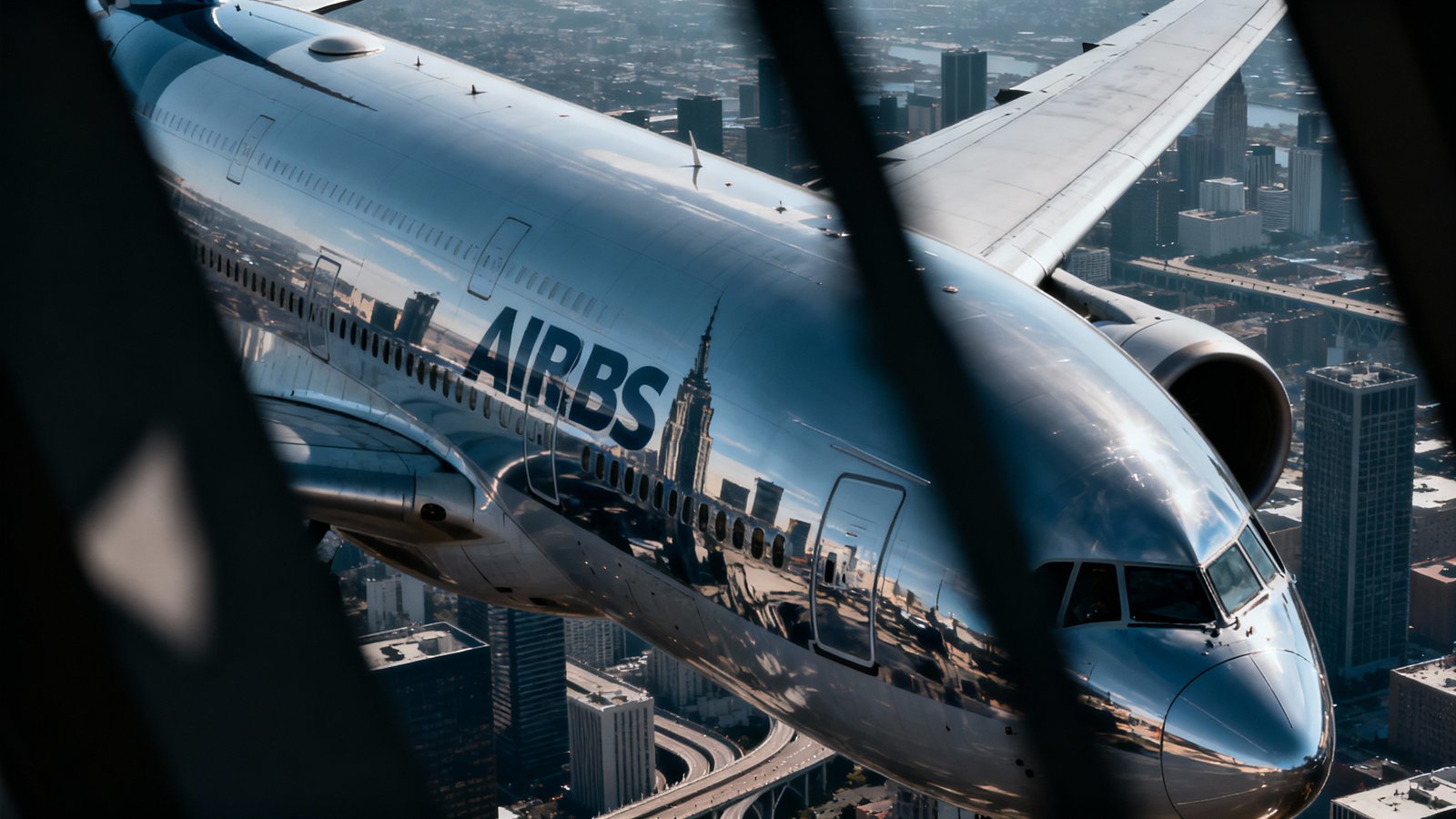
Remember that time you had to patch your computer software overnight, because, you know, a major security flaw popped up? Or maybe your phone started acting buggy after an update? Annoying, right? Now, imagine that happening to a fleet of commercial airplanes. Not just a few, but hundreds of them. Overnight. Potentially grounding them.
That’s not some far-fetched disaster movie plot, folks. That’s what’s been happening over in Asia, thanks to a rather nasty software glitch hitting Airbus A320s- specifically the A320neo series. And it’s caused-let’s just say-a bit of a kerfuffle among airlines over there. But here in the US? It seems we’ve, for once, sidestepped the worst of the fallout. Which is pretty wild, when you think about it.
The Glitch Heard ‘Round Asia
So, here’s the deal: Airbus, the grand European aircraft manufacturer, discovered a software issue on certain A320neo models that affects the engine control unit. It’s not a catastrophic failure threat, apparently-more of a nagging, persistent glitch that could potentially mess with engine performance data. Think of it like a car whose check engine light keeps flickering, but the mechanic can’t quite figure out why, and you can’t really just ignore it, can you? Especially not when you’re flying hundreds of people from, say, Singapore to Tokyo.
The problem is significant enough that Airbus issued a directive: airlines operating these specific software versions need to get them patched. And not just whenever they feel like it-I’m talking about within a matter of weeks, or even days, for some particularly affected planes. This isn’t a quick fix either; it’s a software upgrade that typically takes a good 12 hours per aircraft, give or take, at an MRO (maintenance, repair, and overhaul) facility. Imagine the scheduling nightmare, the logistics, the sheer panic of airline operations teams trying to juggle this.
Who’s Feeling the Heat? (Spoiler: Not Us)
Asian carriers. They’re definitely feeling the heat on this one. Airlines like India’s IndiGo, Vistara, and even some carriers in Southeast Asia are scrambling. They’ve got large fleets of A320neos, and suddenly, they’re facing potential grounding of planes, disruptions, and schedule headaches. This impacts everything-from their bottom line to passenger trust. No one wants to hear their flight is delayed because of a “software update.”
- Point: IndiGo, one of the world’s largest operators of A320neos, reportedly has over 100 aircraft impacted. That’s a huge chunk of their operational fleet.
- Insight: This isn’t just an inconvenience; it’s a massive operational burden costing millions in lost revenue and maintenance fees.
Think about it: an airline’s entire business model revolves around keeping planes in the air, flying scheduled routes. Pulling even one plane out for a day, let alone a week, creates a ripple effect-delayed flights, rebooked passengers, angry customers. Multiply that by dozens of aircraft, and you’ve got a full-blown crisis on your hands. We’re talking about a significant hit to capacity right when air travel is, for the most part, bouncing back like a champ globally.

“The speed at which these carriers need to act highlights the razor-thin margins and tight operational windows they constantly navigate. A snag like this can really throw a wrench in the whole operation.”
The Unscathed US? A Lucky Break
Now, you might think, “Wait, aren’t there A320neos flying all over the US?” And you’d be right! American Airlines, Delta (though less so with the neo, more the older A320s), Spirit, Frontier-they all fly models from the A320 family. But here’s the kicker, the very subtle plot twist that’s kept Uncle Sam’s airlines largely out of this particular software drama: our planes, or rather, the versions operating here, are either not affected or were already running different software iterations.
Version Control to the Rescue (Who Knew It Mattered So Much?)
It sounds mundane, doesn’t it? “Software versions.” But in aviation, it’s everything. Different airlines, depending on when they ordered their planes, their specific configurations, and even the maintenance contracts they have, can end up with slightly different software loads. It’s like how your iPhone might be running iOS 17.5, but your friend’s, bought six months earlier, might be on 17.4, and the bugs aren’t always identical.
- Point: The specific problematic software version doesn’t seem to be prevalent in the US-based A320neo fleets.
- Insight: This small distinction means US airlines avoid the massive operational and financial headache currently plaguing their Asian counterparts. Sometimes, luck really is just about timing and what code your planes happened to be running.
It’s a curious thing, this geographical segmentation of a global problem. It really underscores how complex modern aviation is-it’s not just about the hardware (the wings, the engines), but the literal lines of code that make everything talk to each other. And sometimes, those lines of code decide who gets to fly on time and who’s stuck dealing with a grounded fleet.
This isn’t to say US airlines are immune to all software glitches, mind you. We’ve certainly had our share of tech-related snags that have caused widespread delays and cancellations. But in this specific instance, with the Airbus A320neo engine control unit flub-we dodged a bullet. Or rather, a few hundred bullets. It’s probably making some airline ops managers in Dallas and Atlanta breath a collective sigh of relief, while their counterparts in Mumbai are pulling their hair out.
So, while you might hear about travel disruptions and grounded planes in other parts of the world, for your next domestic flight on an A320neo, you’re probably in the clear. And that, in an increasingly interconnected and sometimes glitchy world, feels like a minor miracle.