
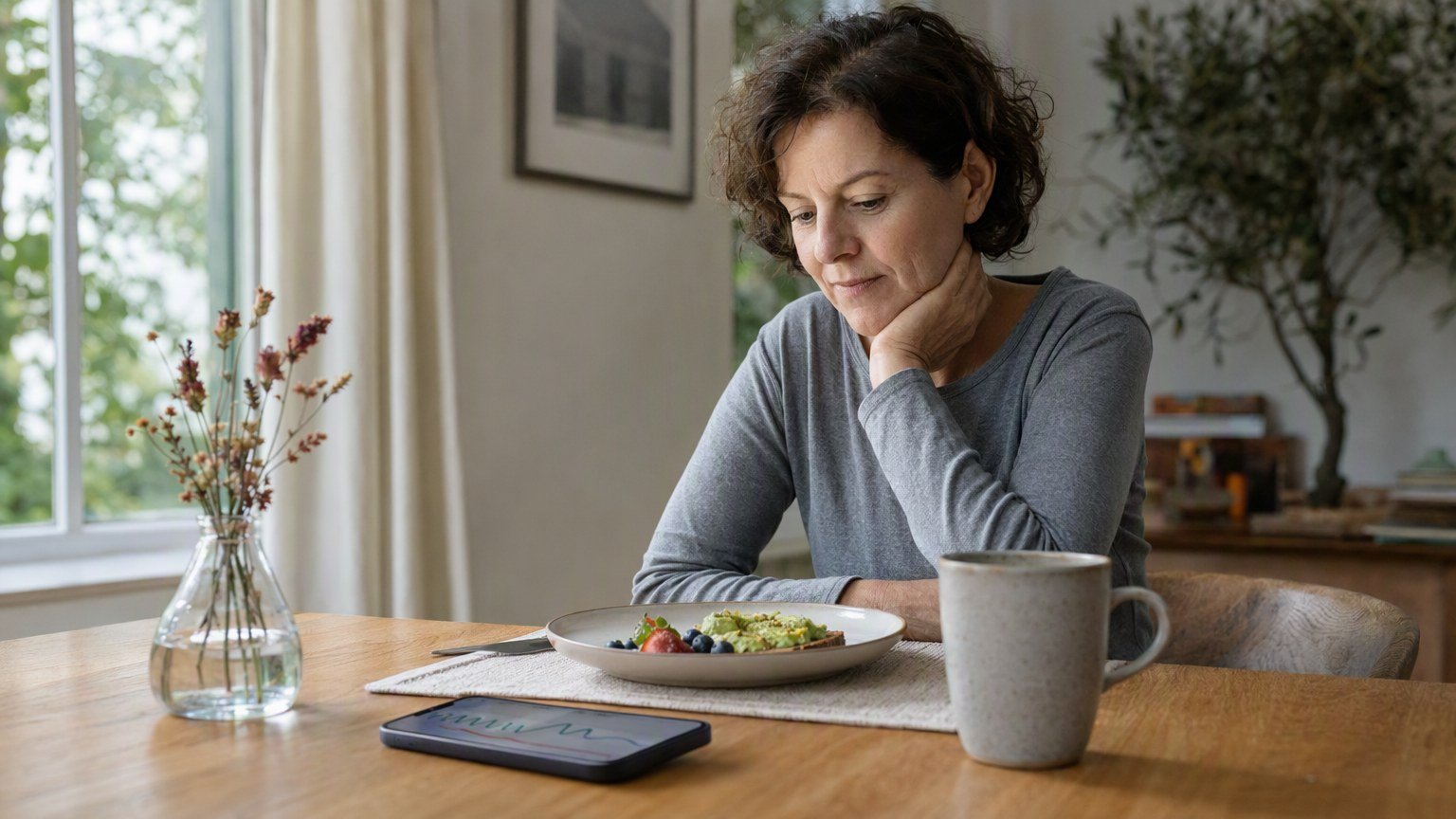
For the last decade or so, people with diabetes have been told to track everything. Log your meals, count your carbs, check your glucose, repeat. It’s exhausting. And here’s the thing – even when you do all that work, you’re still basically flying blind until after you eat. You make your best…
For the last decade or so, people with diabetes have been told to track everything. Log your meals, count your carbs, check your glucose, repeat. It’s exhausting. And here’s the thing – even when you do all that work, you’re still basically flying blind until after you eat. You make your best guess, take your insulin (or don’t), and then wait to see what your blood sugar does. Fun times.
Abbott’s new Libre Assist app is trying to flip that script. And honestly? It’s about time someone did.
AI That Actually Sees What You’re About to Eat
The concept is pretty straightforward, but the execution is where it gets interesting. You point your phone at your food – let’s say it’s a plate of pasta with marinara and a side salad – and the app uses generative AI to identify what’s there. Not just “pasta,” but the specific ingredients, portion sizes, the whole deal. Or you can type it in if you’re not in a photo-taking mood.

But here’s where it gets different from every other food-tracking app that’s tried to solve this problem: Libre Assist connects directly to Abbott’s FreeStyle Libre 3 Plus continuous glucose monitor. So it’s not just analyzing your food in a vacuum – it’s looking at your personal CGM data, your patterns, how your body has responded to similar meals before, and then making a prediction about what this specific meal will do to your glucose levels before you take the first bite.
That’s actually kind of a big deal. Because if you’ve ever lived with diabetes or known someone who has, you know that two people can eat the exact same meal and have completely different glucose responses. Hell, the same person can eat the same meal on different days and see different results depending on stress, sleep, exercise, the phase of the moon, whatever. The body’s weird like that.
It’s Personal, Not Generic
What makes this different from the nutrition calculators we’ve had forever is the personalization angle. This isn’t pulling from some generic database that says “spaghetti = X grams of carbs = Y blood sugar spike.” It’s learning from your data. Your actual, real-world glucose responses over time.
The app considers your dietary preferences too, which matters more than you’d think. Someone who’s been eating low-carb for months is going to respond differently to that pasta than someone who eats it regularly. Your body adapts, and apparently this AI is paying attention to that.
So Does It Actually Work?
Look, I’m naturally skeptical of anything that promises to use AI to solve complex health problems. We’ve seen plenty of overhyped health tech that sounds revolutionary in a press release and then turns out to be basically a fancy spreadsheet.
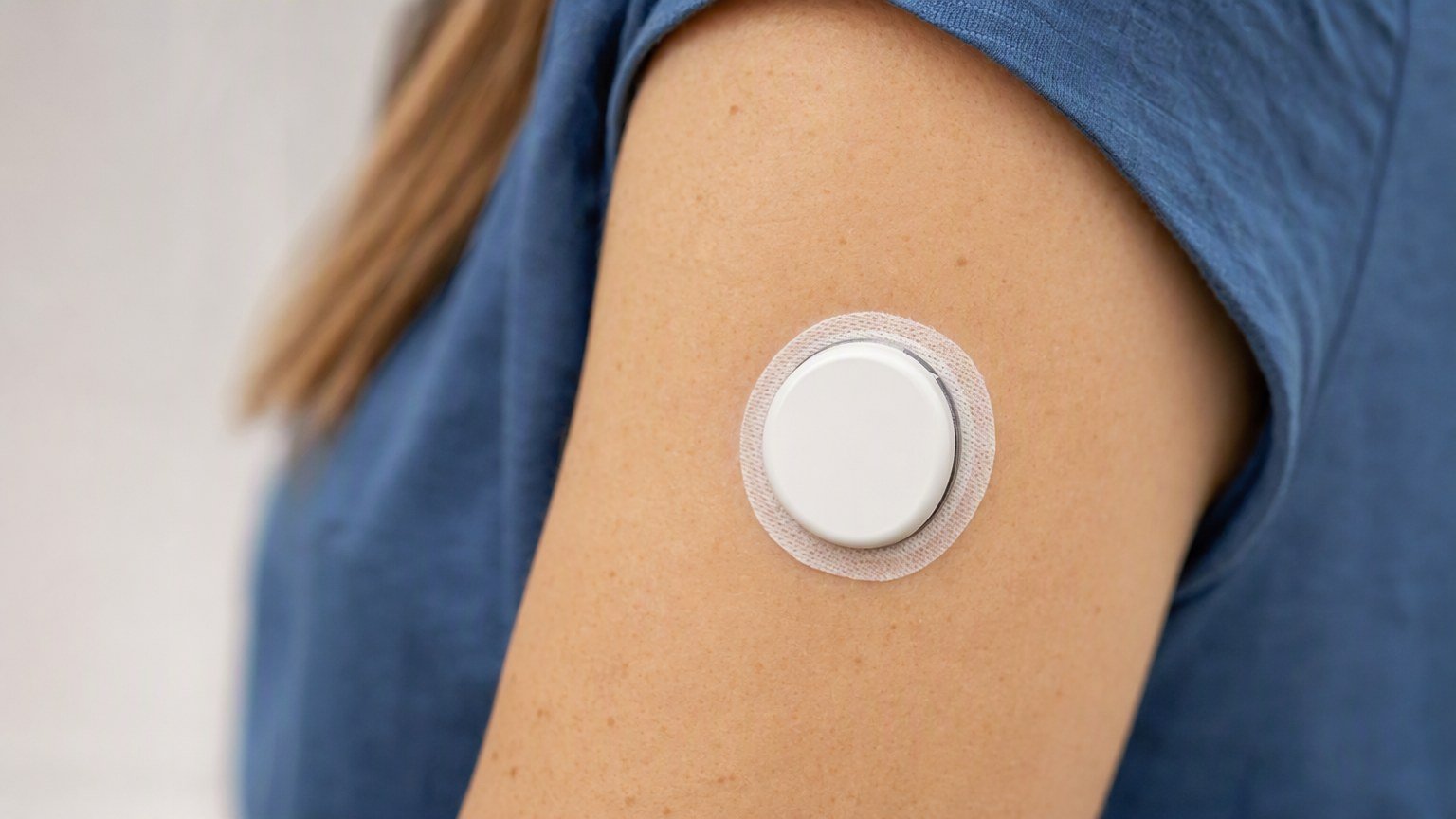
But the continuous glucose monitoring piece changes the equation. CGMs have been genuinely transformative for diabetes management – that’s not hype, that’s just reality. Having real-time glucose data instead of pricking your finger six times a day was already a massive leap forward. Now we’re talking about using that continuous data stream to actually predict what’s coming instead of just reacting to it.
The potential here is that people could make better decisions in the moment. Maybe you see that the pasta is going to spike you higher than you want, so you adjust your insulin dose proactively. Or you decide to swap it for something else. Or you know what, you really want the pasta, but now you can plan for a walk afterward to help manage the spike. The point is you’re not guessing anymore.
“For people living with diabetes, figuring out how different foods affect their blood sugar can feel like a never-ending guessing game.”
The Bigger Picture (And Why Timing Matters)
We’re seeing this launch right as AI tools are starting to move beyond chatbots and image generators into stuff that actually affects daily health decisions. That’s exciting, but it’s also where things get serious pretty fast. Getting a wonky AI-generated image is annoying. Getting bad health predictions could be genuinely dangerous. The same questions about AI reliability are haunting tech infrastructure in ways most people don't see – Microsoft's AI Doom Loop: How It Could Kill the Internet shows what happens when predictive systems start feeding on their own output.
Abbott’s advantage here is that they’re not starting from scratch – they already make the CGM that millions of people rely on. They’ve got the sensor technology down, they’ve got the data infrastructure, and presumably they’ve got the regulatory experience to know how to validate this kind of predictive tool properly. That matters a lot when you’re talking about medical devices. Other companies are wrestling with similar questions about when AI predictions are ready for critical decisions – What Anthropic's Mythos Exposed at Bank of America reveals how hard it is to know if these systems actually work before millions depend on them.
What’s less clear is how accurate these predictions actually are in practice. The company hasn’t released detailed accuracy data (at least not publicly), and that’s the kind of thing that’ll make or break trust with users. People with diabetes are already doing a ton of mental math every day – they’re not going to stick with a tool that’s wrong half the time. It has to be genuinely useful, not just clever.
What This Actually Means
I think we’re going to see a lot more of this – AI tools that plug into continuous monitoring systems to offer predictive insights instead of just reactive data. It makes sense for diabetes, but also for heart rate, sleep, activity, all of it. The sensors are getting better and cheaper, and the AI is getting better at finding patterns in messy biological data.
Whether Libre Assist becomes the standard or just another app people try once and forget about will depend entirely on whether it delivers consistent, trustworthy predictions. Diabetes management is already complicated enough. Nobody needs another tool that promises simplicity and delivers more noise. But if Abbott got this right – if the predictions are actually good enough to change behavior – then yeah, this could be pretty significant.
The guessing game might finally be getting a little less random. And for anyone who’s been playing it for years, that’d be a genuine relief.