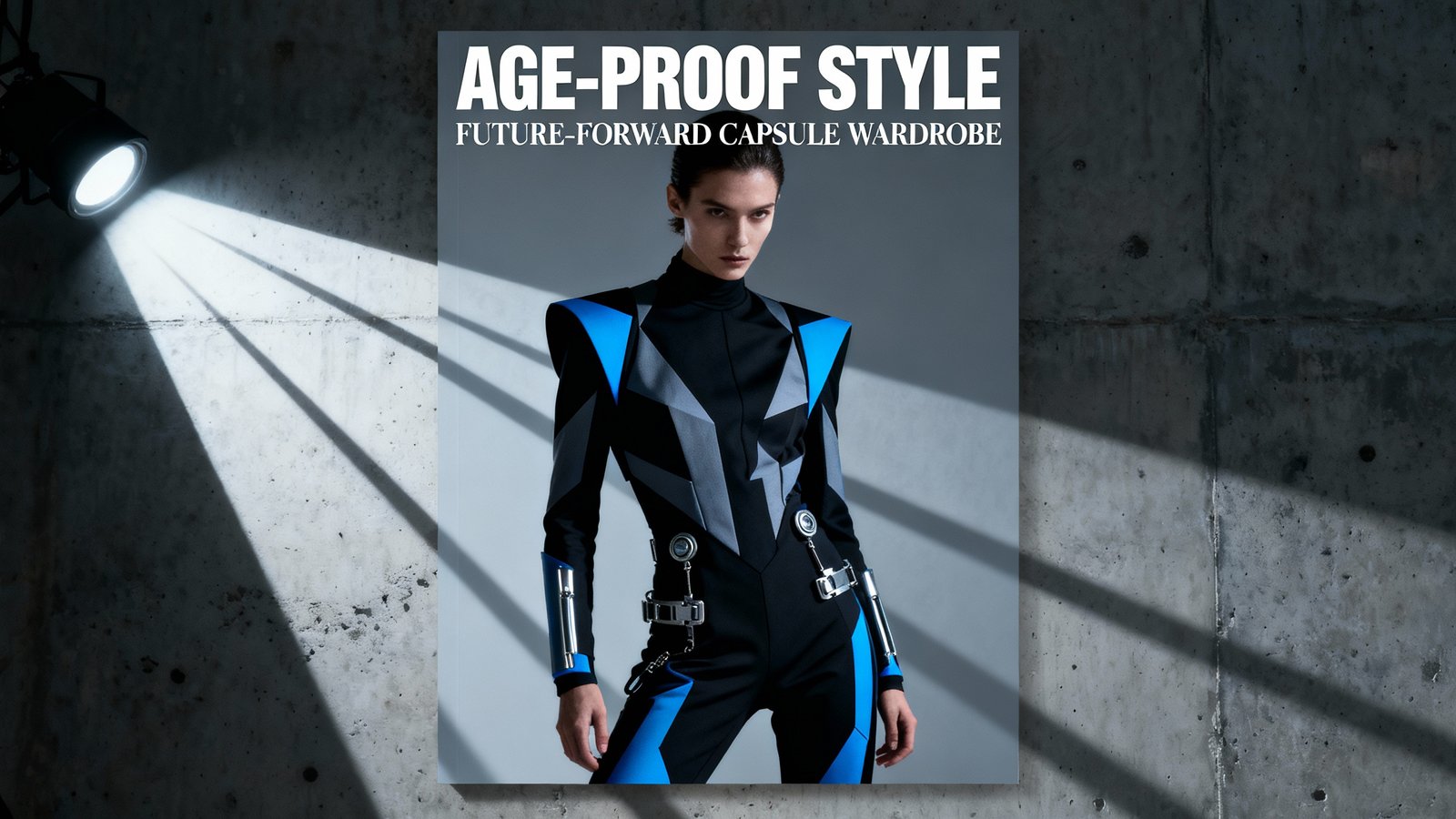
Seriously, Age-Proof Your Style?
Look, I’ve been writing about this stuff for fifteen years, give or take, and I’ve seen more “timeless essentials” come and go than I can count. Every few months, some expert-slash-influencer drops a bomb-shell list of items that are supposedly going to save your wardrobe, make you look younger, and probably cure world hunger while they’re at it. This time, it’s a stylist’s “2026 Capsule Picks” that are meant to “define the next two years of fashion.” I’m not gonna lie, when I first saw the headline, I rolled my eyes so hard I almost sprained something. “Age-proof your style”? Honey, if your style needs “age-proofing,” maybe the problem isn’t your clothes. It’s your mindset.
But here’s the thing, and I’m being honest here: while the premise feels a bit… much, the actual picks? They’re not completely off the reservation. We’re talking about things like structured blazers, wide-leg trousers, tailored vests, good quality knits, and a classic trench coat. Which, if I’m being brutally honest, sounds like… well, a pretty solid wardrobe for anyone over the age of, oh, twenty-five who wants to look put-together. It’s basically a fancy way of saying “dress like a grown-up who isn’t trying too hard.” Not exactly revolutionary, is it?
The Perennial Problem with “Capsules”
The thing is, we’re constantly being fed this idea that there’s a magic bullet for our wardrobes. A perfect capsule. A definitive list. But fashion, real fashion, isn’t static. It’s not a checklist. And it certainly isn’t a one-size-fits-all solution handed down from on high by someone who probably makes a commission on every Amazon click. (Just saying.) This idea of “age-proofing” your style with specific items, it kinda misses the point, doesn’t it? Style is personal. It evolves. And frankly, who cares if it shows your age a little? We’re all getting older. It’s called living.
So, What’s the Big Deal About 2026?
Okay, so a stylist is predicting these items will “define the next two years.” Why 2026? What’s so special about two years from now? Is there some fashion apocalypse coming in 2027 where all blazers spontaneously combust? I’m joking, obviously. But it highlights the slightly arbitrary nature of these pronouncements. It’s like they’ve gotta give it a date, make it sound urgent, so you feel like you’re missing out if you don’t jump on it now.
“Fashion should be about expression, not expectation. It’s not a formula you follow; it’s a story you tell.”
But, and this is a big “but,” I do get the appeal. We live in a world of endless choices, right? Go on Amazon, search “women’s clothing,” and prepare to be overwhelmed. A curated list, even one that feels a little dictatorial, can be a comfort. It can give you a starting point. And for someone who feels lost in the fashion current, a bit adrift, these lists can feel like a lifeline. “Here,” they say, “buy these seven things, and you’re good for two years.” It’s tempting, isn’t it? A quick fix for a complex problem.
The Meat of It: Beyond the Hype
Here’s the real analysis, if you ask me. These “capsule picks” – whether it’s the structured blazer or the wide-leg pant – they’re not trends. They’re classics. They’ve been around, in various iterations, forever. The blazer became a thing in the 19th century. Wide-leg pants? Hello, 70s chic, but also early 20th century comfort wear. A good knit sweater? That’s just sensible. A trench coat? Invented for soldiers in the trenches, hence the name, and still going strong over a century later.
What these stylists are actually doing, whether they mean to or not, is pushing people back towards quality over quantity. They’re subtly suggesting that instead of buying fifteen cheap, trendy tops that fall apart after three washes, maybe you should invest in one really good, well-made sweater. And that, my friends, is something I can actually get behind. That’s a sustainable message, even if it’s cloaked in the slightly obnoxious language of “age-proofing” and “2026 must-haves.” It’s less about the specific items, and more about the approach to buying them.
The problem, though, is the delivery. It’s always presented as “You need this!” instead of “Consider investing in these foundational pieces if they suit your personal style and budget.” That nuance? It often gets lost in the rush for clicks and affiliate links. And that’s where I, the old grumpy journalist, get a little antsy.
What This Actually Means
So, what’s the takeaway from all this “age-proof your style” business? Don’t fall for the hype. Don’t feel pressured to buy a whole new wardrobe just because some stylist (or a website promoting said stylist) says these are the only things that will matter for the next 730 days. Your style is yours. It’s a reflection of you, your life, your personality. And if you’re over, say, thirty, you probably already have a good sense of what works for you.
But, if you’re looking for a little guidance, if you are feeling a bit lost in the current fashion landscape, then consider these lists as suggestions, not commandments. Take a look at those “capsule picks” – the blazer, the wide-leg pants, the good knits. Do they resonate with you? Do they fit your lifestyle? Do you actually like them? If the answer is yes to all of those, then sure, maybe invest in one or two good quality versions. Not because they’re going to “age-proof” you or define 2026, but because they’re actually pretty classic, versatile pieces that might just make you feel good when you put them on. And honestly? That’s what real style is all about… feeling good. Not following rules.