
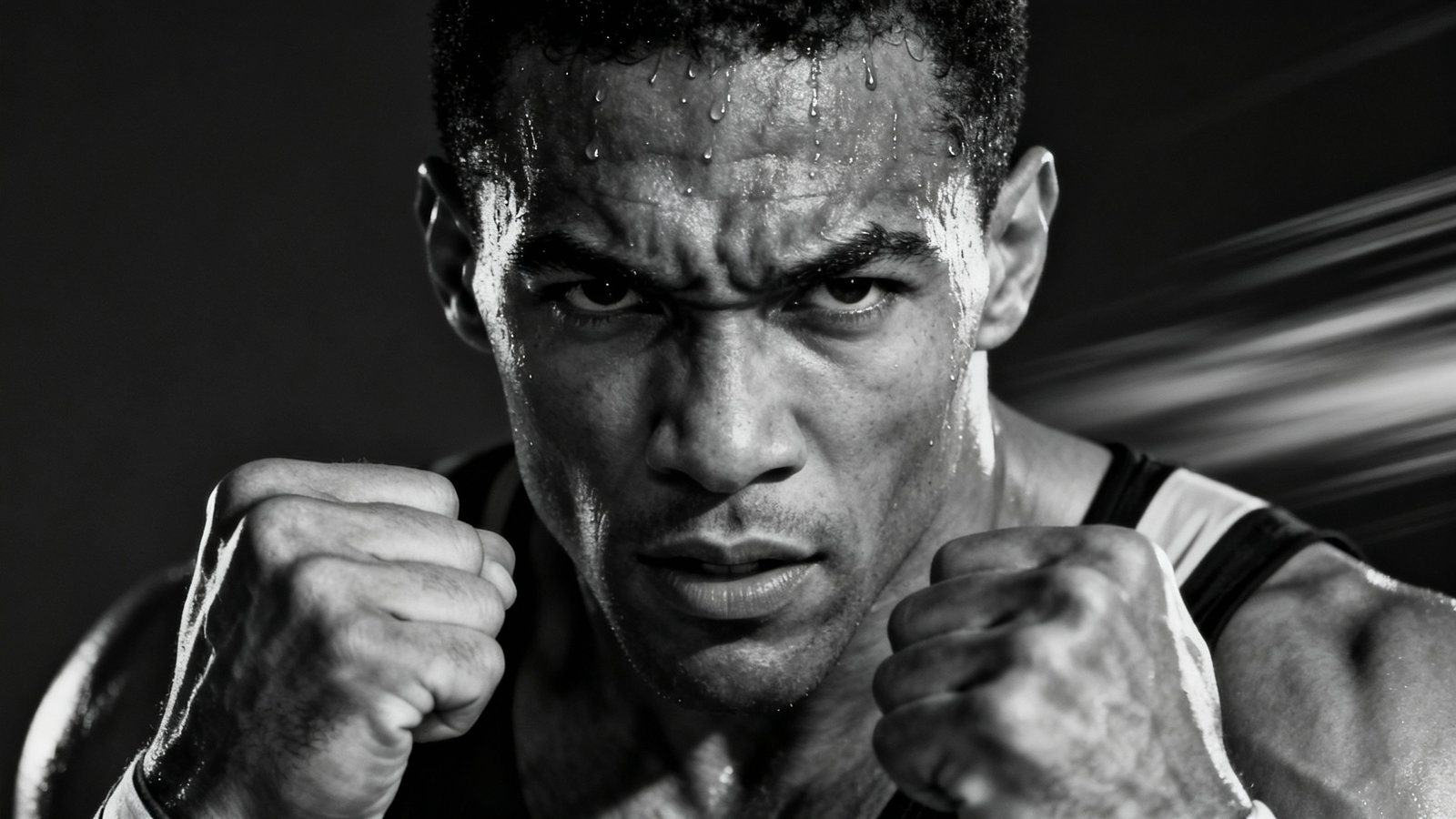
You know, for years, sports documentaries were… fine. They were like that friend who always shows up, does their part, but never really blows your hair back. You’d get the highlights, maybe a few talking heads, and a dramatic voiceover telling you how important the game was. And yeah, it was usually important. But did you ever really feel like you got inside the head of these legends? Like you understood the actual cost of being the GOAT? Nah, not really. Not until recently, anyway. And if we’re being honest, HBO Max-or just Max now, whatever-has basically rewritten the playbook on this stuff. They’re not just showing you the game; they’re showing you the whole damn war.
The Raw Truth Behind the Trophies
Here’s the thing: we love our heroes to be perfect. Unflappable. Machines of athletic prowess. We see the championships, the endorsements, the iconic photos, and we think, “Man, that must be the life.” But Max’s sports docs, they pull back the curtain on that fairy tale. They show you the absolute grind, the personal hell, the societal pressures, the sheer, unadulterated weight of being Muhammad Ali, or Tiger Woods, or Serena Williams. It’s not always pretty. And that’s what makes it so damn good.
I mean, take a guy like Ali. We all know the legend, right? “Float like a butterfly, sting like a bee.” The charisma, the boxing, the bravado. But the Max docs? They dig into the draft resistance, the exile, the Parkinson’s. They don’t just celebrate the glory; they force you to confront the very real, very human price he paid for standing up for what he believed in. It’s heavy. Really heavy. You see the joy, sure, but you also see the isolation, the frustration, the physical decline. It’s not just a boxing story; it’s a story about conviction, sacrifice, and a system that tries to crush you for being different.
And then there’s Tiger. Man, what a rollercoaster. For years, he was this untouchable figure, literally changing the face of golf. But the documentaries, especially the multi-part ones on Max, they don’t shy away from the darker stuff. The relentless pressure from his father, the injuries that almost broke him, the scandal that absolutely did break him publicly. It’s brutal to watch, honestly. You see this guy who was literally at the peak of human achievement in his sport, crumble under the weight of his own celebrity and personal demons. It makes you think about what we demand from our idols. And it’s not always fair, is it?
The Unseen Battles
What these docs do so well is peel back the layers on the stuff we, the fans, rarely see. The mental toll. The family struggles. The systemic injustices. It’s not just about who won or lost. It’s about what winning or losing actually did to them, as people. Like with Magic Johnson. We remember the “Showtime” Lakers, the smile, the championships. But then came the HIV diagnosis. The fear, the fight, the stigma. The docs show you that vulnerability, that moment where a titan of the game had to face something far bigger and scarier than any opponent on the court. It’s gut-wrenching, but incredibly powerful.
So, What About the Modern Legends and Fights?
This isn’t just about looking back at history, either. Max is tackling the current stuff, the fights happening right now. You look at LFG, the documentary about the U.S. Women’s National Team and their fight for equal pay. And oh boy, if that doesn’t get your blood boiling, I don’t know what will. These women are literal world champions, selling out stadiums, inspiring a generation, and they’re being paid less than their male counterparts who, let’s be real, haven’t had the same level of success internationally. It’s infuriating. And LFG doesn’t just tell you it’s unfair; it shows you the faces, the voices, the quiet desperation and the fierce resolve of these athletes who just want to be valued equally. It’s a battle that’s still going on, and these docs are crucial in keeping that conversation alive.
“It’s not just about the game anymore. It’s about the fight to be human in a world that often wants to dehumanize its heroes for profit.”
And then there’s Being Serena. Look, Serena Williams is an icon. Period. She’s probably the greatest tennis player of all time, male or female. But Being Serena isn’t just about her forehand. It’s about her journey as a woman, as a mother, as a Black athlete navigating a predominantly white sport, facing racism, sexism, and intense scrutiny. You see her struggles with childbirth, the complications, the comeback, the sheer pressure of trying to be everything to everyone while also maintaining her place at the top of an incredibly demanding sport. It’s a lot. And it’s a stark reminder that even the strongest among us have moments of profound vulnerability and challenge.
More Than Just the Headlines
The beauty of these Max docs-and yeah, they’ve got a bunch more, like I’m pretty sure they’ve got stuff on LeBron James, maybe some gritty looks at Shaquille O’Neal’s post-NBA life, and definitely some deeper dives into trailblazers like Billie Jean King beyond just the “Battle of the Sexes” stuff-is that they provide context. They give you the story behind the story. They don’t just report the headlines; they investigate the human cost of those headlines. They show you the sacrifices, the personal tolls, the family dynamics, the systemic issues that either propelled or hindered these incredible athletes. It’s not just about their physical feats; it’s about their character, their resilience, and sometimes, their very public failings. They make you care about these people, not just the numbers on a scoreboard.
And frankly, that’s what makes them so compelling. You’re not just watching a sports documentary; you’re watching a human drama unfold, often with stakes that go far beyond a trophy or a medal. You’re seeing the ugly side of fame, the struggle for identity, the fight for justice, and the sheer grit it takes to overcome truly monumental obstacles. It’s a reminder that even our biggest heroes are just people, flawed and magnificent all at once. And that, I think, is a story always worth telling. It definitely makes you look at that next highlight reel a little differently, doesn’t it? Yeah, it really does.
What This Actually Means
So, what does all this mean for us, the viewers? Well, for one, it means we’re getting some of the best storytelling, period, on a streaming platform. These aren’t just puff pieces or glorified highlight reels. They’re deep, often uncomfortable, explorations of what it means to be a legend, and frankly, what it means to be human under extreme pressure. It’s a shift from pure sports worship to something much more nuanced and impactful. And it’s important. Really important. Because it pushes us to see the whole person, not just the athlete. It makes us ask tougher questions about the systems these athletes operate within. And that, I think, is a win for everybody. It’s not just entertainment; it’s an education. And if you ask me, Max is leading the pack on that front. You really should check ’em out, if you haven’t already. You might learn a thing or two, you know?