The Great Right-Wing Shift, Or Just Paranoia?
Look, I’ve been doing this for a minute, fifteen years now, and I’ve seen platforms change. MySpace went from cool to ghost town, Facebook went from college kids to your grandma’s political rant factory. It happens. But this TikTok thing? This feels different. It feels… targeted. People aren’t just thinking their feeds are getting weirdly conservative, they’re seeing it. And the shift is apparently so stark that folks who’ve built entire communities, entire careers, on this app are just… pulling the plug. Deleting their digital lives, poof, gone.
And we’re not talking about a few fringe accounts here. This is a noticeable, widespread phenomenon. Progressive content, LGBTQ+ creators, anything vaguely left-leaning-it all seems to be getting buried. Or shadowbanned. Or just plain disappearing into the algorithmic abyss. Meanwhile, content that aligns with, let’s just say, a very specific brand of American conservatism? That stuff is apparently thriving. It’s popping up on “For You” pages like dandelions after a spring rain. And that’s not accidental, is it? Algorithms don’t just “decide” to become ideologically aligned. Someone, somewhere, is tweaking the knobs.
Why Would They Even Do This?
This is the million-dollar question, right? Why would a platform that’s been a vibrant, often chaotic, hub for everyone suddenly start pushing one political agenda so hard? Especially an agenda that’s pretty divisive, to say the least. Well, here’s the thing: TikTok’s future in the U.S. has been hanging by a thread for a while now. The whole “national security risk” song and dance, the calls for a ban, the forced sale talk-it’s been constant background noise. And when you’re under that kind of pressure, well, you start looking for friends in high places. Or, you know, friends in power.
Is This A Desperate Bid For Survival?
You don’t have to be a political strategist to connect these dots. If your company is facing an existential threat from the U.S. government, and one political party (the current conservative wing, in this case) holds significant sway over that government, what do you do? You might, just might, try to appease them. Show them you’re “on their side.” Prove you’re not some woke, liberal echo chamber. And if that means subtly (or not so subtly) boosting certain types of content and suppressing others, then hey, maybe that’s the price of doing business in America right now. It’s cynical, sure. But it’s also, I don’t know, kinda logical from a corporate survival standpoint, isn’t it?
“Experts are saying users aren’t just worried, they’re absolutely justified for fearing a MAGA makeover. That’s not just a hunch, that’s a professional assessment of what’s happening.”
And let’s be clear: this isn’t just about what you see. It’s about what you don’t see. The censorship fears are real. People are worried about their ability to express certain views, to find certain communities, to share information that doesn’t align with a very narrow viewpoint. And when that happens, when a platform starts feeling like a controlled narrative, people jump ship. Fast. Because who wants to be on an app where you feel like you’re walking on eggshells, or where your voice is just being muted? Not me, that’s for sure.
The Death Of The Open Forum?
What’s really at stake here, beyond just your daily dose of cat videos, is the idea of an open, relatively unfiltered online space. TikTok, for all its quirks and problematic elements (and believe me, there were plenty), offered a kind of democratic chaos that other platforms had lost. It was raw, it was often hilarious, sometimes deeply moving, and yeah, occasionally completely unhinged. But it felt real. It felt like people. And now, if these fears are true, if the algorithm is being manipulated to push a specific political agenda, then that’s gone. Poof.
This isn’t just a “tech issue,” as some might try to frame it. This is a content issue, a censorship issue, and ultimately, a freedom of expression issue. When a platform becomes beholden to a political ideology-or, more accurately, when it tries to appease one to survive-it loses its soul. It stops being a place for genuine connection and starts being a tool. And users, the smart ones anyway, they can feel that. They sense the shift. And they react.
What This Actually Means
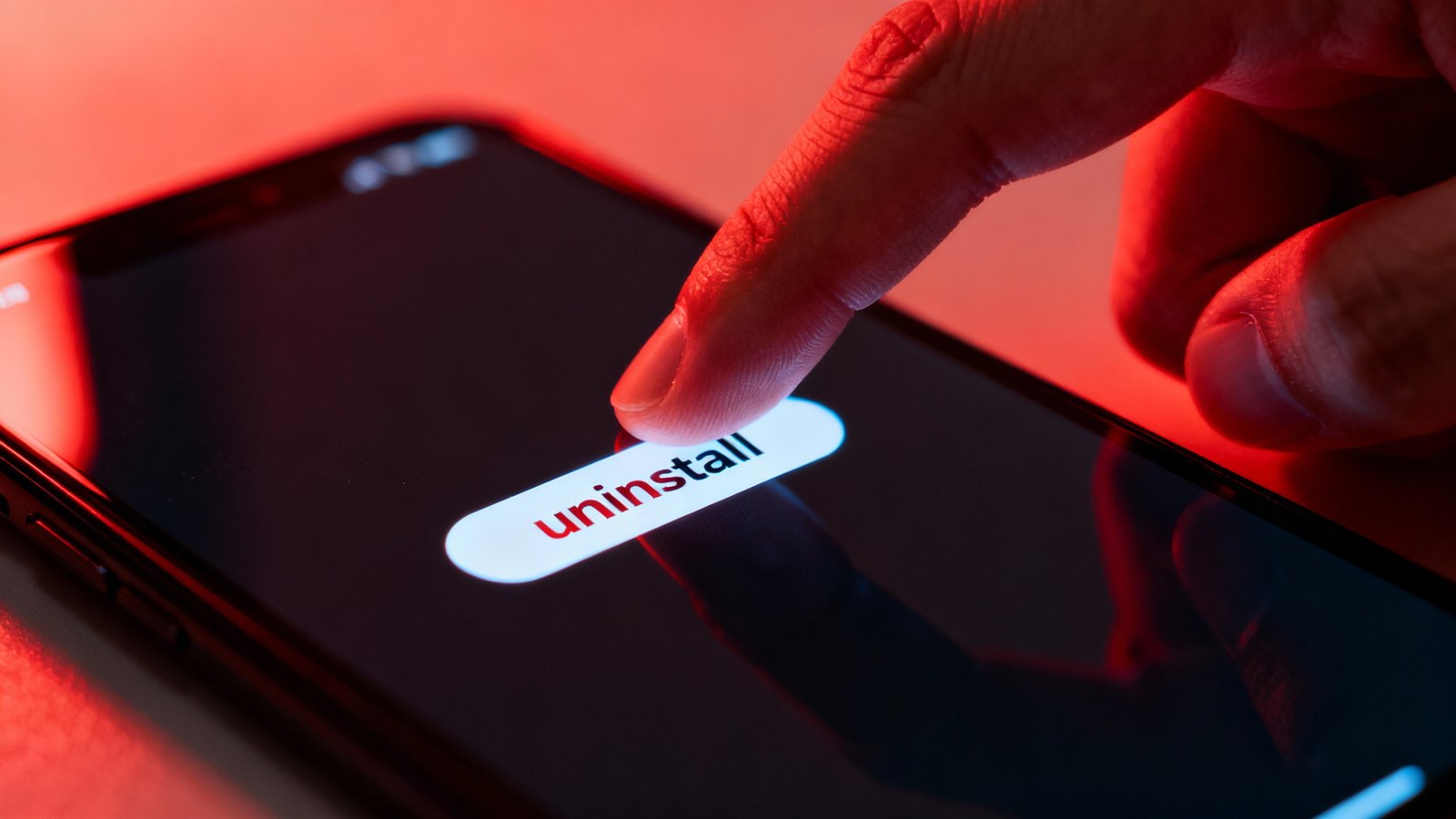
So, where does this leave us? Well, for a lot of people, it means saying goodbye to TikTok. They’re not waiting around to see if their favorite creators get banned, or if their feed turns into an endless stream of political rants they never asked for. They’re just deleting. And honestly? Good for them. Because if a platform can’t be trusted to provide a relatively neutral (or at least diverse) experience, then what’s the point?
It’s a stark reminder, yet again, that these platforms we spend so much time on aren’t public squares. They’re private companies, with their own agendas, their own pressures, and their own bottom lines. And when those bottom lines (or their very existence) are threatened, they’ll do what they think they need to do. Even if that means alienating a huge chunk of their user base.
What I wonder is, will another app rise up to fill this void? Or are we just doomed to cycle through platforms that eventually get co-opted, politicized, and then abandoned? It feels like we’re in a constant state of digital migration, always searching for that next truly open, truly human space online. And honestly, I’m getting tired of packing my bags. But for now, if TikTok really is leaning into the MAGA crowd, a lot of people are making a very clear statement with their delete buttons: “Not interested.” And that’s a powerful message.