Hold Up, Did He Just Say What I Think He Said?
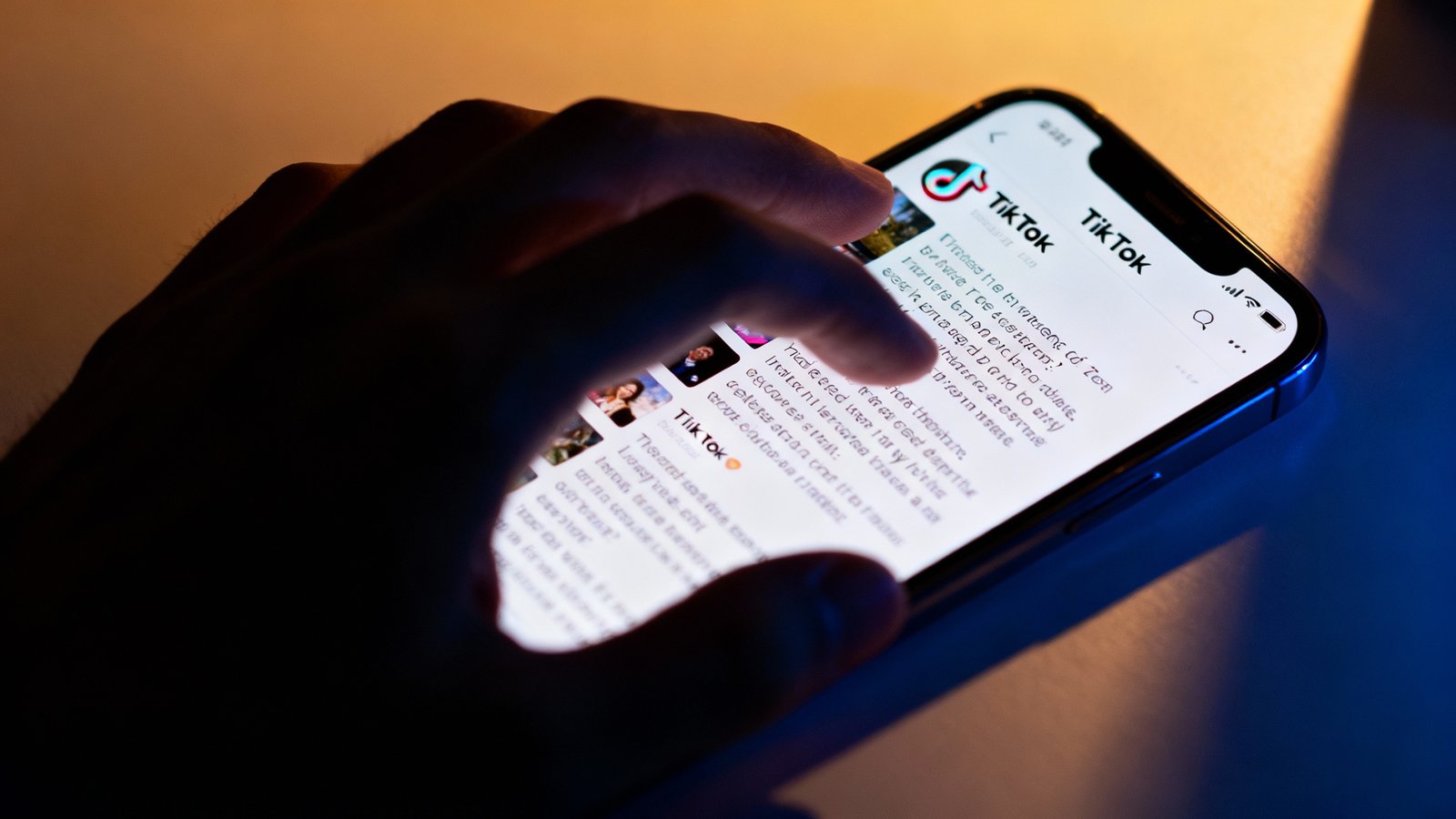
Yeah, he did. Newsom basically dropped a bomb, alleging that TikTok is actively suppressing stuff that doesn’t paint the current White House resident in a flattering light. Now, look, I’ve been watching these social media companies for years, and the accusations of bias, censorship, algorithm manipulation – they’re not new. Not even a little bit. It’s practically a Tuesday in tech journalism. But for a high-profile governor to just come out and name names like this? That’s kinda different. That’s big. Really big.
It’s not just some random internet dude on Reddit (no offense to random internet dudes, you know who you are). This is a governor – a pretty prominent one, who probably has access to more intel than your average Joe, or even your average journalist. So, when he points a finger at a platform as massive as TikTok, you gotta wonder, what does he know? What has he seen? Is this political posturing, or is there some actual fire behind that smoke? Because if it’s true, if a platform with hundreds of millions of American users is intentionally shaping what we see and don’t see, especially when it comes to political discourse, well, that’s a whole other ballgame. That’s not just “influencing,” that’s getting dangerously close to outright information control.
The TikTok Problem, Reimagined
We’ve all talked about TikTok’s China problem, right? The data security, the potential for Beijing to snoop, all that jazz. But this accusation from Newsom? It’s less about the where the data goes and more about the what gets amplified or buried. It’s about narrative control. And that, my friends, is a terrifying thought when you’re talking about a platform that dictates trends, news, and even political opinions for a massive chunk of the population.
Is Anyone Surprised, Though?
Honestly? Part of me is like, “Well, duh.” These platforms, all of them, have algorithms. And algorithms, no matter how “neutral” they claim to be, are designed by humans, with human biases, and human directives. They’re built to optimize for something. Engagement, ad revenue, maybe even a certain political narrative if the powers that be decide that’s the path.
“The digital town square isn’t really a town square anymore. It’s more like a private club with bouncers who decide who gets to speak, and what they get to say.”
Think about it. We’ve seen other platforms accused of leaning left, leaning right, suppressing vaccine info, amplifying conspiracy theories – you name it. It’s a constant whack-a-mole game. But the idea that a foreign-owned company might be subtly (or not so subtly) pushing or pulling content related to American politics, specifically the sitting President? That’s not just about free speech anymore. That’s about potential foreign interference in our domestic conversations, and by extension, our democracy. And that, I gotta say, gives me the creeps.
The Meat of It: What This Actually Means
Here’s the thing: proving this kind of algorithmic censorship is incredibly difficult. TikTok, predictably, will deny it. They’ll talk about community guidelines, fighting misinformation, upholding safety, all the standard PR lines. They’ll say their algorithm is just trying to show you what you want to see, or what’s popular. And maybe, parts of that are true. But the devil, as always, is in the details. The tiny tweaks, the subtle demotions, the content that just doesn’t quite make it to the “For You Page” even if it’s perfectly legitimate criticism. That’s where the real manipulation happens.
This isn’t just about Newsom trying to score political points – though let’s be real, politicians gonna politic. It’s about a much larger, frankly terrifying question: Who controls the information pipeline? Who decides what we see, what trends, what goes viral, and what gets shunted into the digital abyss? If a platform can quietly bury content critical of a president, what else can it do? What else is it doing? And what happens when the next election rolls around, and suddenly certain narratives just… disappear, or others magically get amplified?
It means we can’t trust these platforms to be neutral arbiters of information. We never really should have, but it’s time to stop pretending. It means we, as users, have to be more skeptical than ever. And it means regulators, lawmakers, and frankly, anyone who cares about open discourse, needs to start looking a whole lot harder at how these algorithms are built, and what they’re really designed to do. Because if Newsom’s right, we’re not just scrolling for entertainment anymore; we’re walking through a carefully curated funhouse mirror, and we don’t even know who’s holding the glass.