
Look, I’m not trying to be a fearmonger here. Really, I’m not. But when I read about the Nipah virus popping up again – specifically in Kerala, India, right? – and then I see that little detail about it having a mortality rate of up to 75 percent and, oh yeah, no cure… well, my alarm bells start clanging. Hard. You probably remember COVID-19, huh? Yeah, me too. And this feels like a nasty case of déjà vu, but with a potentially even more terrifying punch.
Here We Go Again, Folks
Seriously, folks, how many times do we have to play this game? A deadly virus, jumps from animals to humans – that’s “zoonotic” for those playing at home – and suddenly we’re all scrambling. Nipah isn’t new, not by a long shot. It first showed up in Malaysia in the late 90s, wiping out pig farmers and, frankly, a lot of pigs. And since then, it’s popped up in Bangladesh, India… it’s like a bad penny that just keeps turning up.
The thing is, this isn’t some obscure disease in a textbook. It’s real, it’s happening, and it’s killing people. The People.com article was pretty clear about it: “officials report outbreak of deadly Nipah virus, which has no cure.” No cure! Think about that for a second. In this day and age, with all our fancy science and vaccines and everything, we’re still looking at a virus where if you get it, you’re basically rolling the dice on a three-out-of-four chance of not making it. That’s not just serious; that’s terrifying.
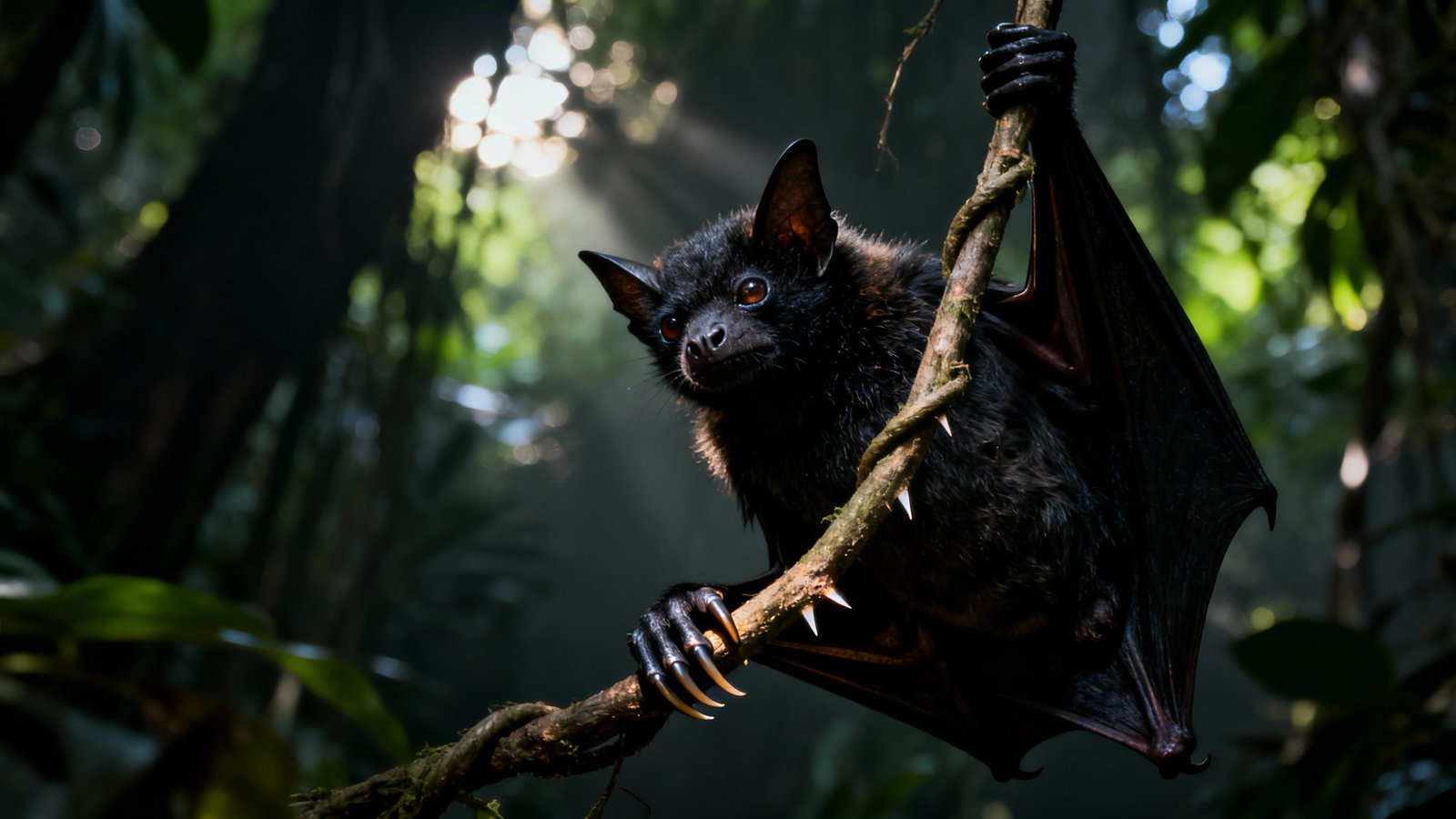
And what’s the first thing you think of when you hear “zoonotic” and “high mortality”? For me, it’s bats. Specifically, fruit bats. They’re the natural hosts for Nipah, and they’re pretty good at carrying it around without getting sick themselves. They just kind of, you know, do their bat thing, flying around, eating fruit, and maybe dripping a little something-something that gets on a pig, or a date palm sap collection pot, or direct onto a human who just happens to be in the wrong place at the wrong time. It’s a classic story, really. Humans encroaching on wild spaces, animals getting stressed, viruses looking for new homes. We’ve seen this pattern before, way too many times.
The Bat Connection (and Why It Matters)
So, the bats are key here. They’re not doing it maliciously, obviously. They’re just being bats. But as we expand, as we farm closer to forests, as we disturb their habitats, the chances of these viruses jumping become, well, higher. A lot higher. And Nipah isn’t just a cough and a sniffle. It can cause encephalitis – brain swelling – which is nasty. Really nasty. Symptoms can start with fever, headache, dizziness, vomiting… but then it can escalate to seizures, disorientation, coma. And then, often, death. And this is why it’s so concerning. It’s not just contagious, it’s brutally effective at killing its hosts once it gets a foothold.
So, Is This the Big One? (Again?)
Is Nipah the next pandemic? That’s the million-dollar question, isn’t it? And if I’m being honest, it’s not entirely clear yet. The good news – if there is any “good” news with a virus like this – is that it doesn’t seem to spread as easily or as rapidly from person to person as, say, influenza or SARS-CoV-2 did. That’s a huge mitigating factor. You typically need close contact with an infected person, or with contaminated animal products, or maybe fruit that a bat’s had a good chew on. It’s not generally airborne in the same way. Not from what we can tell right now, anyway.
“We can’t keep waiting for these things to explode before we pay attention. Nipah is a screaming alarm bell for global health preparedness, and frankly, we’re still fumbling for the snooze button.”
But here’s the thing. While it might not spread like wildfire, its deadliness means even a small outbreak is a humanitarian disaster. And viruses, you know, they mutate. They adapt. Who’s to say a strain won’t emerge that’s more transmissible? That’s the nightmare scenario. We saw with COVID how quickly a novel virus can bring the entire planet to its knees. Nipah has the mortality rate of something out of a horror movie. If it ever developed efficient human-to-human transmission… well, I don’t even want to finish that thought.
What Everyone’s Missing (Or Ignoring)
What really drives me nuts is how quickly these things become old news. An outbreak happens, the news cycle picks it up for a week, maybe two, and then it’s gone. But the virus isn’t gone. The threat isn’t gone. We keep treating these events as isolated incidents instead of what they really are: flashing red lights on a dashboard that’s telling us our global health system has some serious cracks. The world, honestly, is still reeling from COVID, and we’re not exactly set up for the next big one. Not really.
And it’s not just about vaccines, though those are critical. It’s about surveillance. It’s about understanding how these viruses jump. It’s about protecting habitats and preventing spillover events in the first place. It’s about equitable access to healthcare and rapid response teams in vulnerable regions. Because guess what? A virus doesn’t care about borders. What starts in a small village in Kerala can, theoretically, become a global problem if we’re not vigilant. And by “we,” I mean everyone, from local health officials to the World Health Organization to governments making budget decisions.
We’ve gotta invest in proactive measures, not just reactive ones. We need better ways to detect these things early, to contain them, and to develop treatments and vaccines faster than we ever have before. Because relying on “it doesn’t spread easily” is a flimsy shield against a virus that kills 75% of the people it infects. That’s a gamble I don’t think any of us should be willing to take, not after what we’ve just been through.
What This Actually Means
So, what does this all mean for you, for me, for everyone? It means we need to pay attention. Nipah might not be the next pandemic in the sense of a global shutdown tomorrow, but it is absolutely, unequivocally, a warning shot. A very loud, very deadly warning shot. It’s showing us what’s out there, what nature is capable of, and how unprepared we still are for a truly lethal, fast-spreading pathogen.
This isn’t just some exotic disease for faraway lands. It’s a reminder that our health is interconnected with the health of animals and the environment. We can’t ignore these outbreaks just because they’re not on our doorstep yet. Because if we do, if we keep our heads in the sand, then one day, one of these things – whether it’s Nipah or something else – will absolutely be on our doorstep. And then, well, then it’s too late for alarm bells. Then it’s just silence.
And that, my friends, is a silence I really, really hope we never have to hear.