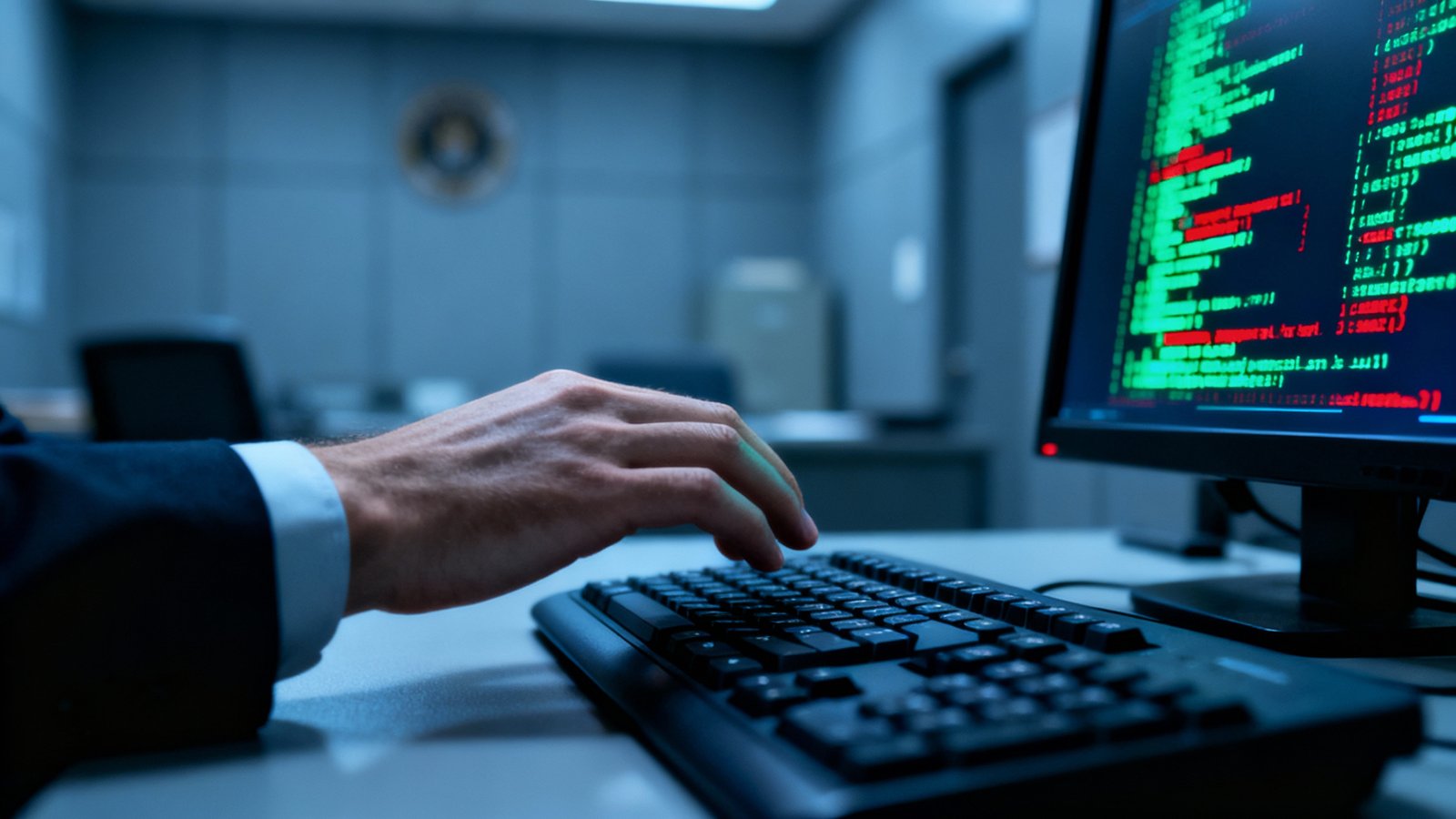
Who’s Guarding the Henhouse, Anyway?
Okay, so the actual acronym here, from what I can dig up, seems to be the Department of Government Ethics. Not exactly a household name, is it? Which, honestly, kinda makes this whole thing even more unsettling. We’re not talking about some shady tech startup or a fly-by-night data broker here. We’re talking about a government agency. An agency, by the way, that’s supposed to be about, you know, ethics. Irony, much?
The Department of Justice – the big guns, the DOJ – they’re the ones who dropped this bomb. They’re saying employees at DOGE (still feels weird to type that, like I should be buying crypto) may have improperly accessed Social Security data. Improperly accessed. That’s a pretty polite way of saying “they looked at stuff they shouldn’t have.” My SSN. Your SSN. Potentially, a whole lot of SSNs.
Here’s the thing about your Social Security Number: it’s basically the master key to your entire financial life. It’s not like a credit card number you can just cancel and get a new one. That thing sticks with you forever. And if someone gets their grubby little hands on it, well, you’re looking at a world of hurt. Identity theft, fake loans, ruined credit – the works. It’s a nightmare. A real, actual nightmare. And now, we’re finding out that people inside the government might’ve been doing this.
The Usual Suspects?
Look, I’ve been writing about this stuff for a long time. Fifteen years, give or take, and it’s always the same song and dance. “Oh, we’re so sorry. We’re investigating. We’re implementing new safeguards.” Blah, blah, blah. But then it happens again. And again. And again.
It feels like every other week, some massive corporation or, apparently now, some government entity, is admitting they messed up and let our most sensitive data just kinda… float around. And the truth is, a lot of us just shrug our shoulders because we’re so desensitized to it all. “What can you do?” we ask. Well, that’s a damn good question, isn’t it? What can we do when the very institutions we’re supposed to trust with this information are the ones letting us down? It drives me nuts. Absolutely nuts.
So, What’s the Real Damage Here?
“Improperly accessed” is vague, right? Was it a rogue employee? A system flaw? Did someone just forget to lock the digital door? The report I’m seeing from Axios – and get this, it’s dated 2026, which makes you wonder if we’re dealing with some future leak or just a really, really long lead time – it doesn’t spell out the specifics of how or why. And that’s usually where the real scary stuff hides.
It’s not just about what happened today. It’s about what could happen tomorrow, next month, next year. An SSN, once compromised, is compromised forever. There’s no undo button. You’re constantly looking over your shoulder, checking your credit report, freezing accounts, just hoping that someone out there isn’t using your life as their personal piggy bank. And the emotional toll of that? It’s huge. It really is.
“The sacred trust between citizen and government is shattered when the very data meant to secure our identities becomes a playground for the careless or the malicious within its own walls.”
Third Section
The thing is, we hand over our SSNs to the government for pretty much everything. Taxes, benefits, hell, even getting a driver’s license sometimes. We’re told it’s for our own good, for security, for proper record-keeping. And we mostly just go along with it, because what choice do we have? It’s a non-negotiable part of living in a modern society.
But then you hear something like this, and you just feel like a chump. Like all that trust, all that compliance, it was just… misplaced. And for an agency focused on ethics to be caught up in something like this? It’s a black eye. A really, really big one. It makes you wonder how many other agencies, how many other databases, are just as vulnerable. Or worse, how many other “improper accesses” are happening right now that we just don’t know about yet. I mean, seriously, who’s watching the watchers? Who is actually ensuring that these people, with access to our most private information, are doing the right thing? Because clearly, someone wasn’t.
And let’s be real, the consequences for these “improper accesses” are often pretty minimal. A stern talking-to. Maybe a lost job for the individual. But what about the systemic failures? The lack of oversight? The culture that allows this kind of thing to happen? That’s where the real problem lies, and that’s the stuff that rarely gets fixed. It’s like putting a band-aid on a gaping wound and calling it a day.
What This Actually Means
For you and me, what does this DOGE debacle mean? It means another reminder that your personal data, especially your SSN, is probably out there somewhere, floating around, just waiting for the wrong person to grab it. And this time, it might have been from inside the very systems meant to protect it. It’s infuriating, really.
It’s not just about identity theft anymore; it’s about a complete erosion of trust. When the government, the institution that demands our most sensitive information, can’t even keep it secure from its own employees, where does that leave us? Basically, on our own. You need to be hyper-vigilant. Check your credit reports. Freeze your credit if you can. Assume the worst, because honestly, that’s often what happens.
This isn’t a call to action with a clear path forward, because there isn’t one that feels satisfying. It’s more of a scream into the void. A frustrated sigh. Another mark in the long, long list of times we’ve been let down by those who promised to protect us. And until someone, somewhere, actually gets serious about data security and accountability, this story, with different acronyms, is just going to keep repeating itself… and we’re the ones left picking up the pieces.