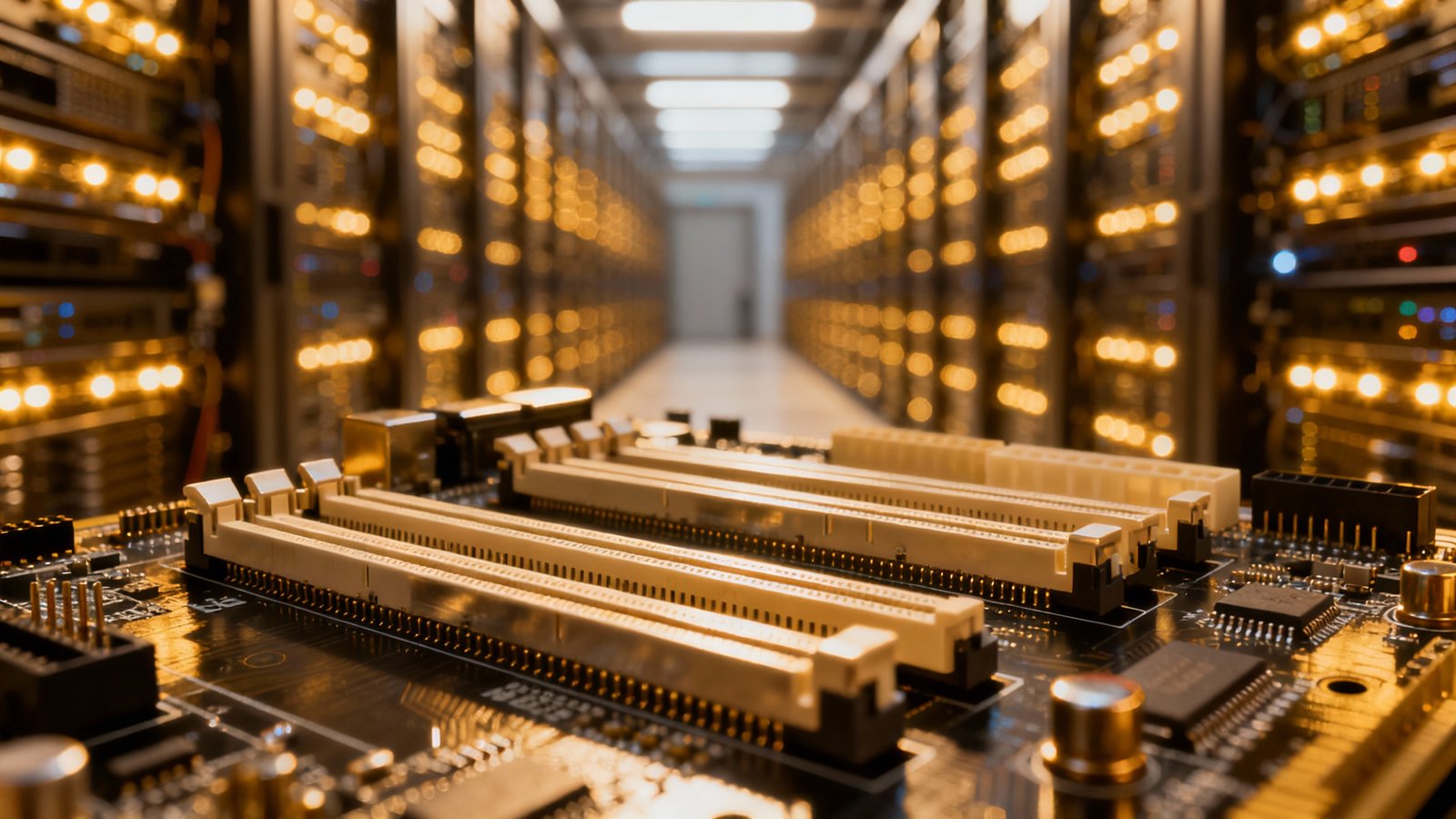
Seventy percent. That’s not a typo. Seventy. Percent. Of all the memory chips – RAM, you know, the stuff that makes your computer actually run things without crawling like a snail stuck in molasses – seventy percent of that, made in 2026, is already spoken for. Not for you, not for your next gaming rig, not for your kid’s new laptop. Nope. It’s for data centers. The big guys. And get this: the shortage? It’s gonna last until at least 2029. We’re talking about manufacturing capacity for 2028 that hasn’t even been made yet, and it’s already sold. Seriously? This isn’t just a shortage; it’s a digital land grab, and we’re the ones getting left out in the cold.
Welcome to the RAM Wars, Folks
Look, if you’ve been trying to buy a new graphics card anytime in the last, oh, five years, you already know this song and dance. Cryptocurrency miners, then supply chain nightmares, then scalpers, then, well, you name it. But this feels different. This isn’t just a temporary hiccup or some weird market anomaly. This is a fundamental shift in who gets access to the building blocks of modern computing. It’s the big tech giants – Amazon, Google, Microsoft, Meta, all those folks running the ‘cloud’ (which, by the way, is just someone else’s computer farm) – basically saying, “Yeah, we’ll take all of that.”
And why are they doing it? Two words: Artificial Intelligence. Everyone and their grandma is trying to build the next big AI thing, right? ChatGPT, DALL-E, all those fancy algorithms that need absolutely insane amounts of processing power, and guess what powers that? RAM. Tons and tons of it. It’s like a gold rush, but instead of picks and shovels, everyone’s fighting over memory modules. They’re not just buying it up; they’re pre-ordering it years in advance, essentially locking out anyone else from even getting a sniff.
Your PC Upgrade? Forget About It.
What does this mean for us, the regular people? The gamers, the content creators, the folks who just want a snappy PC that doesn’t cost an arm and a leg? Well, it means a few things, none of ’em good. For starters, prices are gonna go through the roof. If you thought RAM was expensive before, just wait. Scarcity drives prices up, always. And if you even manage to find some, it’s probably gonna be at a premium that makes your eyes water. And let’s not even talk about trying to build a new system. Good luck finding enough sticks to fill those slots without selling a kidney.
I mean, think about it. If 70% of the supply is gone before it’s even manufactured, what’s left for the consumer market? A paltry 30%? And that’s if manufacturers can even scale up fast enough, which, historically, they haven’t been great at when demand spikes this hard. We’re looking at a future where upgrading your home PC feels like trying to find a unicorn that also dispenses cash. It’s not just an inconvenience; it’s a barrier. It basically puts a cap on what you can do at home, pushing more and more power into the hands of these data center behemoths.
Who Cares About Your Gaming Rig Anyway?
That’s the unspoken question, isn’t it? From the perspective of a multi-billion-dollar tech company, who cares if some dude can’t get his 64GB of DDR5 for his custom build? They need hundreds of terabytes, petabytes even, to train their latest AI model or run their global cloud infrastructure. Our individual needs are a drop in their ocean of demand. And that’s where the problem really starts to bite.
“This isn’t just about supply and demand; it’s about control. The future of computing is being decided by who can buy the most, the fastest, and the earliest. And it sure as hell ain’t us.”
We’ve seen this pattern before, haven’t we? Remember when GPUs were impossible to find? Or even before that, when SSDs were super pricey because NAND flash was scarce? It always corrects eventually, or so they say. But this feels more systemic. AI isn’t a passing fad like crypto mining (well, maybe it is, but it’s a much bigger fad). It’s seen as the next frontier, the thing that’s going to revolutionize everything. And to get there, these companies are willing to Hoover up every single memory chip they can get their hands on, effectively creating a two-tiered system: the haves (the cloud giants) and the have-nots (everyone else).
The Long Shadow of the Cloud
So, what’s the endgame here? Are we just going to accept that high-performance computing is primarily a service, not something you do at home anymore? That if you want to run anything truly powerful, you’ll have to pay Google or Amazon for the privilege? It sure as heck seems that way. This isn’t just about RAM; it’s about the centralization of computing power. It’s about moving from a world where innovation could happen in a garage with a powerful PC, to one where you need access to a data center to do anything truly cutting-edge. And that’s a scary thought, if you ask me.
It’s not entirely clear yet how the memory manufacturers are going to respond. Can they ramp up production enough to satisfy both the insatiable hunger of data centers AND leave something for the rest of us? Or are they just going to chase the bigger, more lucrative contracts? My money’s on the latter. It’s a business, after all. And big tech has bigger pockets.
What This Actually Means
Here’s the honest truth: for the average consumer, this means your PC upgrades are going to be more expensive, harder to find, and probably less frequent. It means that the bleeding edge of technology, the stuff that needs truly massive amounts of RAM, will largely be out of reach unless you’re tapping into a cloud service. It’s a subtle shift, but a significant one. It’s the commoditization of raw computing power, but only for those who can afford to buy it in bulk.
So, if you’re thinking about building a new rig or upgrading an old one in the next few years, you might want to start saving now. And maybe lower your expectations a bit. Because from what I can tell, the future of RAM isn’t about empowering individuals; it’s about feeding the beast. And that beast? It’s hungry. Really, really hungry. We’re just living in its shadow, waiting for the scraps.