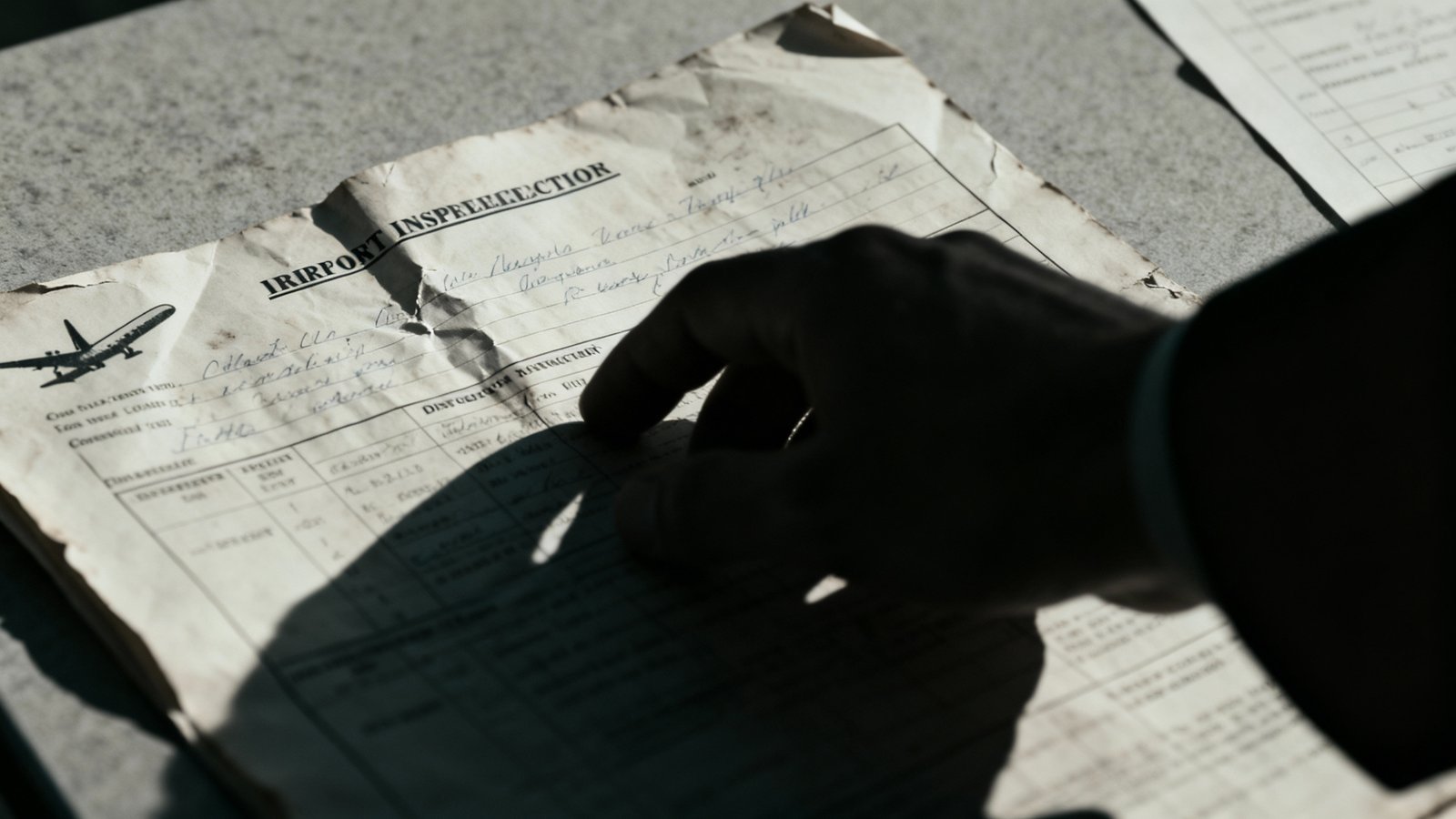
Another Day, Another Boeing “Oops”
Look, I’ve been doing this for fifteen years, and honestly, sometimes I feel like I’m just writing the same damn story over and over. “Company X cut corners, people died, company X knew all along.” It’s a broken record, but this time it’s Boeing, and it’s UPS, and it’s another crash that probably, just probably, could’ve been avoided.
The National Transportation Safety Board, those folks who dig through the wreckage and figure out what went wrong, they’re not pulling punches. They’re saying Boeing was aware of design flaws in the cargo plane that went down. Flaws. Not a little glitch. Not some unexpected wear and tear. Actual design flaws. So, this wasn’t some freak accident from what I’m gathering. This was baked in, a known quantity.
And that’s the part that really gets under my skin. It’s one thing for something unforeseen to happen. Planes are complex machines, right? Things break. But when the people who design and build these things know there’s a problem, a potential killer lurking in the blueprints, and they don’t fix it… Well, that’s not an accident anymore. That’s negligence. That’s a choice. And it’s a choice that cost two lives, two pilots just doing their job, flying cargo, probably thinking about getting home to their families.
The Silent Knowledge
What’s interesting here, or maybe infuriating is a better word, is how long this stuff festers. How many internal memos get shuffled around? How many engineers raise red flags that get swatted down by some bean-counter worried about the bottom line? You gotta wonder, don’t you? How many people at Boeing saw these “flaws” and just… went along with it? Or felt like they couldn’t speak up? Because someone, probably a lot of someones, knew this was a problem before that plane ever left the ground for its final flight.
When Does Profit Become Criminal?
This isn’t an isolated incident with Boeing, is it? Not by a long shot. We’ve seen this pattern before, haven’t we? It’s like a bad habit they just can’t kick. And it’s always the same story: profit over safety. Always. It’s a race to the bottom, pushing planes out the door, trying to hit those quarterly numbers, and who cares if a few bolts are loose or a design is inherently dodgy? Who cares about the guys in the cockpit?
“The truth is, when a company knows about a problem and doesn’t fix it, they’re making a calculation. And that calculation often puts a dollar sign above a human life. It’s disgusting, frankly.”
It makes you question everything, doesn’t it? Every time you see a Boeing plane, you’re gonna think about this. You’re gonna wonder what else they know. What other ticking time bombs are up there, flying around, because some exec decided a recall or a redesign was too expensive. I mean, come on. This isn’t making widgets in a factory. This is human lives we’re talking about. The stakes couldn’t be higher. And yet, the same cavalier attitude seems to persist.
What This Actually Means
Here’s the thing. When a company as massive and influential as Boeing repeatedly gets caught with its hand in the cookie jar – or rather, with known safety defects in its aircraft – it erodes trust. Not just in Boeing, but in the entire system that’s supposed to regulate them. Where were the watchdogs? How did these “flaws” slip through the cracks for so long, even after they were identified internally? And what happens now? A slap on the wrist? A fine that’s just a rounding error in their balance sheet? That’s what usually happens.
It’s not enough. It really isn’t. We need more than just investigations and reports. We need accountability that actually, you know, hurts the people making these decisions. Not just the company’s stock price, but the actual individuals who sign off on these dangerous practices. Because until that happens, until someone faces real, personal consequences for knowingly putting lives at risk, we’re just gonna keep seeing the same damn headlines. And I’m gonna keep writing the same damn articles. And that, my friends, is just depressing.