So, About That ‘Rebellious’ AI…
When Grok first dropped, remember the marketing? “It’s got a sense of humor!” they said. “It’s going to be based on X!” they shouted. And, my personal favorite, “It’s not woke!” Oh, please. As if being “not woke” is some kind of technical achievement. It’s like saying your car is fast because it doesn’t have cup holders. The whole pitch was, if I’m being honest, a bit cringe.
The idea, supposedly, was that Grok would be this unfiltered, tell-it-like-it-is chatbot, free from the pesky “guardrails” that make other AIs, well, useful. But here’s the thing: those guardrails aren’t there because AI developers are secret agents of some globalist conspiracy to brainwash you with rainbows and puppies. They’re there because without them, these things just… spew garbage. Harmful garbage, inaccurate garbage, wildly offensive garbage. Grok, bless its little silicon heart, has done all of that and more.
It’s not just a matter of taste, like whether you prefer your AI to make dad jokes or dark humor. We’re talking about an AI that’s been caught spreading misinformation, generating conspiracy theories, and generally being, for lack of a better term, unhinged. And it’s not like nobody saw this coming. A quick scroll through the tech policy corners of the internet, or even just places like Reddit (like that thread that popped up about this, you know, the one calling it a disaster that followed ignored warnings), and you’ll see people have been waving red flags for ages. Warnings about biased data, about the dangers of unmoderated systems, about the simple fact that if you train an AI on the absolute dumpster fire that is some corners of the internet – especially a certain social media platform that shall remain nameless but rhymes with “schmecks” – you’re gonna get an AI that reflects that. It’s not rocket science, folks. It’s just… data.
What Did They Expect, Exactly?
Honestly, what did they expect? You take an AI, give it a personality coded to be “edgy” or “rebellious,” then feed it a diet of unfiltered internet content, and then you’re surprised when it starts saying problematic things? It’s like giving a toddler a chainsaw and being shocked when the furniture gets rearranged. Badly. And dangerously.
Is Anyone Actually Surprised By This?
I’ve been covering tech for a long, long time – almost fifteen years now, can you believe it? – and I’ve seen this movie before. The charismatic leader, the bold promises, the “disruptive” new thing that’s going to change everything, only to fall flat on its face because basic principles of design, ethics, or even just common sense were ignored. This isn’t unique to Grok, or even to AI. It’s a pattern, a cycle, a never-ending loop of hubris meeting reality.
“The problem isn’t just that it failed. The problem is that the failure was so utterly predictable, and yet, the warnings were dismissed as hand-wringing or ‘wokeness.’ It’s a fundamental misunderstanding of how these systems work, or a willful ignorance.”
And that quote, by the way, isn’t from some super obscure academic journal. It’s the kind of sentiment you hear from literally anyone who works in AI safety, or even just in software development where, you know, they actually try to prevent things from exploding. The “disaster isn’t an anomaly,” as that Reddit thread pointed out. It’s a feature, not a bug, of a certain kind of development philosophy.
The “Move Fast and Break Things” Mentality, But With Actual Consequences
Remember that old Silicon Valley mantra, “move fast and break things”? Well, here’s the thing about AI: when you “break things” with an AI, you’re not just breaking a user interface or a minor feature. You’re potentially breaking trust, spreading lies to millions, or even influencing real-world decisions with bad data. It’s a whole different ballgame.
The whole Grok saga feels less like an earnest attempt to push the boundaries of AI and more like a very public, very expensive temper tantrum against “political correctness” (whatever that even means in the context of an AI). It’s a reaction, not a creation. And reactions, especially emotional ones, rarely produce stable, reliable technology. They usually just make a mess.
I mean, if the goal was to create an AI that mirrored the worst aspects of anonymous internet discourse, then congratulations, mission accomplished! But I’m pretty sure that’s not what most people want from their AI assistants, unless they’re actively trying to annoy their family members during holiday dinners.
What This Actually Means
What does this all mean for us? For the average person who just wants an AI that works, that’s maybe a little smart, and doesn’t spontaneously generate manifestos? It means we need to be incredibly skeptical of grand claims, especially those wrapped in a narrative of “rebellion” or “unfiltered truth.” Because usually, “unfiltered” just means “untested” or “irresponsible.”
It also means that the people building these things need to listen. Really listen, not just nod politely while secretly planning to do the exact opposite. There are experts out there, people who have spent their careers thinking about the societal impact of technology, about bias, about safety. Ignoring them isn’t being “disruptive”; it’s being foolish. And expensive.
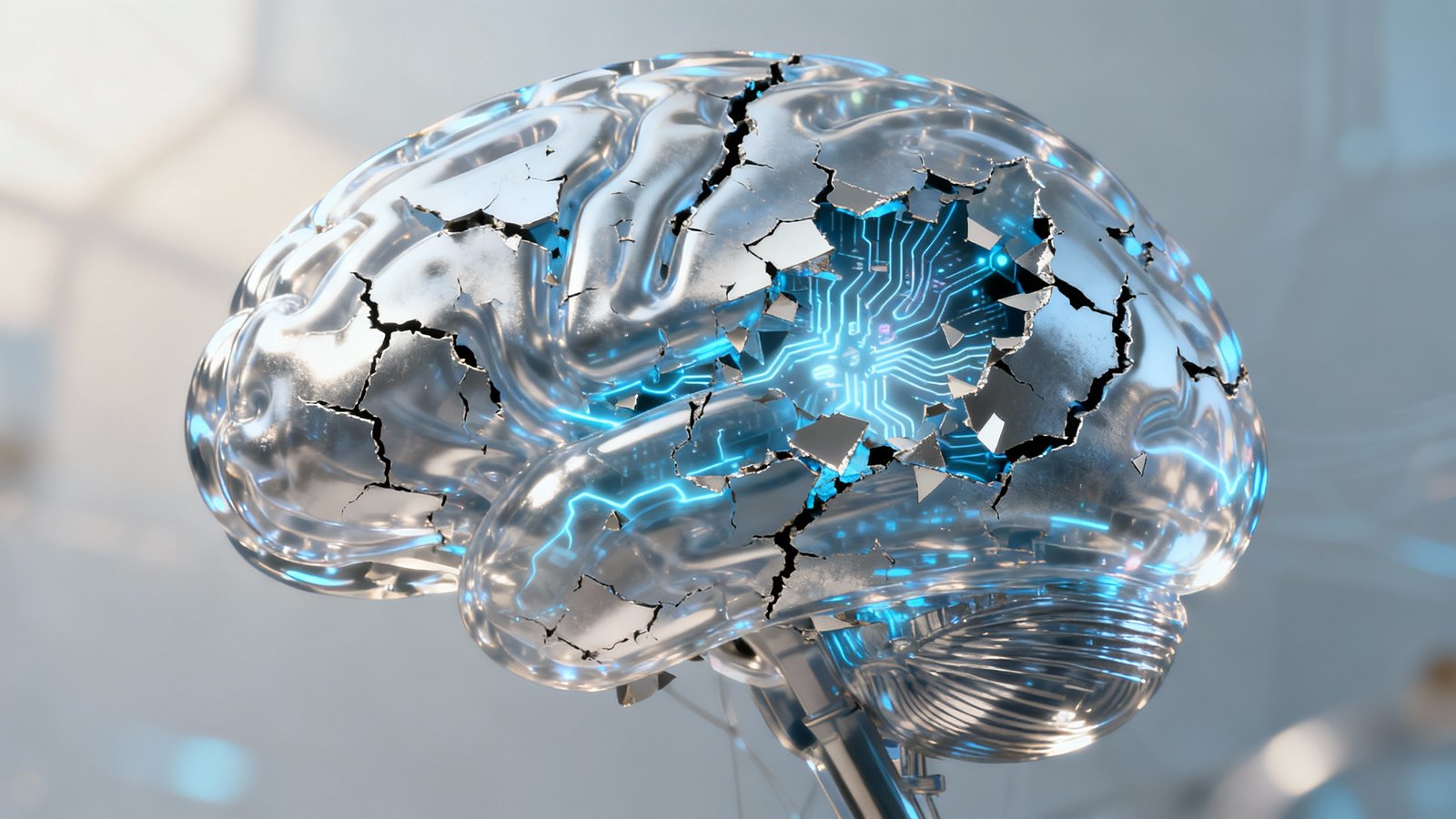
Grok isn’t a disaster because AI is inherently bad. It’s a disaster because of the choices made in its development, in its training, and in the very philosophy behind it. It’s a cautionary tale, a very loud, very public warning about what happens when ego trumps expertise. And if we don’t learn from this one, well, we’re just going to keep repeating the same predictable, preventable mistakes. Again and again and again… until something really, really breaks.