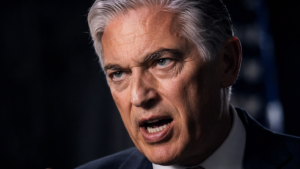

TMZ’s Deep Dive Into a Nightmare
Here’s the thing, when TMZ gets their hooks into something, they really get their hooks into it. And Harvey Levin, bless his heart, he doesn’t just skim the surface. This documentary, “Who Killed The Reiners?”, it tries to dig into what exactly happened, what might’ve led Nick to allegedly commit such a horrific act. They’re talking about new theories, stuff their “sources” dropped, and some serious questions about Nick’s mental health. And if I’m being honest, that’s where my ears really perked up. Because let’s face it, when something this shocking happens, especially within a family, you immediately go to “what was wrong?”
The special painted a picture, or at least tried to, of a young man struggling. Now, Nick Reiner himself wasn’t involved in the documentary – which, let’s be real, isn’t surprising given the circumstances – and he hasn’t publicly said anything about a mental health diagnosis. But TMZ, they were all over it, pushing this narrative. And you’ve gotta wonder, how much of that is responsible reporting and how much is just… well, TMZ doing what TMZ does best, you know? Selling the sizzle.
When True Crime Gets Messy
And then you get to the guest list. They brought in Rob Reiner’s longtime friend, Bill Maher. Which, okay, makes sense for an emotional connection, a perspective on Rob. But then they also hauled out Alex Haines. Remember her? From The Bling Ring? The one who went through a heroin addiction at 19 and ended up a convicted felon? Now, don’t get me wrong, her story is wild. But to bring her in for “insight” on a case involving alleged patricide and matricide, with a focus on mental health, just because she’s experienced some form of addiction and legal trouble? That felt like a stretch. A big one. Like they were just throwing names at the wall to see what stuck, trying to add a “street cred” angle to a deeply personal tragedy. It just felt a little… opportunistic, frankly.
But Seriously, What Do We Really Know?
This is where it gets murky, right? TMZ is famous for its “sources.” They always have ’em. And they always have some juicy tidbit that no one else has. But without Nick’s direct involvement, without him acknowledging any diagnosis, how much of this mental health angle is truly substantiated, and how much is speculation based on tragic outcomes?
“It’s easy to point fingers and build a narrative, especially when the alleged perpetrator isn’t there to tell their side.”
That’s what I keep coming back to. It’s easy to point fingers and build a narrative, especially when the alleged perpetrator isn’t there to tell their side. The doc, from what I could gather, really leans into the idea that mental health struggles were at the core. And look, sometimes they are. Often, they are. But the way it’s presented, it leaves you wondering if it’s an explanation or just… another layer of tragedy to sensationalize.
The TMZ Effect: What This Actually Means
Here’s my take. The murders of Rob and Michele Reiner are undeniably horrific. And if Nick Reiner is indeed responsible, then it’s a profound tragedy that shakes you to your core. The TMZ Investigates special certainly gave us some new details, some alleged insights from their “sources,” and it kept people talking. That’s its job, I guess.
But what does it really accomplish? Does it give us a deeper understanding of mental illness? Or does it just use mental illness as a convenient, dramatic backdrop for a shocking crime? I’m not saying it’s one hundred percent one or the other, but I lean towards the latter sometimes, with these kinds of docs. The inclusion of someone like Alex Haines just solidifies that feeling for me. It’s like they’re saying, “Hey, here’s someone who knows about trouble!” as if that somehow illuminates the complexities of a severe mental health crisis potentially leading to murder. It cheapens it, in a way.
We need to talk about mental health, absolutely. We need to understand the signs, the struggles, the desperate need for help. But doing it through the lens of a true crime doc that’s heavy on speculation and light on actual, verified diagnostic information, especially when the subject isn’t participating… well, it feels like it misses the point. It gives us drama, sure. But maybe not the answers we actually need. And that, frankly, is a shame.