
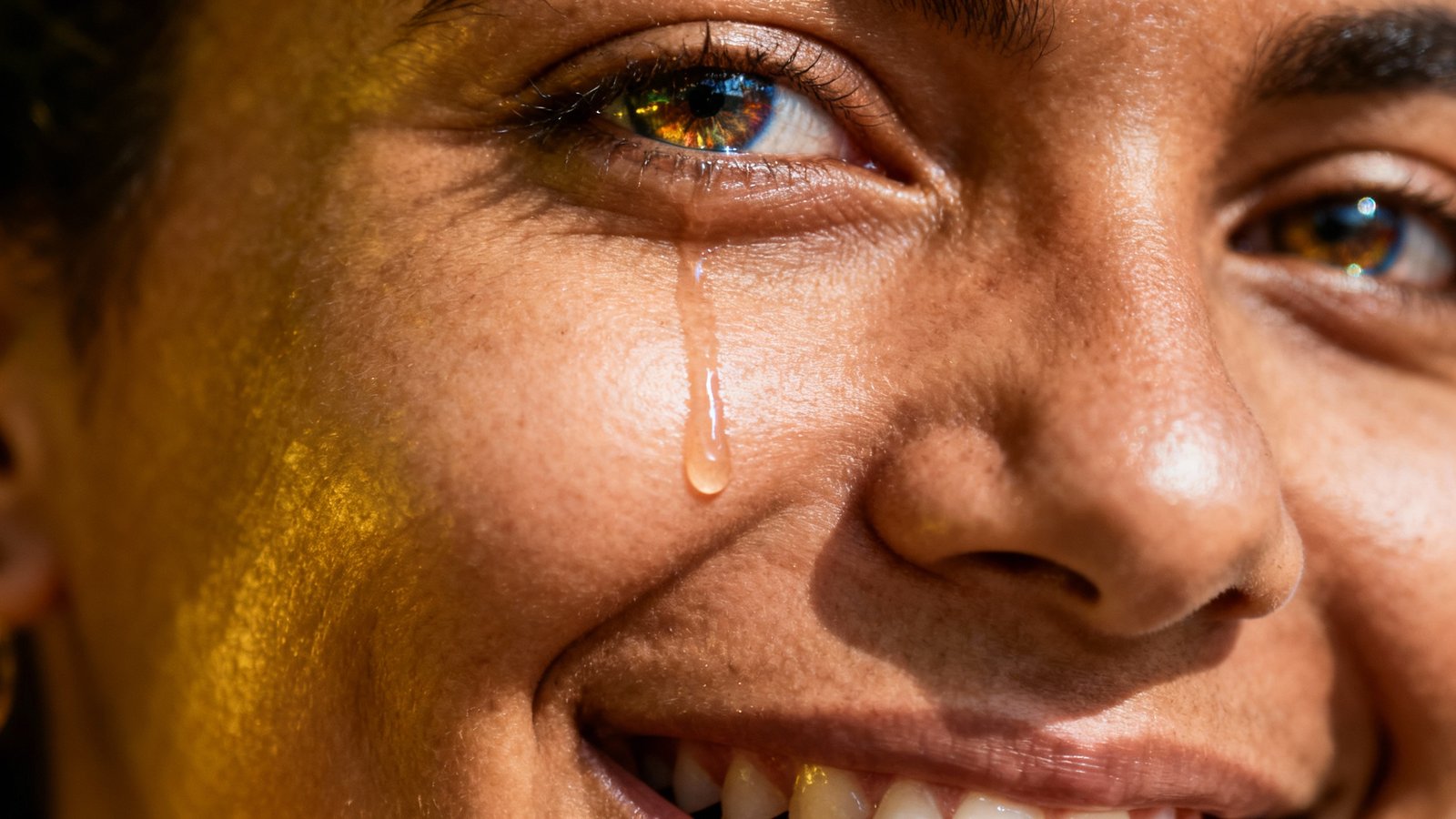
Another Day, Another Deepfake, Right?
Look, this drives me nuts. Absolutely bonkers. We’re barely out of the woods with the last round of fake news, and now we’ve got to worry about AI conjuring up entire scenes of human emotion. This particular gem, supposedly showing joyous Venezuelans reacting to a (totally fabricated, by the way) kidnapping of President Nicolás Maduro, got people talking. And, if I’m being honest, probably got a lot of people feeling something. That’s the insidious part, isn’t it?
It’s not just a little photoshopped meme anymore. This was a whole damn video, designed to look authentic. People crying, hugging, celebrating. You know, the stuff that tugs at your heartstrings and makes you think, “Wow, things must really be changing down there.” But nope. Turns out, it was all generated. A complete fabrication. And the internet, bless its cynical heart, caught on pretty quick. Reddit, specifically, had a field day tearing it apart, calling it out for the “AI slop” it is.
The Telltale Signs, If You Look Close Enough
So, how’d they know? Because let’s be real, this stuff is getting better, scarier even. But there are still glitches, still tells. People pointed to all sorts of weirdness in the video:
Faces that just didn’t quite look right, almost… waxy? Or too smooth.
Backgrounds that seemed to blur and warp in unnatural ways. Like a bad green screen, but worse.
Repetitive movements from the crowd that felt less like spontaneous human reaction and more like a looped animation.
And the general vibe, apparently, just felt off. Too perfect in some places, too broken in others.
It’s kind of like that uncanny valley effect, but for a whole crowd of people. You just know, deep down, something’s not real. It’s unsettling.
But Seriously, Who Benefits From This Crap?
That’s the million-dollar question, isn’t it? Why go to the trouble of faking a video about Venezuelans celebrating a leader’s non-existent kidnapping? I mean, who cares enough to generate this?
“The ease with which these deepfakes can be created, and the speed at which they spread, makes them a potent weapon in the ongoing information war.”
It’s not hard to connect the dots, right? Venezuela is a country with a deeply divided political landscape. There’s a strong opposition, and there are plenty of people who would love to see Maduro gone. So, a video showing mass public jubilation at his supposed removal? That’s propaganda, pure and simple. It’s designed to sow discord, to create a false narrative of public sentiment, and frankly, to just mess with people’s heads. To make you think, “See? Everyone wants this!” when in reality, it’s a computer program that wants it. Or, rather, whoever is pulling the strings of the computer program.
The Stakes Are Just Getting Higher, People
This isn’t just about one fake video, is it? This is about the complete erosion of trust in what we see and hear. For years, we’ve had to contend with manipulated images, edited audio, and carefully crafted narratives. But AI takes it to a whole new, terrifying level. Now, you don’t even need real footage to distort reality. You can just make it. From scratch.
And that’s the scary part. If we can’t trust our own eyes, if we can’t trust what looks like genuine human emotion, what can we trust? It’s going to make our jobs as journalists, and your job as a media consumer, so much harder. We’re going to have to be hyper-vigilant, questioning everything, and I mean everything, that pops up on our screens.
What This Actually Means
Here’s the thing: this isn’t going away. This AI-generated content is only going to get more sophisticated, more convincing. And probably, more sinister. We’re going to see more fake elections, more fake protests, more fake moments of joy and despair, all designed to push an agenda, to stir up emotions, to manipulate public opinion.
So, what do we do? Well, for starters, be skeptical. Always. If something seems too good to be true, or too perfectly aligned with a particular narrative, pause. Look for the glitches. Look for the tells. And for god’s sake, check your sources. Don’t just share because it makes you feel something. Because that’s exactly what these things are designed to do. They’re emotional manipulation at scale. And we, the humans, are the ones who have to be smarter than the bots. It’s a tough fight, but it’s one we absolutely, positively have to win. Otherwise, we’re just living in a world of manufactured reality, and honestly, who wants that? Not me, that’s for damn sure.