Another Day, Another Autopilot Question Mark
Here’s the thing. This isn’t some isolated incident. It just isn’t. We’ve seen it before, haven’t we? The stories, the investigations, the NTSB reports that basically say, “Hey, human drivers need to pay attention,” while also kinda, sorta, implying maybe the car isn’t as ‘auto’ as it says on the tin. But four people, gone. That’s not just a statistic, that’s a gaping hole in a family, a community. And it’s all tied back to a system that’s supposed to make driving safer. That’s the cruel irony, isn’t it?
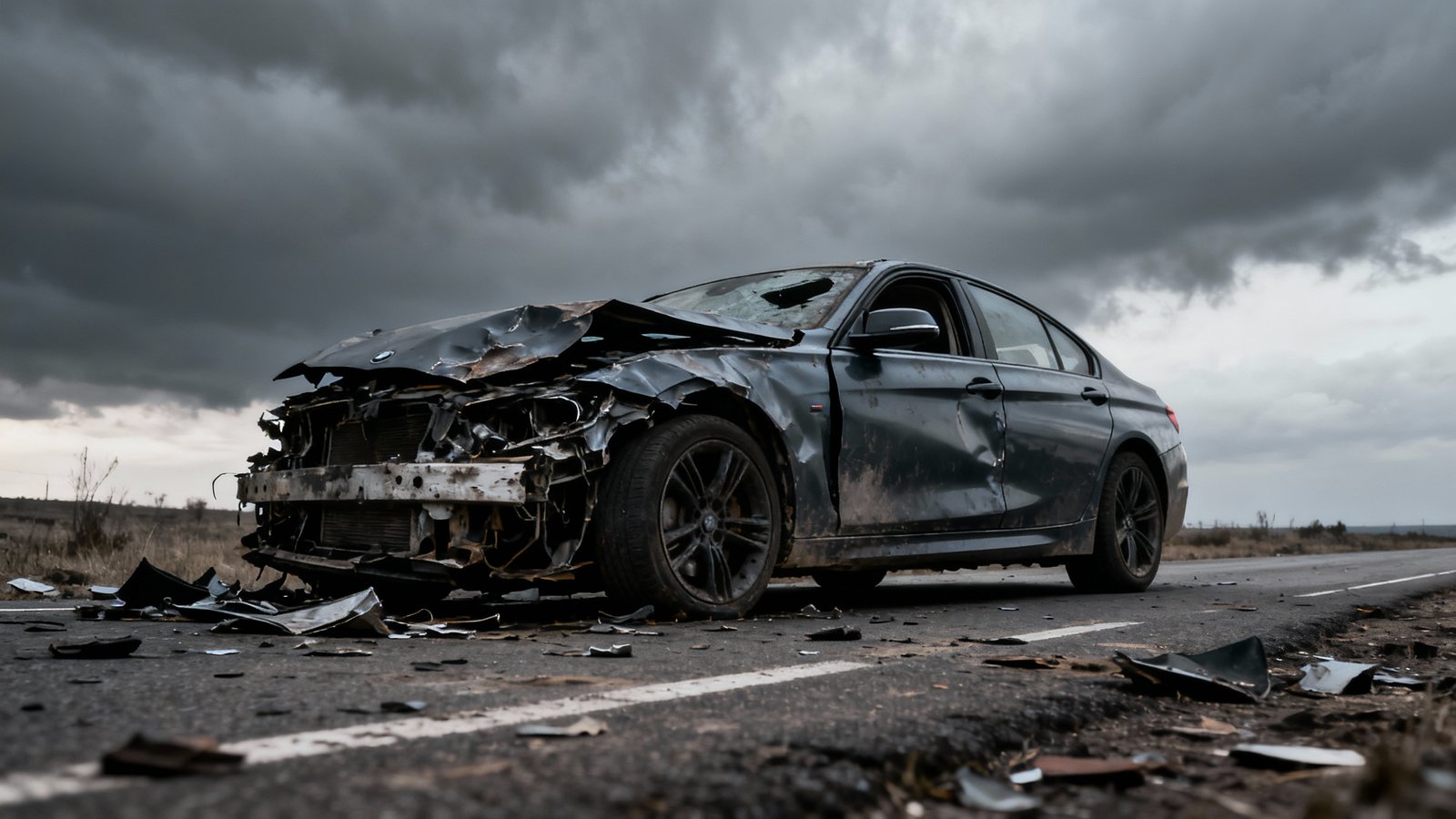
The family is saying, straight up, that the Autosteer just… drove the car into the path of an oncoming truck. Think about that for a second. You’re cruising along, maybe you’ve got the tech engaged, feeling all modern and futuristic, and then your car, the one you trusted with your life, just decides to commit to a head-on collision. I mean, holy hell. What kind of software glitch, what kind of sensor failure, what kind of decision by an algorithm could lead to that? It’s not a fender bender. It’s not a lane drift. It’s a direct, fatal path into traffic.
The Promise Versus The Reality
We’ve been hearing about self-driving cars for years now. Decades, if you count the sci-fi stuff. And Tesla, they’re at the front of the pack, screaming about “Full Self-Driving” even though, by their own admission, it’s not actually full self-driving. It requires human supervision. Always. But then they call it “Autopilot” and “Autosteer” and “Full Self-Driving” and, well, what do you expect people to think? They think it’s gonna drive itself. They think it’s gonna save them. Not run them headfirst into a truck.
So, Who’s Really Driving Here?
That’s the million-dollar question, isn’t it? When the rubber meets the road, and in this case, when the metal meets the metal, who’s responsible? Is it the driver who didn’t intervene? Is it the company that developed the software? Is it the regulators who’ve been, frankly, pretty slow to nail down what these systems can and can’t do, and what they should be called?
“They sold us a dream, you know? A dream of effortless travel, of safety. But it turned into a nightmare. They need to answer for that.”
It’s a messy situation, legally and ethically. On one hand, you’ve got Tesla’s disclaimers, plastered everywhere, saying “the driver is responsible.” On the other hand, you’ve got marketing that pushes the envelope, pushing people to believe the car is far more capable than it actually is. It’s a psychological tightrope. People get comfortable. They get complacent. And when you’re in a car that feels like it’s driving itself, it’s really, really hard to stay on high alert for hours on end. Our brains just aren’t wired for that kind of passive vigilance.
The Stakes Keep Getting Higher
Every time one of these tragedies happens, it’s a huge blow. Not just for the families involved- obviously, they bear the unimaginable brunt of it- but for the entire concept of autonomous vehicles. Public trust, which is already a fragile thing, just takes another hit. And who can blame people for being wary? I mean, if a system can decide, seemingly out of the blue, to cross into oncoming traffic, what’s next?
The fact that this family is taking Tesla to court, that’s big. Really big. Because it’s not just about compensation, not just about justice for their loved ones. It’s about setting a precedent. It’s about forcing companies to be clearer, to be more responsible, and maybe, just maybe, to slow down the hype train until the technology is actually, truly, unequivocally safe. Because right now, it feels like we’re in a massive, real-world beta test, and the cost of failure is just too damn high. Four lives. Gone.
What This Actually Means
Look, I’m not some anti-tech Luddite, okay? I get the promise of these things. Less traffic, fewer accidents overall, more accessible transportation. All good goals. But we’re skipping steps here, aren’t we? We’re rushing to implement systems that still have very real, very dangerous flaws. And the language around it? It’s actively misleading. Calling it “Autopilot” or “Full Self-Driving” when it clearly isn’t that, it’s not just semantics. It’s dangerous. It creates a false sense of security that, in this case, the family claims led to four deaths.
The bottom line is this: until these systems are truly, demonstrably safer than a vigilant human driver in all conditions, we need to treat them with extreme caution. And the companies making them? They need to be held accountable for the claims they make and the technology they put on the road. Because when four people die, it’s not just a software bug. It’s a catastrophe. And we, the public, deserve to know who is responsible, and how we stop it from happening again… before the next headline hits.