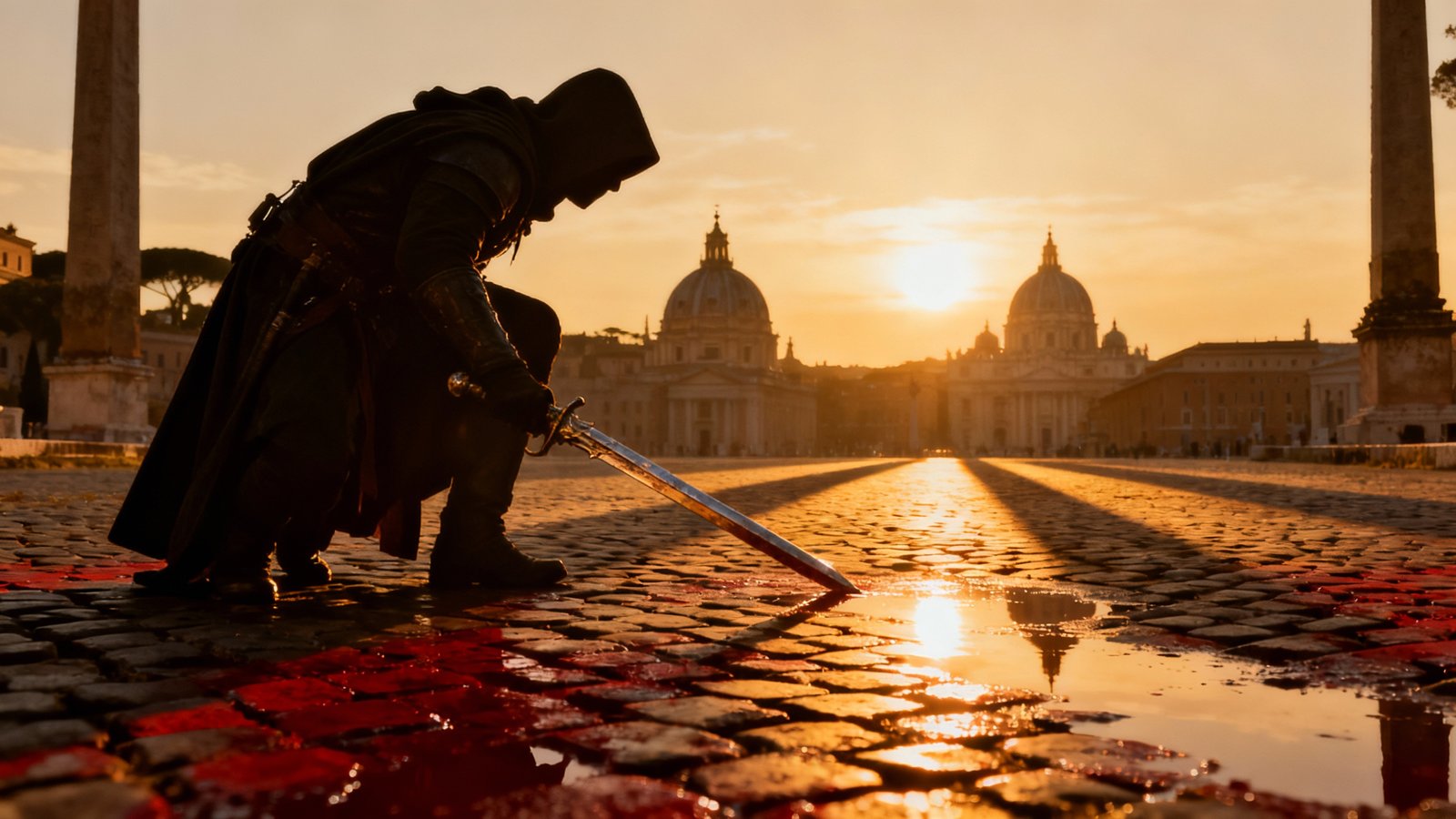
Netflix has been pretty quiet on the details since first announcing the live-action series back in 2020. Remember that? Feels like ages ago, with all the other gaming adaptations that have come and gone. But the recent buzz, especially with showrunner Jeb Stuart stepping down a while back and a script overhaul happening, suggests a new direction. And boy, does that direction look like it’s pointing straight to Romulus and Remus. Or, you know, the descendants of whoever those guys actually were. A proper Roman beginning, full of conspiracies, shadowy figures, and, let’s be honest, probably a few too many toga parties that end in murder.
Why Rome, Why Now? It’s Not Just About the Sandal Swords
You might be thinking, “Haven’t we seen Ancient Rome?” And yeah, you have. Loads of times. But Assassin’s Creed has this particular knack for taking well-trodden periods and infusing them with its own brand of layered historical revisionism-plus, obviously, parkour and those iconic wrist blades. Starting in Rome for the series could be a stroke of pure genius, actually, for a few compelling reasons that go beyond just, well, it being Rome.
The Perfect Cradle for Conspiracy
Think about it. The Roman Empire, at its various peaks and troughs, was a hotbed of political machinations. Emperors being assassinated, senatorial plots, hidden cults-it’s all there, practically screaming for an Assassin-Templar conflict to be woven into its fabric. The games have already tackled parts of Rome (hello Ezio, my old friend), but a long-form series allows for a much deeper dive. You can flesh out characters, explore the nuances of the era’s power struggles, and really show how the fight for free will (the Assassins’ creed) clashes with the desire for control (the Templars’ goal) within a society that was both incredibly advanced and unbelievably brutal.
- Point: Rome wasn’t just ancient; it was a hotbed of intrigue. Assassinations, coups, secret societies-it was all par for the course.
- Insight: This provides an ideal backdrop for the Assassin’s Creed storyline, allowing for multi-layered plots that develop over a season, or even multiple seasons, rather than just a single game’s narrative arc. It’s like a choose-your-own-adventure but with real history guiding the choices.
A Clean Slate with Familiar Echoes
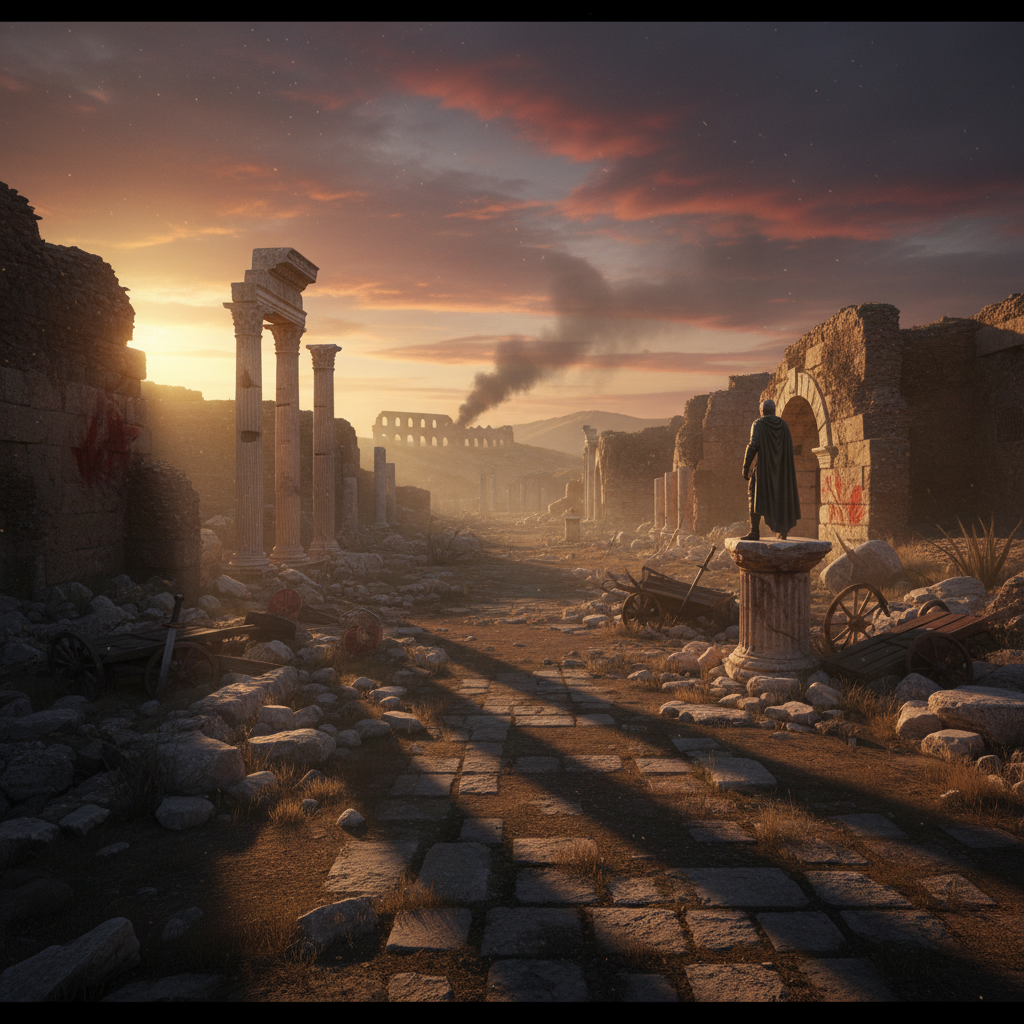
Here’s the interesting part: while the games have touched on Rome, particularly during the Renaissance period with Brotherhood, a deep dive into, say, the Roman Republic or the early Empire, would be relatively unexplored territory for the main series. Origins went to Ptolemaic Egypt, and Odyssey to Ancient Greece. Rome, in its earliest, most iconic forms, feels like a natural progression-a step back in time that’s both fresh and instantly recognizable. It gives the Netflix show a chance to establish its own identity, without being constantly compared to an existing beloved game from the same specific period. It’s a smart move to sidestep direct comparisons.
“The chance to explore the very genesis of the Assassin-Templar conflict within the complex social and political structures of Ancient Rome is a narrative goldmine.”
Think about the visual potential too. All those sprawling forums, the Colosseum, the intricate aqueducts-it’s just begging for some impressive parkour and elaborate set pieces, isn’t it? And the costumes! Oh, the costumes are going to be fantastic. You know, assuming they don’t go too “Netflix-fantasy-generic,” which, let’s be real, is always a possibility. But here’s hoping for some historical accuracy mixed with the iconic Assassin hood.
What This Means for the Franchise’s Future (and Ours)
If the show really does kick off in Rome, it solidifies a certain direction for the Assassin’s Creed universe beyond just the games. It suggests a willingness to branch out confidently into different eras and formats, rather than just re-treading old ground. And that, my friends, is genuinely exciting.
Beyond the Animus-Driven Narration
One of the trickiest parts about adapting Assassin’s Creed is the Animus-that machine that lets you relive ancestral memories. In the games, it’s how we experience the past. On screen, it can feel clunky, often jarring the viewer out of the more compelling historical narrative. By starting with a fresh Roman story, the show has the opportunity to redefine how the “modern day” and “past” storylines interact. Maybe the Animus is more streamlined, more subtly integrated. Or maybe they just lean heavier into the historical narrative, which, frankly, most fans are probably hoping for anyway. I know I am. Sometimes you just want to see a cool historical period without a tech bro in a lab coat telling you about DNA sequencing.
- Point: The show could reimagine the Animus framework, making it more digestible for TV audiences.
- Insight: This is crucial. A clunky Animus can kill momentum. A smooth, integrated narrative that shifts between past and present without feeling forced will be a game-changer for the series. It’s about letting the story breathe, you know?
Setting the Tone for Adaptations
This potential Rome setting also means the Assassin’s Creed universe on Netflix could establish its own canon, its own set of characters and overarching mysteries that parallel, but don’t necessarily directly copy, the games. This is a smart play. The games have a sprawling, occasionally convoluted lore. A show needs to be accessible to newcomers while still satisfying hardcore fans. A new beginning in Rome offers that balance-a familiar setting, but with a fresh story that anyone can jump into. It’s like a fresh sheet of parchment, ready for new lore. Or, you know, a really old parchment found in a dusty Roman catacomb, which is arguably even better.
So, while we’re all still waiting impatiently for more concrete details, the idea of Netflix’s Assassin’s Creed kicking off its bloody, shadowy saga in the heart of Ancient Rome feels incredibly right. It’s a bold choice, but honestly, it’s also a deeply sensible one, offering a rich historical tableau ripe for exploration and conflict. Here’s hoping they do it justice. And maybe, just maybe, they’ll give us an original character as iconic as Ezio Auditore. A man (or woman, or non-binary individual, let’s be inclusive) in a toga, with a hidden blade, silently scaling the Colosseum walls under a full Roman moon. I’m already hooked-even if it’s just a rumor for now, the sheer potential is enough to get me excited. What do you think? Is Rome the right move, or would you rather see them go somewhere else entirely?