

Okay, so you think you know Kim Kardashian, right? Mega-mogul, reality TV queen, SKIMS founder, all that jazz. But here’s an absolutely wild one that just dropped, and honestly, my jaw is still on the floor from it. Kim K recently decided to get a brain scan, you know, just for fun, or maybe out of curiosity, I’m not entirely sure of the exact motivation, but the results? Apparently, they showed “low” brain activity. And her response? A classic, “That can’t be!”
I mean, come on. This is the woman who built a billion-dollar empire from a sex tape and a well-timed reality show. Low brain activity? It just seems almost comically contradictory, doesn’t it? Like finding out Elon Musk is actually terrible at Sudoku. It makes you scratch your head, for sure.
The Scan Heard ‘Round the Internet
So, the story goes that Kim visited a place called Amen Clinics – you might have heard of them, they’re pretty well-known for doing these SPECT scans on the brain, basically looking at blood flow and activity patterns. Dr. Daniel Amen, the founder, was the one delivering the news. And apparently, he told her she had lower activity in certain parts of her brain, particularly areas associated with things like emotional regulation and decision-making. Which is just… wow. For someone who lives her life so publicly, and generally seems to be making pretty sharp business moves, it’s a revelation.
What Does “Low Activity” Even Mean?
Now, before we all jump to conclusions and start diagnosing her from our couches- because you know everyone on Twitter is already doing that already- let’s talk a little bit about these scans. A SPECT scan, or single-photon emission computed tomography (try saying that five times fast), basically measures blood flow to tissues and organs. In the brain, more blood flow usually means more activity in that area. Less blood flow, well, less activity. It’s not like an MRI, which shows structure; this is about function. So, when Dr. Amen says “low activity,” he’s talking about how parts of her brain are actually working, or not working, presumably. And for Kim, it seems it was in a few key spots.
- Point: SPECT scans measure blood flow, an indicator of brain activity.
- Insight: “Low activity” means certain brain regions aren’t working as hard, or efficiently, as they could be based on the blood flow. It’s not necessarily about intelligence, more about processing.
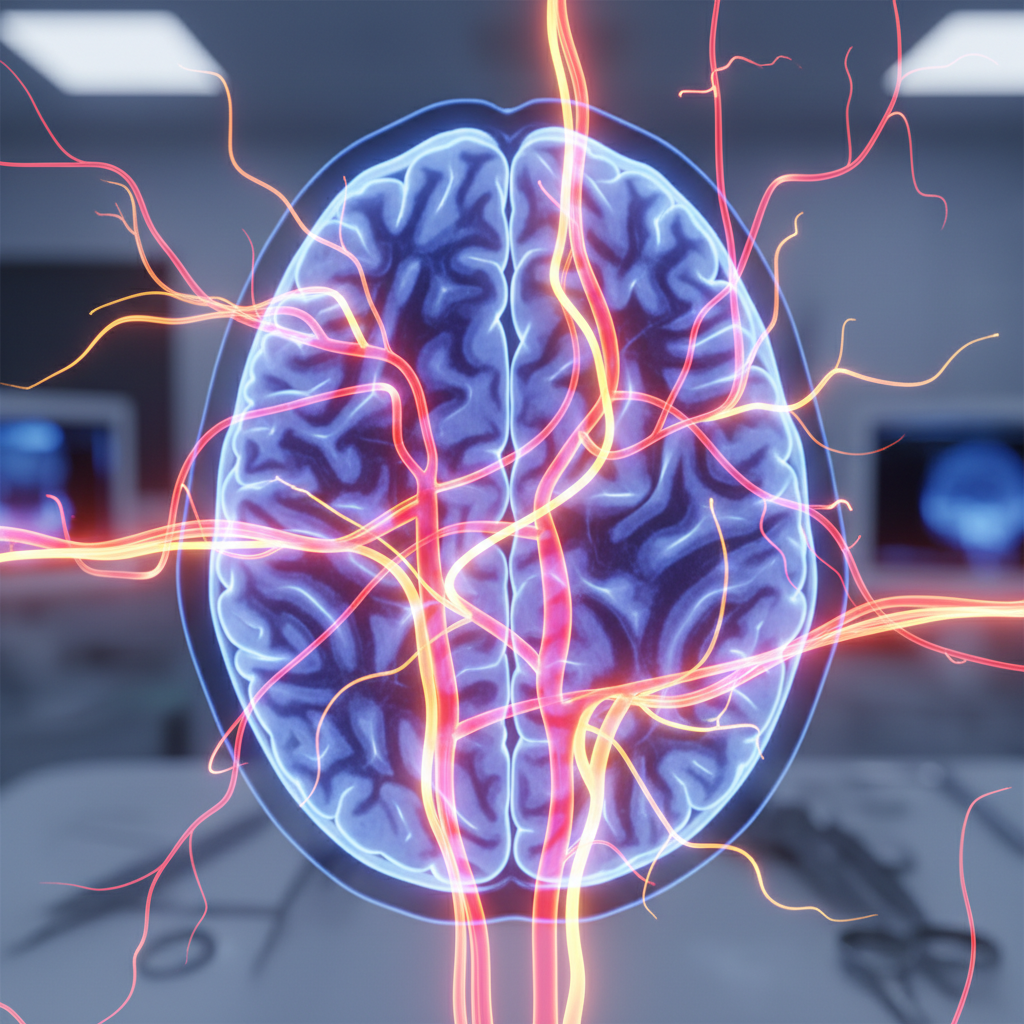
The whole thing kind of makes you wonder, if these scans are so revealing, what would our brains look like? I’m almost scared to know, honestly. I’ve probably got entire ghost towns in there myself after certain Mondays.
“It’s easy to dismiss these things as celebrity fluff, but it really highlights the growing interest in understanding our own brains, especially with these imaging technologies becoming more accessible.”
The Kim K Paradox: Business Acumen vs. Brain Scan
Here’s where it gets really interesting – the contrast. We see Kim making ridiculously shrewd business decisions all the time. She’s built a fortune. She’s studying law. That takes some serious brain power, no? So, how do you reconcile “low brain activity” with what we observe as extreme drive and success? It’s a bit of a head-scratcher, isn’t it?
Is it Always What it Seems?
Well, honestly, I think we have to be careful with these kinds of blanket statements. Brain scans, while incredibly sophisticated, aren’t the be-all and end-all of understanding human function. There are so many variables. Stress, sleep, diet, even what you had for breakfast that day- all these things can influence how your brain performs in a given moment. It’s not a static picture, it’s more like a snapshot. And perhaps, for Kim, that particular snapshot caught her brain on a less-than-optimal day.
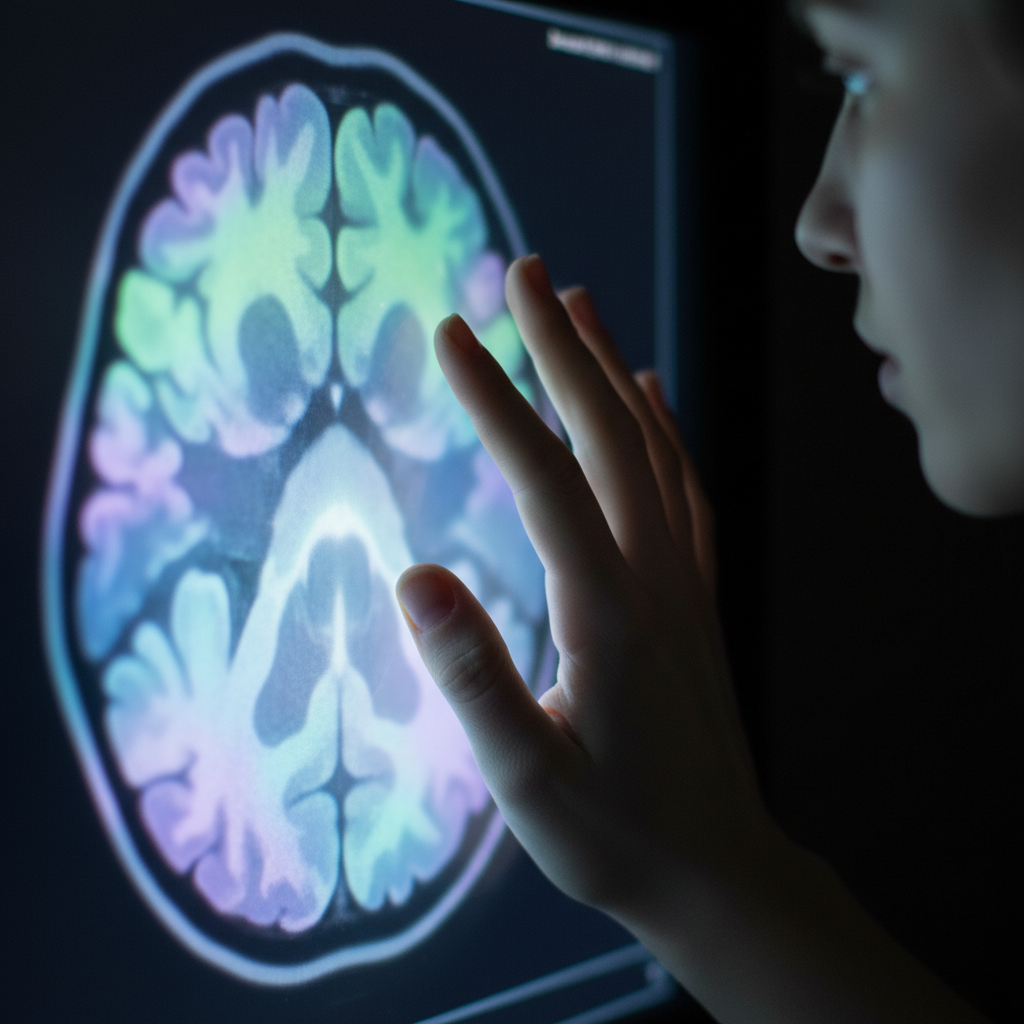
Or maybe- just maybe- it means something else entirely. Maybe her brain is just efficient. Like a sports car with fewer, but more powerful, cylinders. It gets the job done, and then some. I’m not a neuroscientist, but it’s a thought.
- Point: Kim’s professional success seems to contradict “low activity” findings.
- Insight: Brain scans are snapshots; external factors and the brain’s unique wiring could play a huge role. It’s not as simple as ‘on’ or ‘off’.

The Bigger Picture: Celebrity, Health, and Privacy
This whole incident, beyond the pure gasp-factor, brings up some interesting points about celebrities and their health disclosures. When someone as public as Kim K shares something so deeply personal – like the inner workings of her brain – it opens up a whole conversation. On one hand, it’s fantastic for destigmatizing conversations around mental health and neurological wellness. On the other, it creates this immediate, almost irresistible urge for us to dissect, analyze, and sometimes, even judge. Which isn’t exactly fair, is it?
What We Don’t Know
We’re seeing a snippet, a headline, a soundbite, really. We don’t know the full context of her scan, what the doctor actually recommended, or any follow-up she might be doing. We don’t know if this was a promotional thing for the clinic, or a genuine moment of self-discovery captured for TV. That’s the thing about reality TV, right? It’s always a curated reality, even when it feels raw. And when it comes to something as complex as brain function, context is everything. What if “low activity” for Kim is perfectly normal for her unique brain? We don’t know her baseline.
It’s a reminder that while the internet loves a juicy reveal, especially from a Kardashian, there’s always so much more information operating behind the scenes. So much more. It’s like judging a book by its cover, but in this case, the cover is a blurry image taken during a momentary lapse.

So, Kim K’s “low brain activity” revelation is certainly a headline grabber. It’s got us all talking, speculating, and maybe even a little bit worried about our own gray matter. But perhaps the real takeaway here isn’t about what her brain scan actually said, but about how we react to these kinds of personal-yet-public health disclosures. It reinforces that idea that brains are complex, people are complex, and reality TV? Well, that’s complex too, even when it feels painfully simple. Maybe it just means she needs more sleep, you know? Or less drama. One can only guess.