
If you’ve been trying to get your hands on a new graphics card lately, you already know the situation is kind of a mess. But here’s something that might make it even messier: Nvidia is reportedly cutting off the VRAM supply to its board partners. Yeah, you read that right. The companies that actually manufacture those Asus, MSI, and EVGA cards? They’re apparently going to have to source their own memory chips now.
This isn’t just some minor supply chain tweak. We’re talking about a fundamental shift in how graphics cards get made – and it’s happening right when the industry is already dealing with memory shortages that have everyone scrambling.
The rumor started making rounds through industry channels, and while Nvidia hasn’t officially confirmed anything (because of course they haven’t), the implications are wild enough that people are taking it seriously. Basically, partners would now receive just the GPU die itself and be told, “Good luck finding your own memory, folks.”
What This Actually Means for Board Partners
Let’s break down what’s happening here, because it’s a bigger deal than it might sound at first. For years – we’re talking decades – Nvidia has been supplying what’s essentially a complete package to its partners. The GPU die, sure, but also the VRAM that goes alongside it. This made sense for everyone involved. Nvidia could negotiate better bulk prices on memory, ensure quality control, and keep their partners from getting screwed over by memory suppliers.
Now? That whole system is apparently getting tossed out the window.
The Supply Chain Nightmare
Here’s where it gets interesting (and by interesting, I mean potentially catastrophic for smaller manufacturers). When you’re a company like Asus or MSI, you’ve got buying power. You can call up Samsung or Micron and negotiate a decent deal on GDDR6 or GDDR6X memory. But what if you’re a smaller player? What if you’re one of those boutique card makers who specializes in custom designs or regional markets?
You’re kind of screwed, honestly.
- Pricing power: Smaller partners won’t have the leverage to get competitive memory prices, which means their cards could end up more expensive
- Supply consistency: Memory shortages are already a thing – now partners have to compete with each other AND every other electronics manufacturer for chips
- Quality control: Different memory bins, different manufacturers – we might see more variance in card performance than ever before

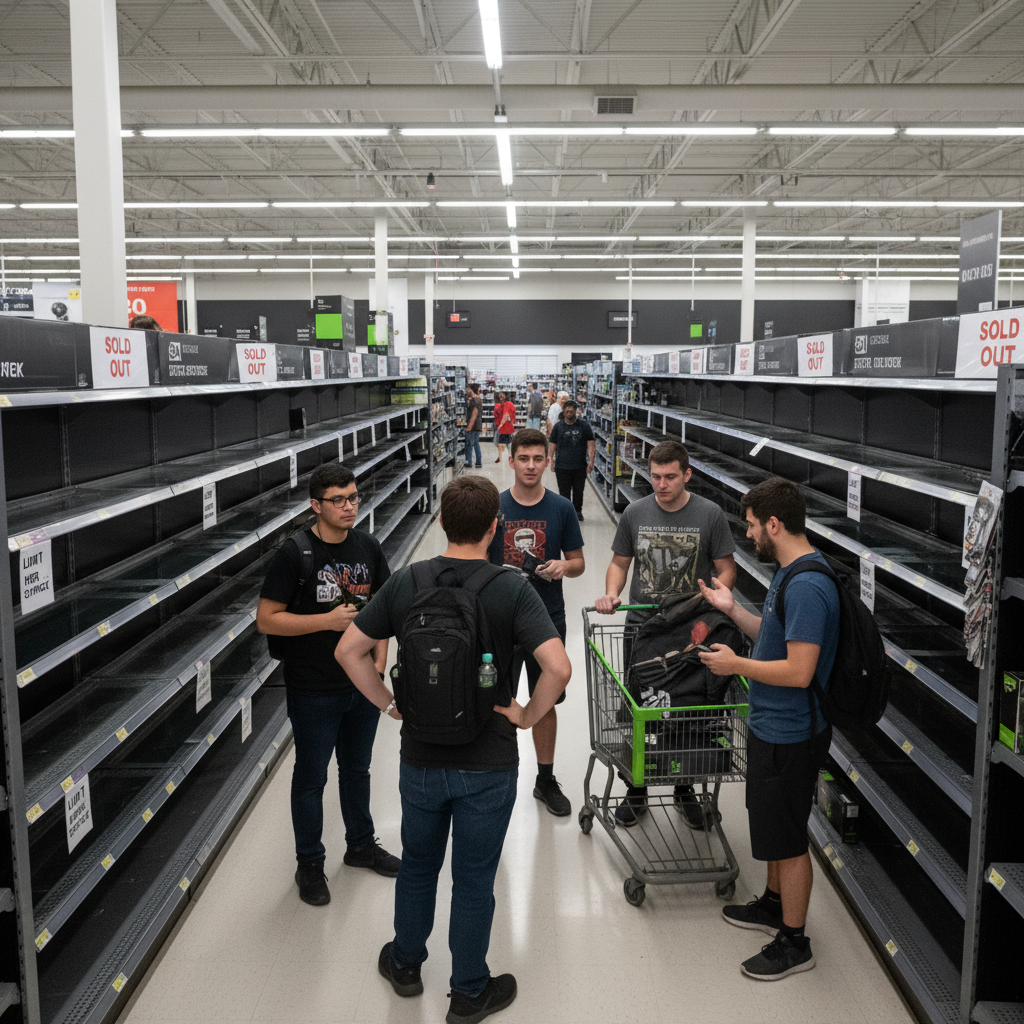
The timing is particularly brutal. We’re in the middle of what some folks are calling the worst memory crunch in recent history. AI data centers are hoovering up high-bandwidth memory like there’s no tomorrow, crypto (yes, still) is creating weird demand spikes, and consumer electronics are selling faster than manufacturers can keep up with.
Why Would Nvidia Do This?
Okay, so this seems counterintuitive, right? Why would Nvidia make life harder for the very companies that manufacture and sell their products? Well, there are a few theories floating around, and none of them are particularly comforting.
First theory: Nvidia needs all the memory allocation it can get for its own products. And by its own products, I mean those enterprise AI cards that sell for $30,000 a pop. The H100s, the upcoming Blackwell chips – these things are basically printing money for Nvidia right now. If they’re facing a choice between ensuring their board partners have enough GDDR6X for gaming cards or securing HBM3 for data center products, well… it’s not a hard decision from a business perspective.
Second theory (and this one’s a bit more cynical): this could be Nvidia’s way of consolidating power. If smaller board partners can’t compete because they can’t source memory efficiently, they either die off or get acquired by the bigger players. End result? Fewer partners, but ones that are more capable of handling their own supply chain. Less headache for Nvidia in the long run.
“The GPU market has always been cutthroat, but this takes it to another level. We’re essentially watching Nvidia restructure the entire ecosystem in real-time.”
The Bigger Picture Nobody’s Talking About
Here’s what really gets me about this whole situation – it’s not just about graphics cards. This is a symptom of something way larger happening in the semiconductor industry right now.
Memory manufacturers are basically picking and choosing their customers based on who pays the most. And right now, that’s not the gaming industry. It’s AI companies, cloud providers, and enterprise customers who need cutting-edge memory for their trillion-parameter models and massive data processing operations. A gaming card might use 12GB or 24GB of VRAM. An AI training cluster? We’re talking terabytes.
The AI Effect Ripples Out
Look, I know everyone’s tired of hearing about AI this and AI that, but it’s genuinely reshaping the entire tech supply chain in ways that are trickling down to consumers. When Microsoft or Google puts in an order for 100,000 GPUs worth of memory, that memory has to come from somewhere. And increasingly, it’s coming from allocations that used to go to consumer products.
This might actually explain why we’ve seen GPU prices stay stubbornly high even as crypto mining has cooled off. The demand hasn’t gone away – it’s just shifted to a different sector entirely. One that, quite frankly, has deeper pockets than gamers do.
What Happens to Card Variety?
One thing I haven’t seen enough people discussing: this could seriously impact the variety of cards we see on the market. You know how you can currently choose between like fifteen different versions of the same GPU, each with slightly different cooling solutions, factory overclocks, and aesthetics? That might become a luxury of the past.
If partners are struggling to source memory consistently, they’re going to focus on their flagship models – the ones with the highest margins and the most reliable sales. All those fun niche products, the compact cards for small form factor builds, the ultra-budget options? Those might disappear because they’re not worth the hassle when you’re fighting for every memory chip you can get your hands on.
Which, you know, sucks for anyone who doesn’t want the same three cookie-cutter options everyone else is buying.
What This Means for You (Yes, You Specifically)
If you’re in the market for a new GPU anytime soon, here’s my honest take: this probably isn’t going to make your life easier. At best, you won’t notice much difference – the big manufacturers will figure it out, prices might tick up slightly, and life goes on. At worst? We could see some genuine weirdness in the market.
Different versions of the same card performing inconsistently because they’re using different memory bins. Longer wait times for new releases because partners are still sourcing components. Price variations that make no sense because one manufacturer got a better deal on memory than another.
It’s also worth considering that this might push more people toward AMD or Intel’s discrete graphics options. Not because those cards are necessarily better, but because if Nvidia’s ecosystem becomes too unreliable or expensive, people will look for alternatives. Competition is good for consumers (hot take, I know), and anything that makes the GPU market less of a monopoly situation is probably healthy in the long run.
The Waiting Game
The frustrating part about all this is that we’re largely in wait-and-see mode. This is still technically a rumor, though a credible one from industry sources. Nvidia could come out tomorrow and deny the whole thing, or they could quietly implement it without ever making a formal announcement. That’s kind of their style, honestly.
What we do know is that the next generation of GPUs is coming, and how this memory situation shakes out will have a direct impact on availability and pricing. If you were planning to upgrade your rig, you might want to pay extra attention to which manufacturer you’re buying from and whether they’ve got their supply chain sorted.
Because here’s the thing – in a market this volatile, brand loyalty might matter less than which company managed to secure a steady memory supply. That’s a weird place to be, but that’s where we are.
Looking Forward (With Cautious Optimism)
So where does this leave us? Honestly, it’s hard to say. The semiconductor industry has a way of working these things out eventually, even if the short-term looks messy. Memory manufacturers will ramp up production, AI demand will stabilize (maybe), and we’ll find a new equilibrium.
Or maybe this is the new normal – an industry where memory is the bottleneck, where manufacturers have to fight for every chip, and where consumers end up paying the price. Literally.
What I do know is that this decision by Nvidia, if it’s real, represents a pretty significant shift in how the graphics card industry operates. It’s pushing complexity and risk down to partners who may or may not be equipped to handle it. And in an industry already dealing with shortages, consolidation, and massive demand swings, adding another layer of uncertainty seems almost reckless.
But hey, maybe I’m wrong. Maybe this all works out fine and in six months we’ll barely remember this was ever a concern. I guess we’ll find out soon enough. In the meantime, if you’ve been putting off that GPU upgrade, you might want to make a decision sooner rather than later. Just saying.