
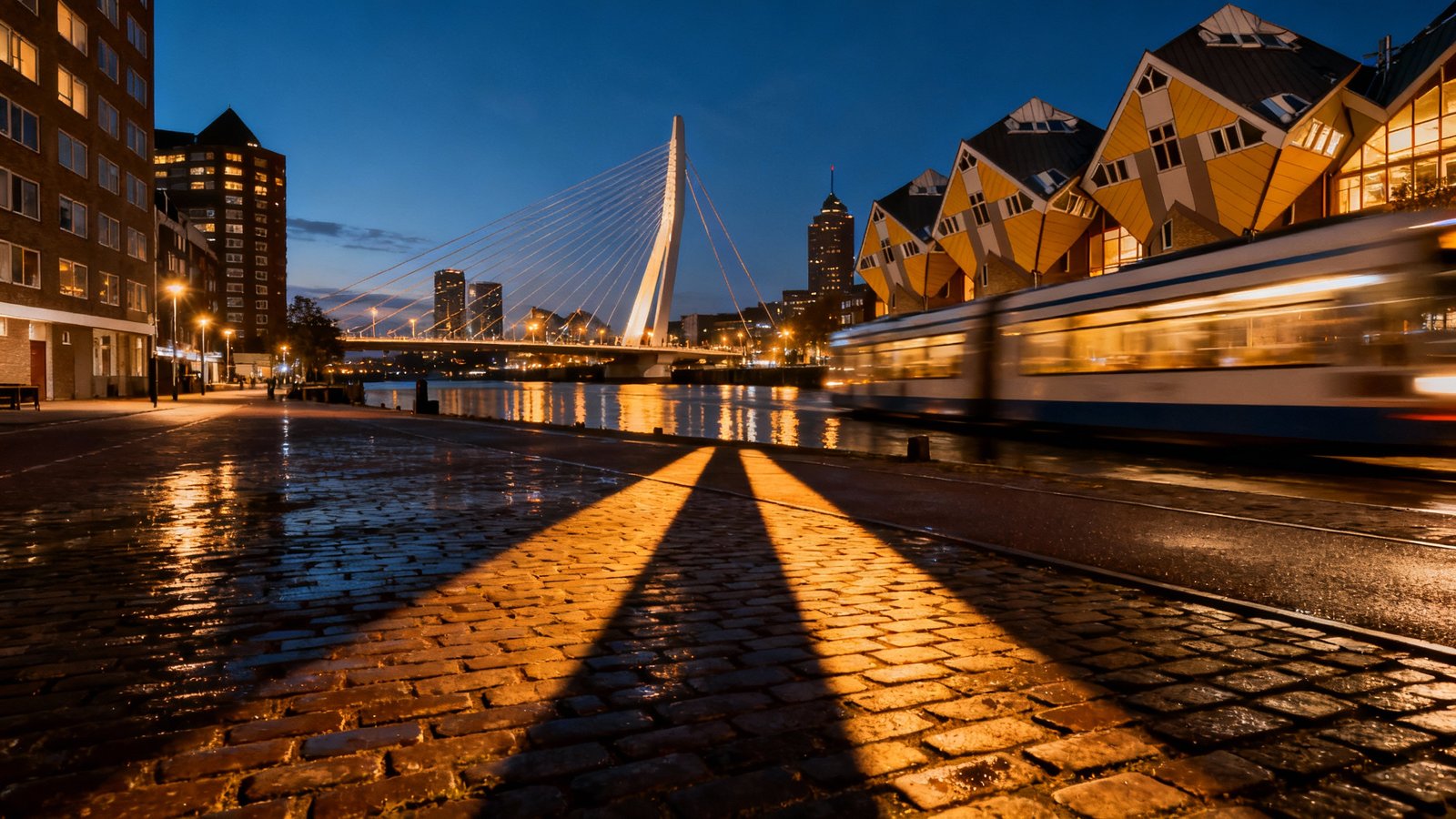
Alright, so film festivals. You’ve heard of Cannes, Venice, Sundance- all the big guns, right? They’re practically household names, synonymous with red carpets and major studio deals. But if you’re really paying attention to where cinema is headed– not just where it is now, but where it’s going– then there’s one name you absolutely need to etch into your mind: Rotterdam. Specifically, the International Film Festival Rotterdam (IFFR). Forget everything you thought you knew about traditional film hubs; Rotterdam isn’t just on the map, it’s redrawing it. It’s where the future of film isn’t just discussed, it’s actually being built. Seriously.
Now, I know, I know. Rotterdam might not have that immediate, glamorous ring to it like some of its European counterparts. It’s a port city, industrious, a bit edgy- not exactly the first place you’d picture burgeoning cinematic revolutions. But that, my friends, is precisely its strength. It operates slightly under the radar, away from the intense media frenzy that can sometimes overshadow the actual art of filmmaking elsewhere. This low-key vibe allows for a kind of creative freedom, an experimental spirit that is refreshingly bold. It’s not about who wore what on the red carpet; it’s about what stories are being told and how.
So, why Rotterdam? Why is this Dutch urban landscape becoming such a critical crucible for future cinematic trends? It boils down to three core reasons, actually. And they’re all pretty interconnected, weaving together to create something truly unique.
It’s a Genuinely Level Playing Field- Talent First, Always
One of the biggest- and perhaps most underrated- reasons Rotterdam is pushing the envelope is its steadfast commitment to emerging talent. Unlike some festivals where established names often get preferential treatment- understandably so, they’re draws- IFFR’s CineMart, their co-production market, actually excels at balancing proven maestros with absolute unknowns. It’s not just lip service; it’s baked into their DNA.
Discovery isn’t a Buzzword, It’s the Mission
Think about it: how many times have you heard a festival touting “discoveries” only to find the lineup dominated by familiar faces? Rotterdam, bless its heart, actually means it. They’re actively seeking out the next wave, the voices that haven’t been amplified yet. This isn’t just about charity, though. It’s smart business, really. They’re investing in the future, nurturing relationships with filmmakers at the very beginning of their careers.
- Point: This year’s CineMart selections, for example, feature a genuine mix of breakthrough artists and celebrated auteurs. It’s not one or the other but a carefully curated blend.
- Insight: This thoughtful curation creates a dynamic environment where fresh perspectives aren’t sidelined but celebrated alongside experienced visionaries. It means a new filmmaker might find their project being discussed right next to a veteran director’s, which is a rare and powerful thing.
This approach- this real dedication to discovery- fosters a kind of collaborative energy you don’t always sense elsewhere. It’s less about competition and more about collective progression. Young directors aren’t just looking for funding; they’re looking for guidance, for a platform, and Rotterdam provides that in spades.
Embracing the Experimental- No Idea Too Wild
Here’s where it gets interesting, especially if you’re a bit bored with formulaic storytelling. Rotterdam has never shied away from the unconventional. In fact, it actively champions it. While other festivals might dip a toe into experimental waters, IFFR dives headfirst. They understand that true innovation often looks a little messy at first, a little rough around the edges.
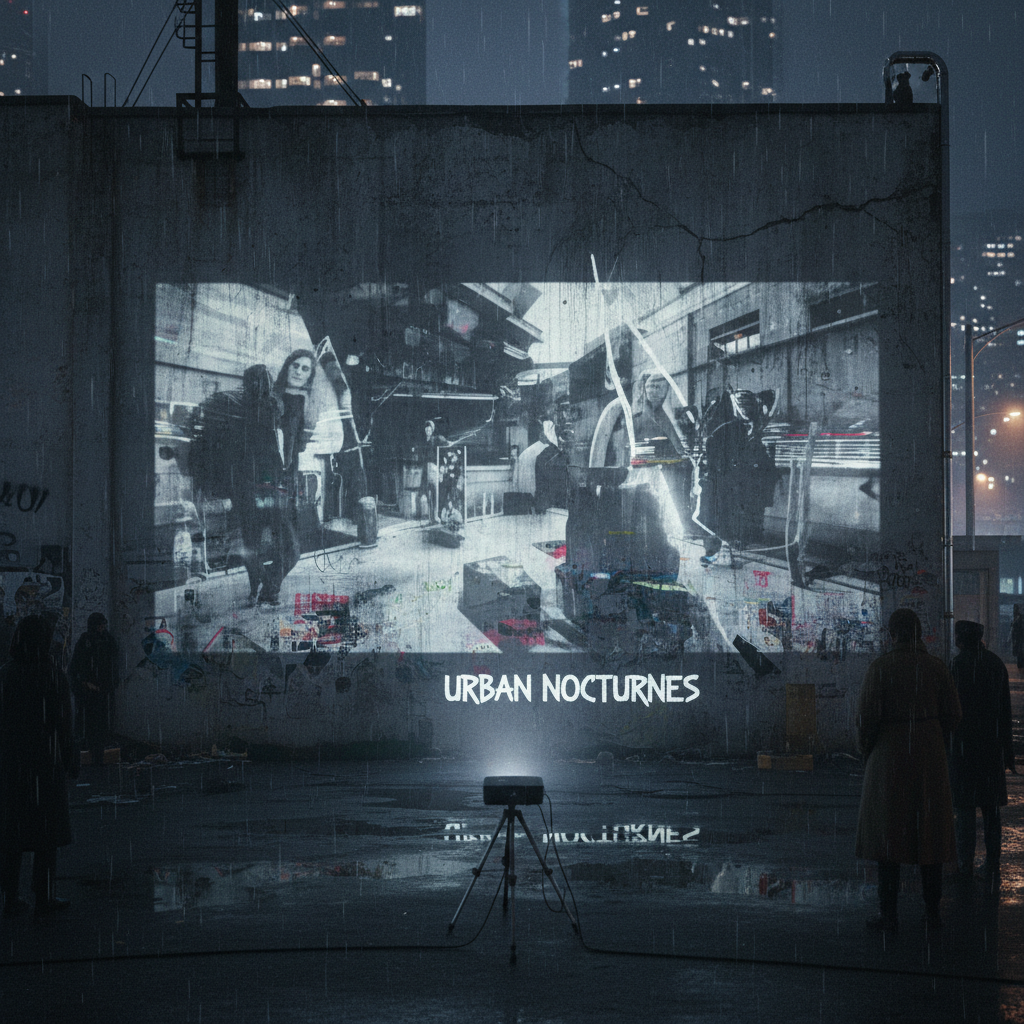
Beyond the Big Screen- Immersive Storytelling Takes Center Stage
This isn’t just about weird indie films, though those are definitely present and accounted for. We’re talking about a broader embrace of new technologies and narrative formats. Things like immersive experiences, virtual reality (VR), augmented reality (AR), even interactive narratives- Rotterdam isn’t just showing them, they’re actively producing them. That’s a huge distinction, actually.
“Balancing breakthrough talent and celebrated auteurs at the height of their careers, this year’s selections underline CineMart’s role as a place where discovery and established filmmaking meet.”
- Point: The festival’s commitment to “immersive co-production titles” for 2026 really highlights this. They’re not just screening VR films; they’re helping get them made.
- Insight: This willingness to move beyond traditional celluloid or even digital big-screen projection means they’re fostering entirely new ways of experiencing stories. It’s laying the groundwork for what cinema could look like five, ten, even twenty years down the line. It’s exhilarating, honestly.
This vision isn’t just about tech for tech’s sake. It’s about recognizing that storytelling tools evolve. The printing press changed narrative, then radio, then TV, now digital and immersive tech. Rotterdam is basically saying, “Okay, artists, what can you do with this new canvas?” And that’s incredibly forward-thinking, isn’t it?
A Proactive Stance on Industry Challenges- They’re Actually Doing Something
Every industry faces challenges, and film is no exception. Funding, distribution, audience engagement- these are perennial concerns. But where many events might just discuss these issues in panels, Rotterdam actively tries to provide solutions and support. They’re not just curating a festival; they’re trying to improve the ecosystem.
Building Bridges, Not Just Showcasing Talent
Their CineMart isn’t just a place for filmmakers to pitch projects; it’s a genuine marketplace designed to connect creators with financiers and distributors who truly understand- or are willing to understand- non-mainstream work. This is crucial for independent cinema to thrive. You can have the most brilliant film idea in the world, but if you can’t get it funded or seen, what’s the point?
- Point: The emphasis on co-production means they’re facilitating international collaborations, helping projects find feet across borders- which is increasingly necessary in a globalized industry.
- Insight: By actively fostering these connections and providing a support structure for challenging projects, Rotterdam ensures that diverse stories- and the diverse voices telling them- actually have a chance to reach audiences. It’s a proactive, boots-on-the-ground approach to fostering the future of film, rather than just passively observing it.
It’s almost like they’ve built a sort of incubation laboratory for film. And that’s incredibly valuable for an industry that often feels fragmented and difficult to navigate, especially for those without pre-established connections. They’re providing vital missing pieces.
So, there you have it. Rotterdam isn’t just another stop on the festival circuit. It’s a proving ground, a laboratory, a bustling port where cinematic ideas are loaded, unloaded, and sent out into the world. It champions the new, embraces the weird, and actively helps bridge the gaps between vision and reality. If you want to know where film is truly headed, if you’re curious about the stories we’ll be watching and the ways we’ll be experiencing them in the years to come, then you really need to keep your eyes on Rotterdam. Because they’re not just predicting the future there- they’re actively building it, one daring film, one ambitious project, one brilliant new filmmaker at a time. And frankly, that’s incredibly exciting, isn’t it?