
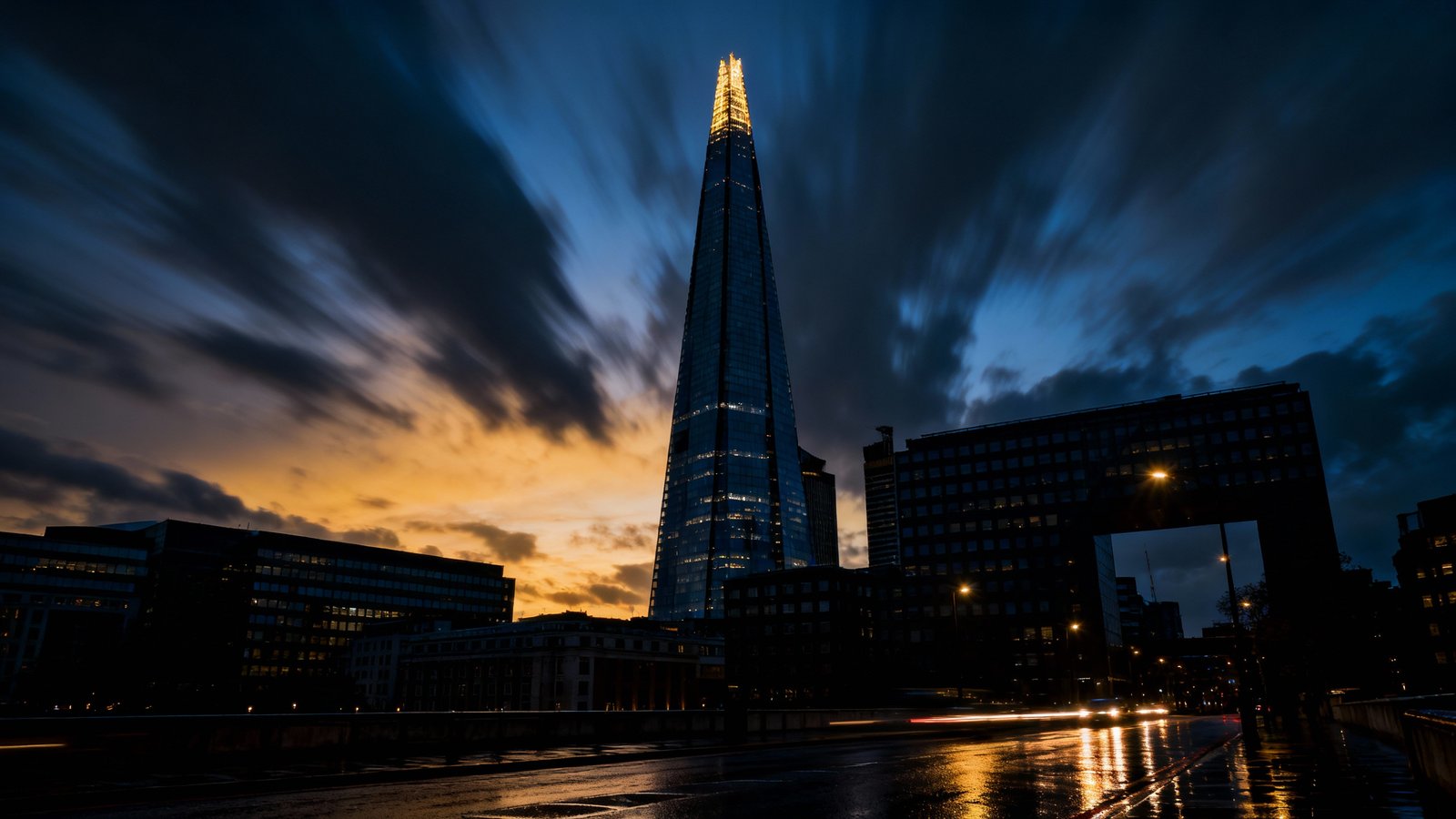
London’s always been about statements, hasn’t it? From the Gherkin’s sleek curve to the Shard’s audacious spire, our skyline tells a story of ambition, money, and sometimes-questionable taste. Now, add another chapter to that very Posh graphic novel: JPMorgan, one of the biggest banks on the planet, is going big. Really big. They’re not just expanding; they’re essentially building a whole new UK headquarters right there in Canary Wharf. Forget subtle, this is a full-blown declaration, almost like a punch to the face for anyone who thought London’s financial dominance might be, you know, a little wobbly after all that Brexit hullabaloo. It’s a testament, I think, to London’s sheer magnetic pull, even if sometimes it feels like it’s trying to pull itself apart.
You remember back when everyone was predicting the exodus? Banks packing up their bespoke suits and designer briefcases, heading off to Frankfurt or Paris because Brexit. It was going to be the end of financial London as we knew it, or so the headlines screamed. Well, not quite, is it? JPMorgan’s audacious move, consolidating thousands of its employees into a shiny new, purpose-built tower, throws a bit of a spanner in that particular narrative. It’s not just a commercial property deal; it’s a vote of confidence. A very expensive, very concrete vote of confidence. And frankly, it’s pretty fascinating to watch these giants play their game.
The Canary Wharf Comeback Kid-ish Story
So, Canary Wharf. It’s always felt a bit like its own city, separated from the historical grittiness of the Square Mile by a short Tube ride but a whole different vibe. All glass and steel, perfectly manicured lawns, and a distinct lack of pubs older than five years. For a while there, after the pandemic hit and then the whole return-to-office saga, people were wondering if Canary Wharf was going to turn into a ghost town. Empty desks, silent cafeterias – a kind of modern-day Ozymandias, but with more Pret a Manger establishments. But nope, not if JPMorgan has anything to say about it. They’re basically doubling down on the area, proving that even in an age of hybrid work and WFH evangelists, there’s still a palpable hunger for physical presence, for those water cooler moments, for seeing your boss’s face in 3D, God forbid.
A Bet on “Presence” in a Digital Age
Here’s where it gets interesting: in a world where everyone’s talking about remote work and metaverse offices, JPMorgan’s saying, “Nah, we like our people in one (very tall, very expensive) building.” It’s a contrarian play, if you ask me. While tech companies are shrinking their office footprints, these financial behemoths are actually expanding theirs. It’s kind of like they’re saying, “Culture, collaboration, innovation – it all happens better when you’re physically together.” Or maybe it’s just a gigantic flex, a way to show off their permanence in a sector known for its volatility. Whatever the motivation, it definitely makes you think about the future of work and whether those Zoom calls are truly cutting it for the big players.
- The Consolidation Play: This isn’t just a new building; it’s bringing thousands of employees from various London offices under one roof. Think efficiency, think cutting down on scattered real estate costs, think a single, giant, gleaming monument to corporate power.
- The Post-Brexit Statement: Beyond the practicalities, it’s a loud and clear message to the world: London isn’t going anywhere as a financial hub. Maybe it’s a bit bruised, sure, but it’s still very much in the game and keen to attract the big hitters.
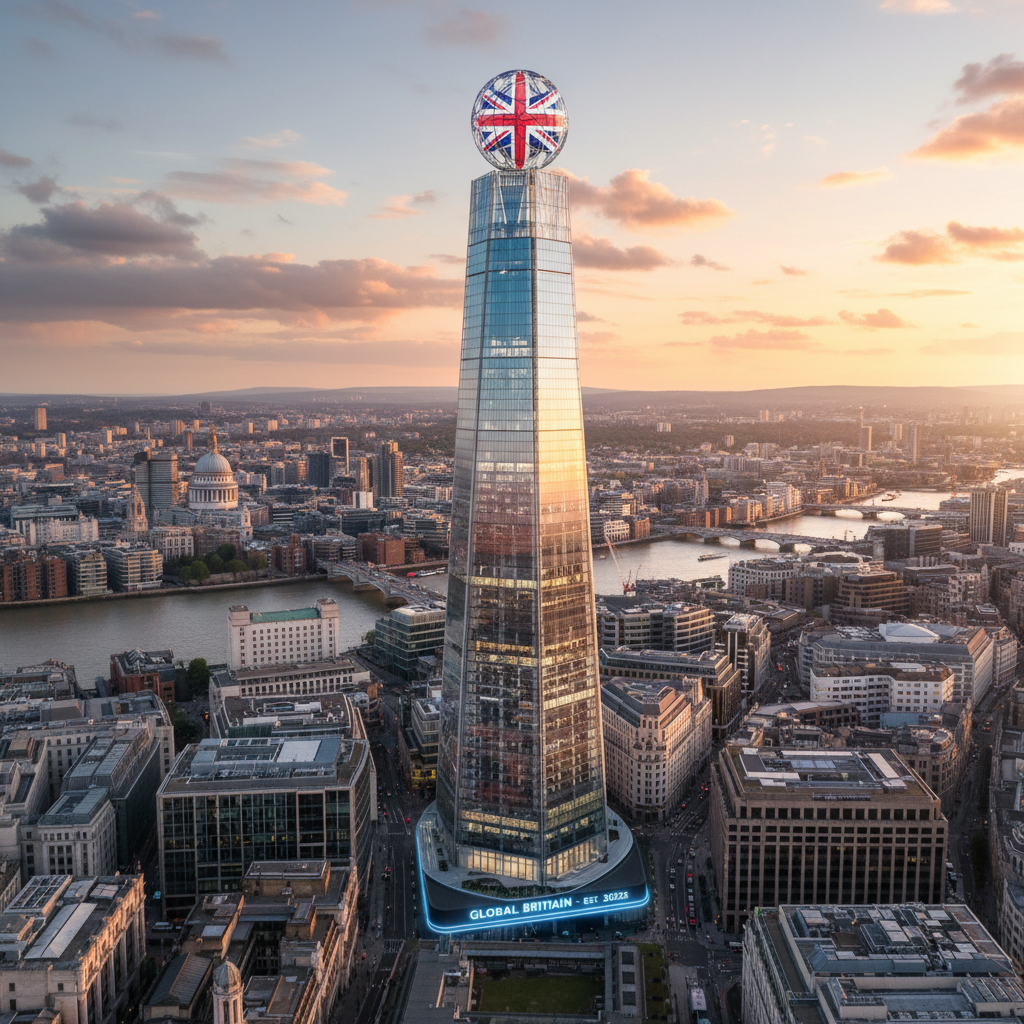
So, we’re talking about a massive structure, apparently taking up the site of the existing 25 Bank Street, which JPMorgan already owns. They’re basically knocking down or heavily repurposing what’s there to build something new, something bigger. That’s a huge undertaking, especially in London with its maze of regulations and historical sensitivities. But clearly, they see the long-term value. It’s not a short-term lease; it’s a permanent fixture, solidifying their presence for decades to come. And that’s exactly the kind of stability a global financial capital needs to project, isn’t it?
“This commitment from JPMorgan sends a very strong signal. It demonstrates that London remains an attractive, central location for global institutions, despite various economic head- or tailwinds.”
What This Means for the Rest of Us (and the Competition)
This kind of investment doesn’t happen in a vacuum. When a titan like JPMorgan makes such a bold move, everyone else in the financial world takes note. Other banks, global investors, talent-all of them are watching. It almost feels like a challenge, doesn’t it? A kind of, “Oh, you thought we were leaving? Think again.” And for the people who actually work in finance, it’s a sign of continued opportunity, I suppose, if you’re into that whole high-rise, high-pressure world. It also means that Canary Wharf isn’t going to be losing its shine anytime soon, which is good news for anyone who owns property or runs a sandwich shop in the area.
The Ripple Effect on London’s Property Market
You can bet your bottom dollar-or your British pound-that this will have an effect on the surrounding property market. When a major anchor like JPMorgan commits to such a large-scale development, it tends to create a halo effect. Other businesses might see it as a sign to invest themselves, perhaps considering office space nearby, or maybe residential developers will smell opportunity. It’s a classic example of how one big player’s move can send ripples right through an entire metropolitan area’s economy. And let’s be honest, London property sellers are probably doing a little dance right now, because any news of sustained interest, especially from global powerhouses, is good news for valuations, isn’t it?
- Talent Magnet: A shiny, new, state-of-the-art HQ is also a powerful tool for attracting top talent. Who wouldn’t want to work in an ultra-modern building with all the bells and whistles? It’s basically a perk, a recruitment tool, dressed up as real estate.
- Local Economy Boost: Thousands of high-earning individuals concentrated in one area means more demand for local services-restaurants, shops, gyms, even the occasional bespoke umbrella maker, you know, the essentials.
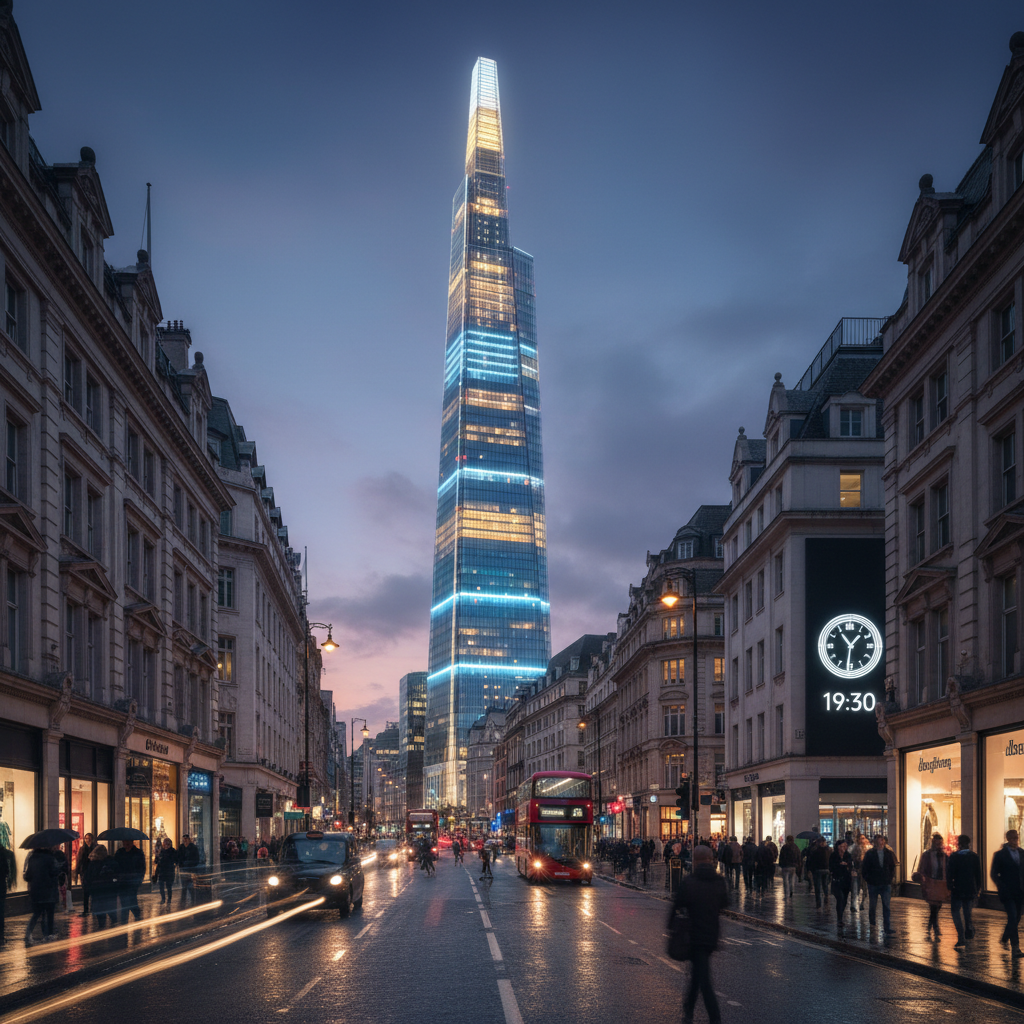
The whole thing is kind of a validation, really. For London, for its resilience, and for the enduring belief in the power of physical places, even in our increasingly virtual lives. It’s a reminder that while technology might shift how we work, sometimes the sheer gravity of capital and collective human effort demands a grand, physical stage. It’s not just about desks and chairs; it’s about making a statement. And JPMorgan’s statement is loud and clear: they’re here to stay, and they’re building a monument to prove it.
So, next time you’re gazing at that magnificent, ever-changing London skyline, give a little nod to JPMorgan. They’re not just building a bank; they’re fortifying London, cementing its place (quite literally) in the global financial arena. It’s a powerful narrative, a bold bet, and honestly, a fascinating turn of events in a city that always keeps us on our toes. What will be the next architectural marvel-or monstrosity-to pierce the clouds? Only time, and a lot of very rich people, will tell.