





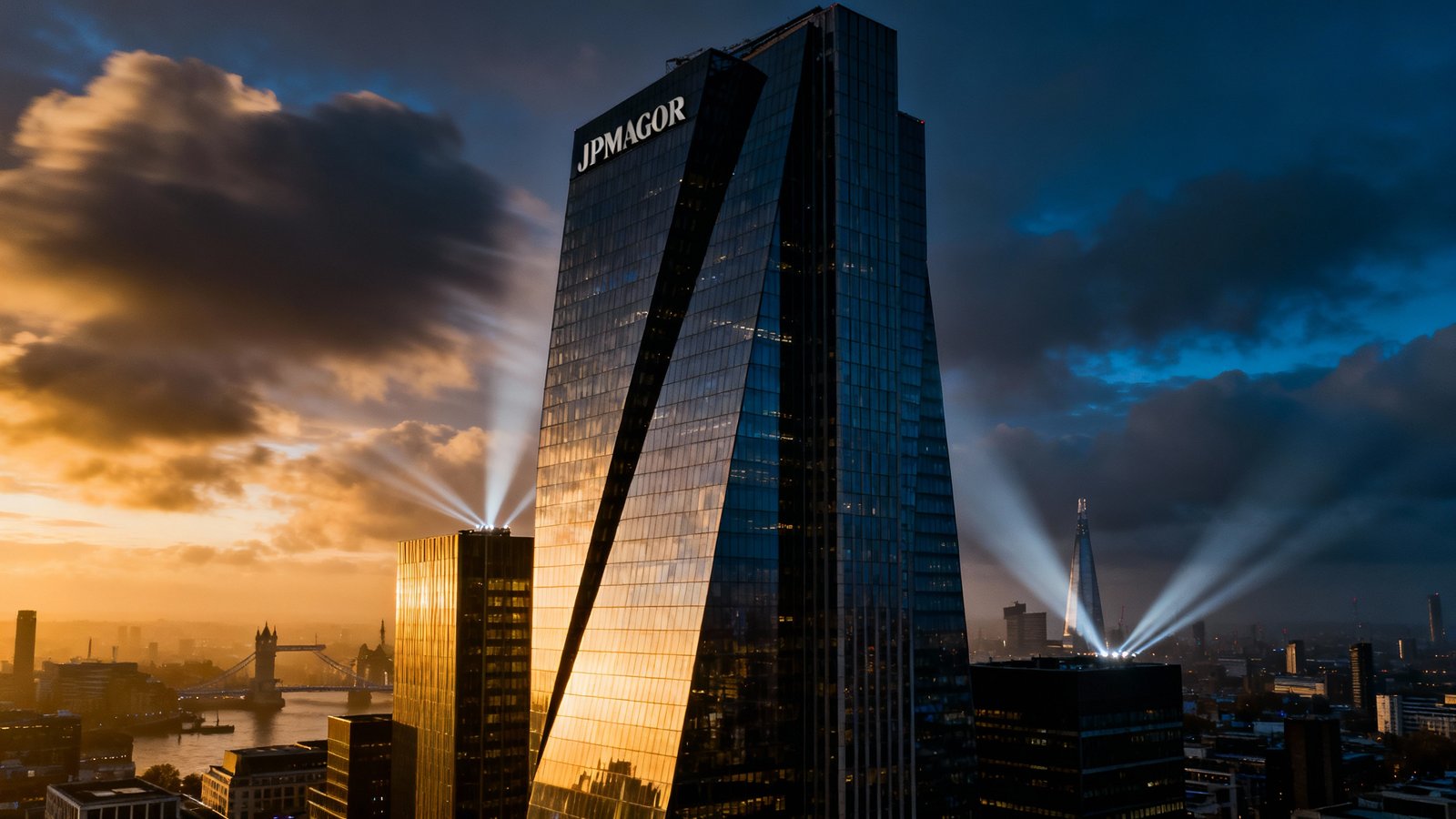
So, here’s a thought that sometimes keeps me up at night, or at least makes me raise an eyebrow over my morning coffee: when big, established institutions make a move, especially one that involves a monstrous chunk of real estate and a whole lot of cash, you gotta wonder what’s really cooking. It’s rarely just about a bigger office, is it? We’re talking JPMorgan here, a name practically synonymous with global finance, and they’re cooking up something pretty massive in London’s Canary Wharf. This isn’t just a relocation; it feels more like a declaration of intent, a—dare I say—power play.
You see, for years, their European headquarters (yes, their big one) has been at 25 Bank Street. A fairly iconic building, very “finance bro” chic, if you know what I mean. But now? Oh no, they’re not just expanding a floor or two. They’re basically building a whole new city block for themselves, pulling together three separate buildings into one gargantuan, interconnected campus. It’s a bit like when you realize your favorite indie band just signed with a major label and now they’re playing stadiums. Suddenly, everything’s on a much grander scale.
The Canary Wharf Conundrum: Too Big to Fail, Too Big to Stay Put?
Let’s be real, Canary Wharf has its moments. It’s sleek, it’s modern, it practically screams “money lives here.” But for a while, there’s been this low hum, this sort of background chatter about its future, especially after Brexit. Would firms stay? Would they shrink? JPMorgan, it seems, just gave a pretty definitive answer to that question: No, they’re not shrinking. In fact, they’re doubling down, putting a massive bet on London remaining a global financial hub. You’ve got to respect that kind of confidence, or maybe just call it strategic audacity.
The new setup, combining 25 Bank Street, 10 South Colonnade, and 20 Water Street, is going to be something else. We’re talking about a space that will house between 10,000 to 12,000 employees. I mean, think about that for a second. That’s a small town moving into a few buildings. The sheer logistics, the internal politics, the coffee budget alone—it boggles the mind, doesn’t it? It suggests a vision, a long-term commitment that probably extends far beyond quarterly earnings reports.
The Real Estate Jenga Game
Here’s where it gets interesting, beyond just the square footage. JPMorgan acquired the freehold to 25 Bank Street back in 2021. That’s a pretty shrewd move if you ask me. Instead of continually paying rent, they own the land, the air above it, basically everything. And now they’re going to use that as their anchor, their main hub, and connect it up with these other two buildings. It’s like finding three perfect puzzle pieces that just happen to fit together to form a much bigger picture.
- Strategic Ownership: Buying the freehold for 25 Bank Street wasn’t just a real estate transaction; it was a foundational move, a declaration they weren’t going anywhere.
- Consolidation Power: Bringing 10 South Colonnade and 20 Water Street into the fold isn’t just about more desks; it’s about creating synergy, having all their folks under one very large, shiny umbrella.
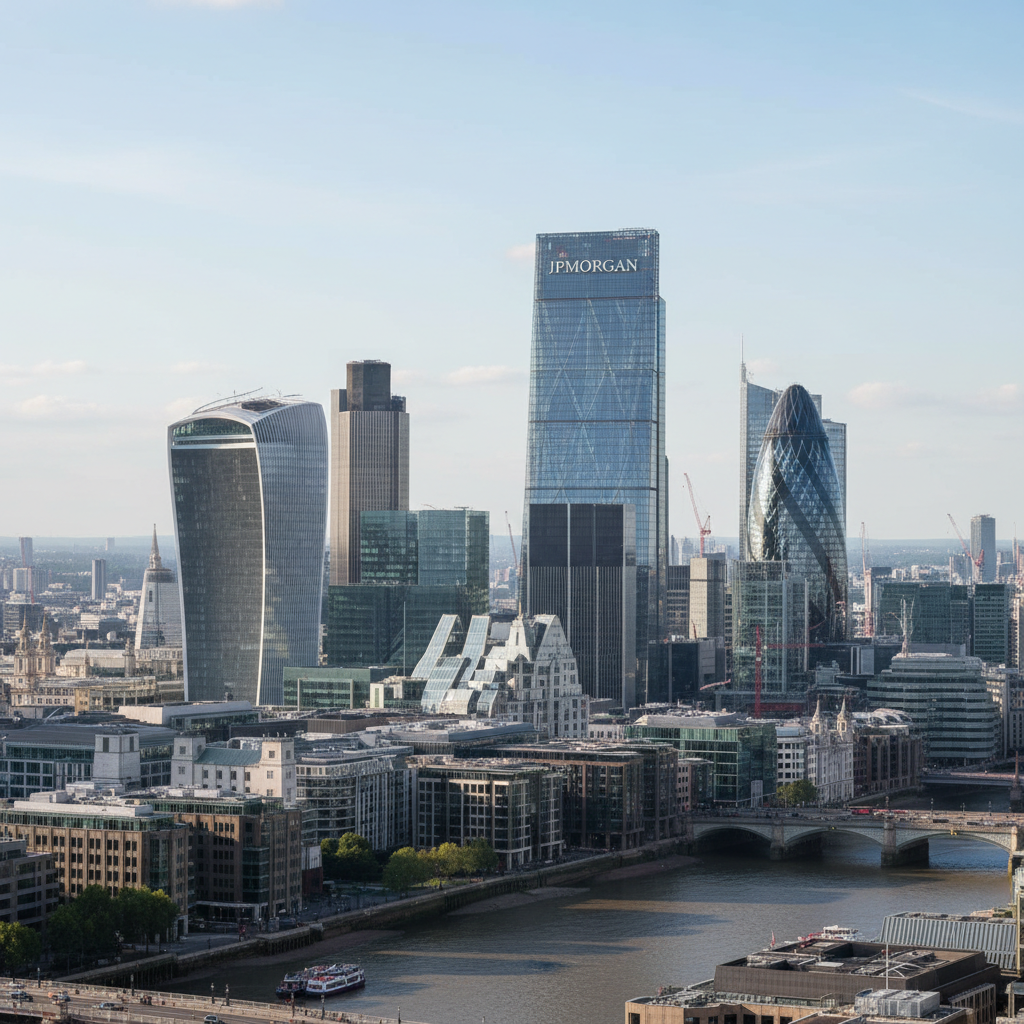
Now, you might think, “Why all this fuss? It’s just an office building.” But for a firm like JPMorgan, their physical presence is a lot more than just a place to plug in laptops. It’s about culture, about collaboration, about attracting and retaining talent in a brutal market. Imagine the kind of amenities they’ll pack into a campus designed for 12,000 people. On-site cafes, gyms, maybe even a dry cleaner. (A journalist can dream, right?) It’s about creating an ecosystem, a miniature city within a city, all designed to make people want to be there, to work there, to innovate there.
“This isn’t just about square footage anymore; it’s about crafting an environment that reflects and reinforces the firm’s global ambition and culture. It’s a tangible statement.” – A property developer I chatted with about this, who wished to remain anonymous, but clearly knows his stuff.
The Unseen Impacts: Beyond the Glass and Steel
This whole move, while clearly a win for JPMorgan, also has ripples. Think about the implications for Canary Wharf itself. It’s a huge vote of confidence for the district, which, as I mentioned, has seen its share of ups and downs. Other businesses, both large and small, will watch this. Does it signal a new era of expansion for finance in London? Or is it just one giant banking goliath making itself even goliath-er?
A Bet on “In-Person”
We’ve all been through the Zoom years, haven’t we? The great work-from-home experiment. And while many companies are still figuring out what “hybrid” really means, JPMorgan’s move here feels like a strong, unwavering commitment to in-person collaboration. They’re not just consolidating space; they’re concentrating talent. And in high-stakes finance, where relationships and quick decisions are paramount, that face-to-face interaction is often considered gold.

I find this fascinating, actually. While some companies are shrinking their real estate footprints, betting on a permanently decentralized workforce, JPMorgan seems to be going all-in on the idea that having everyone under one very large roof is still the powerful differentiator. It’s a bold move, almost rebellious in today’s climate, wouldn’t you say? It makes you wonder if they know something others don’t, or if they just have a very strong conviction about their own operating model, which, knowing JPMorgan, is probably the case.
And let’s not forget the sheer symbolism. In a world increasingly dominated by digital transactions, there’s still something incredibly powerful about a massive, physical headquarters standing tall. It’s a beacon, a landmark, a very tangible representation of power and permanence. This isn’t just a place where money is made; it’s a statement about where the money intends to stay.
So, what does this all mean for London, for global finance, for the thousands of employees who will now commute to this central hub? It’s a lot to unpack, frankly. JPMorgan’s consolidated campus in Canary Wharf isn’t just a new address; it’s a new chapter, a powerful reaffirmation of their commitment to London as a critical nerve center for their massive operations. It’s a pretty big deal, signaling stability and growth, and well, frankly, reminding everyone who’s boss sometimes. And that, my friends, is a story worth watching unfold.



