
The phone call came through late last week, and public health experts across the country basically had the same reaction: a collective groan followed by frantic Googling. Robert F. Kennedy Jr., the newly appointed Health and Human Services Secretary, had chosen his deputy director for the CDC. The pick? Dr. Ralph Abraham, a Louisiana physician and former congressman who’s been pretty vocal about preferring “natural immunity” over vaccines.
Here’s the kicker, though. When you talk to people who’ve been tracking Kennedy’s potential appointments, they’ll tell you something that sounds completely insane: Abraham isn’t even the worst person who was in the running. Let that sink in for a second.
The whole situation has created this weird dynamic where infectious disease specialists are doing damage control calculus, ranking potential appointees on a scale from “concerning” to “absolutely catastrophic.” It’s kind of like watching someone celebrate getting a D+ because they thought they were going to fail.
The Natural Immunity Question (And Why It’s Complicated)
Look, let’s be clear about what we’re talking about here. Natural immunity – the protection you get from actually catching a disease – is real. Nobody’s disputing that. The human immune system is remarkably good at its job, and yes, recovering from an infection does provide some level of protection against future encounters with the same pathogen.
But here’s where Abraham’s position gets problematic. He’s championed this approach as a preferable alternative to vaccination, which is sort of like saying you’d rather learn to swim by nearly drowning than by taking lessons at the community pool. Technically, sure, both might teach you to swim. But one involves a whole lot more risk.
What the Data Actually Shows
During the COVID-19 pandemic, Abraham was vocal about his stance on natural immunity, often downplaying vaccine effectiveness. The research, though, tells a more nuanced story. Studies have shown that while natural immunity does offer protection, it comes with significant caveats:
- Variable Protection: The strength and duration of natural immunity varies wildly depending on the severity of your initial infection, your age, underlying health conditions, and which variant you caught
- The Cost Factor: Getting “natural immunity” to COVID-19 means actually getting COVID-19, with all the risks that entails (hospitalization, long COVID, death – you know, minor details)
- Hybrid Immunity: The strongest protection actually comes from a combination of vaccination plus natural infection, which kind of undermines the whole “natural immunity instead of vaccines” argument

Dr. Paul Offit, director of the Vaccine Education Center at Children’s Hospital of Philadelphia, put it this way in a recent interview: “Saying you prefer natural immunity is like saying you prefer natural cancer treatment. Yes, your body might fight it off. But why would you choose that path when we have safer alternatives?”
But Wait, There’s Worse?
This is where things get truly bizarre. Multiple public health officials, speaking on background because they’re terrified of becoming targets, explained that Abraham was actually one of the more moderate options being floated.
The shortlist apparently included individuals who’ve promoted everything from drinking bleach (not naming names, but we all remember that phase) to the idea that vaccines contain microchips. Abraham, by comparison, is at least a licensed physician who’s worked in emergency medicine. The bar is literally on the floor.
The “Better Than Nothing” Fallacy
Here’s what makes this situation so frustrating for people who actually work in public health. There’s this assumption that because Abraham has medical credentials and isn’t actively suggesting we treat diseases with horse paste, he’s an acceptable choice. But the deputy director of the CDC isn’t exactly an entry-level position.
This person helps shape national health policy. They influence vaccination schedules, outbreak responses, and public health messaging that reaches millions of Americans. Having someone in that role who’s publicly skeptical of vaccines is – and I’m trying to be measured here – really not great.
“We’re basically being asked to celebrate that the person who might help run the CDC is only moderately anti-vaccine, rather than completely anti-vaccine. That’s not how this should work.”
That quote comes from an epidemiologist who worked at the CDC during the Obama administration. They asked not to be named because, well, the current climate isn’t exactly conducive to public criticism.
The Congressional Record Tells a Story
Abraham served three terms in Congress representing Louisiana’s 5th district, and his voting record on health issues is… let’s call it revealing. He consistently opposed funding increases for the CDC, voted against pandemic preparedness measures, and co-sponsored legislation that would have made it easier for parents to opt out of school vaccination requirements.
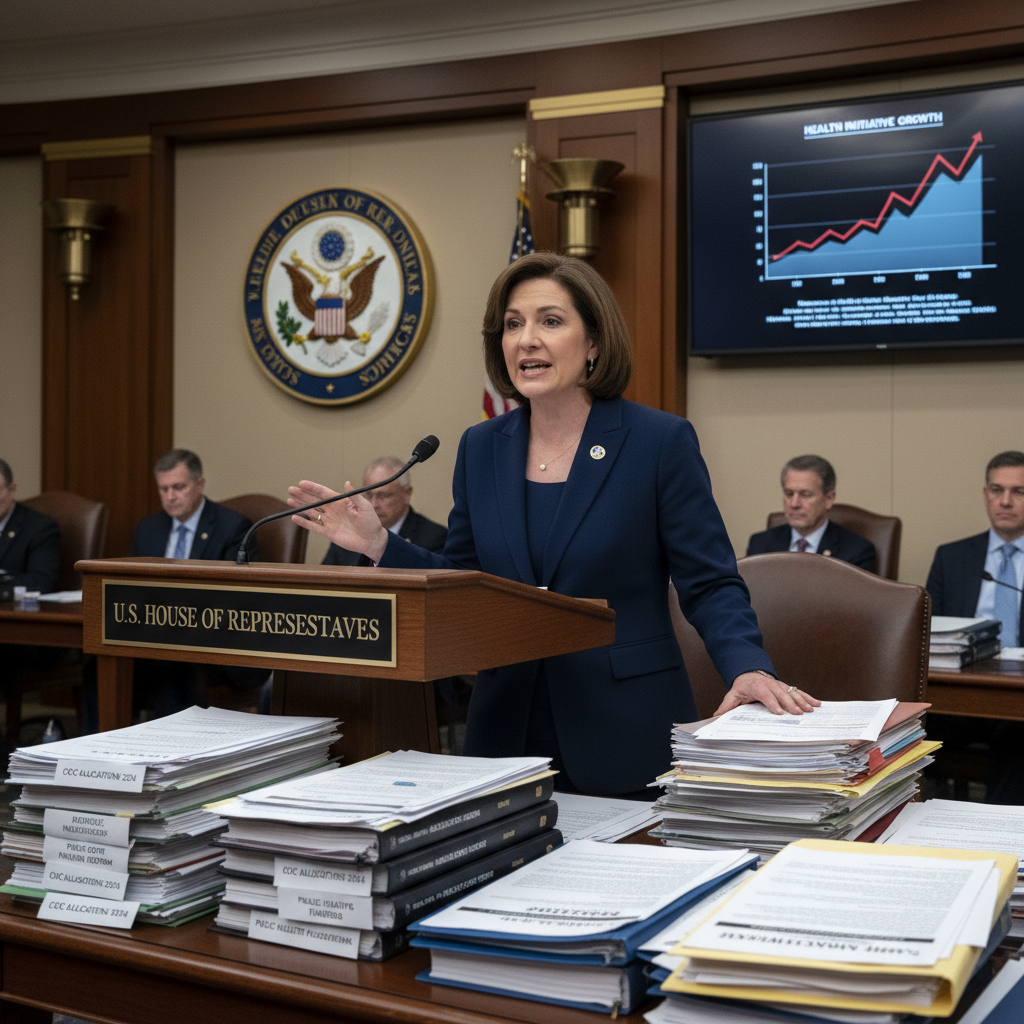
During his time in Congress, he also made headlines for some pretty questionable statements about reproductive health and climate science. There was that time he suggested that women’s bodies have ways of preventing pregnancy from rape (which, no). And the multiple instances where he questioned whether human activity contributes to climate change, despite overwhelming scientific consensus.
The Pattern That’s Concerning
What bothers public health experts isn’t necessarily any single statement or vote – it’s the pattern. Abraham has consistently sided against scientific consensus when it conflicts with political ideology. And while everyone’s entitled to their opinions, the deputy director of the CDC is supposed to be guided by data, not politics.
Dr. Jennifer Nuzzo, an epidemiologist at Brown University, noted that “public health operates best when it’s insulated from political pressure. Appointing someone who’s built their reputation on questioning mainstream public health science sends exactly the wrong message.”
What This Means Going Forward
The confirmation process for Abraham hasn’t happened yet, and there’s at least some possibility that senators might actually do their job and ask tough questions. But let’s be honest – in this political environment, he’ll probably sail through.
What happens then? Well, the CDC will continue to function. Career scientists and public health officials will still do their jobs, because that’s what they do. But there’s real concern about how much influence someone in Abraham’s position could have on messaging, particularly around vaccines.
We’ve already seen how quickly public health consensus can be undermined when leaders send mixed messages. Remember the whole mask debate? The confusion around booster shots? Now imagine that kind of mixed messaging coming from inside the CDC itself.
The really frustrating part is that we don’t have to imagine it. We’ve been here before, sort of. During previous administrations – both Republican and Democratic – there have been moments when political appointees clashed with career scientists. It never ends well. Science doesn’t care about politics, and viruses definitely don’t.
So yeah, Ralph Abraham might not be the worst possible choice for CDC deputy director. But “not the worst” is a pretty low bar when we’re talking about protecting public health. And the fact that we’re even having this conversation – ranking potential appointees by how much damage they might do – should probably tell us something about where we are as a country right now.
It’s going to be an interesting few years. Stock up on hand sanitizer.