
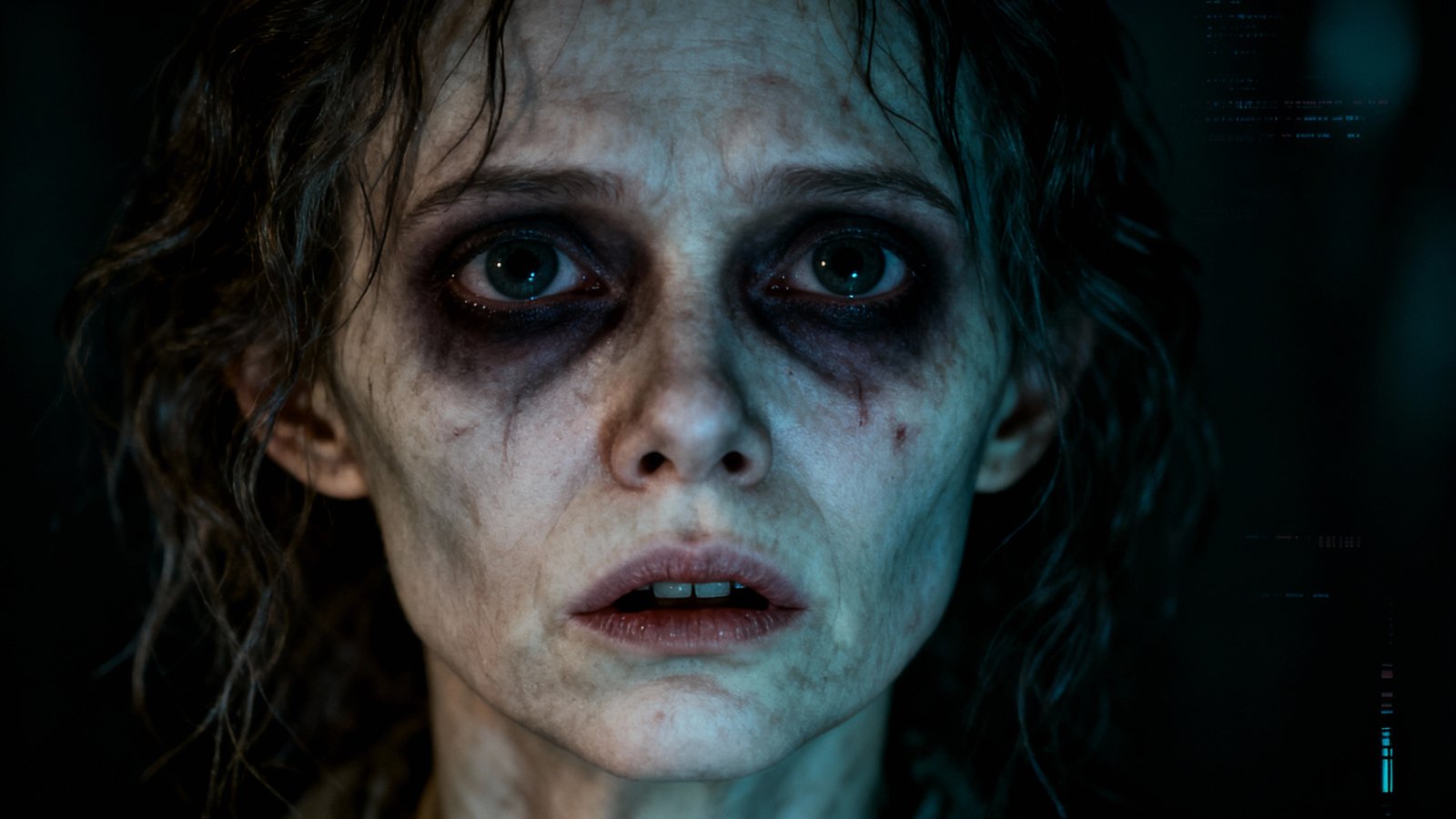
Remember that feeling, watching a beloved movie or show, and then suddenly- WHAM- the kid actors are practically adults? It’s like, for a second, you blink, and then they’ve sprouted three feet and their voices have dropped. Happens all the time, right? Well, for the Duffer Brothers and the whole Stranger Things crew, this wasn’t just a fun little “aw, they grew up!” moment. It became a genuine narrative headache. You see, the timeline in Hawkins, Indiana, moves a little slower than real life- sometimes way slower- and those kids, bless ’em, just kept on growing.
I mean, think about it. Finn Wolfhard, Gaten Matarazzo, Millie Bobby Brown- they were practically babies when this whole upside-down thing started. Now, several seasons in, they’re navigating puberty, high school drama, and, oh yeah, still fighting interdimensional monsters. It’s a lot. And frankly, it starts to get a little… weird when characters who are supposed to be, say, 15, look like they could order a beer without much hassle. That’s where things get interesting, bordering on sci-fi within the sci-fi itself. Their solution? A digital fountain of youth. Yep, you heard that right- de-aging technology is coming to Hawkins.
The Inevitable March of Time- And Teenagers
It’s an age-old Hollywood problem, actually. Kid stars grow up. It’s biological. Remember those long gaps between seasons of shows like Game of Thrones where some characters seemed to age five years in two? That’s kinda what we’re facing here, but with a show where the nostalgic, innocent vibe of the 80s kids is pretty central to its charm. If Mike Wheeler suddenly has a full beard, it kind of impacts the whole “kids on bikes” aesthetic, doesn’t it?
When Continuity Clashes with Puberty
The Duffer Brothers have been pretty open about this artistic dilemma. You can’t just ignore it. The show’s narrative timeline is meticulously crafted, and having your young protagonists suddenly look like they’re ready for college when the script says they’re still in high school-it breaks the immersion. It pulls you out of the story. And for a show that relies so heavily on world-building and suspension of disbelief, that’s a death knell. So, the decision to use digital de-aging for the upcoming season, particularly for flashback sequences or perhaps even for current scenes if the time gap becomes too pronounced, makes total sense. It’s not just a fancy trick; it’s a necessity.
- The Problem: Child actors on a long-running show will inevitably age faster than the show’s plot demands.
- The Complication:Stranger Things’ nostalgic 80s setting and core “kids as heroes” theme are directly impacted by adolescent growth.
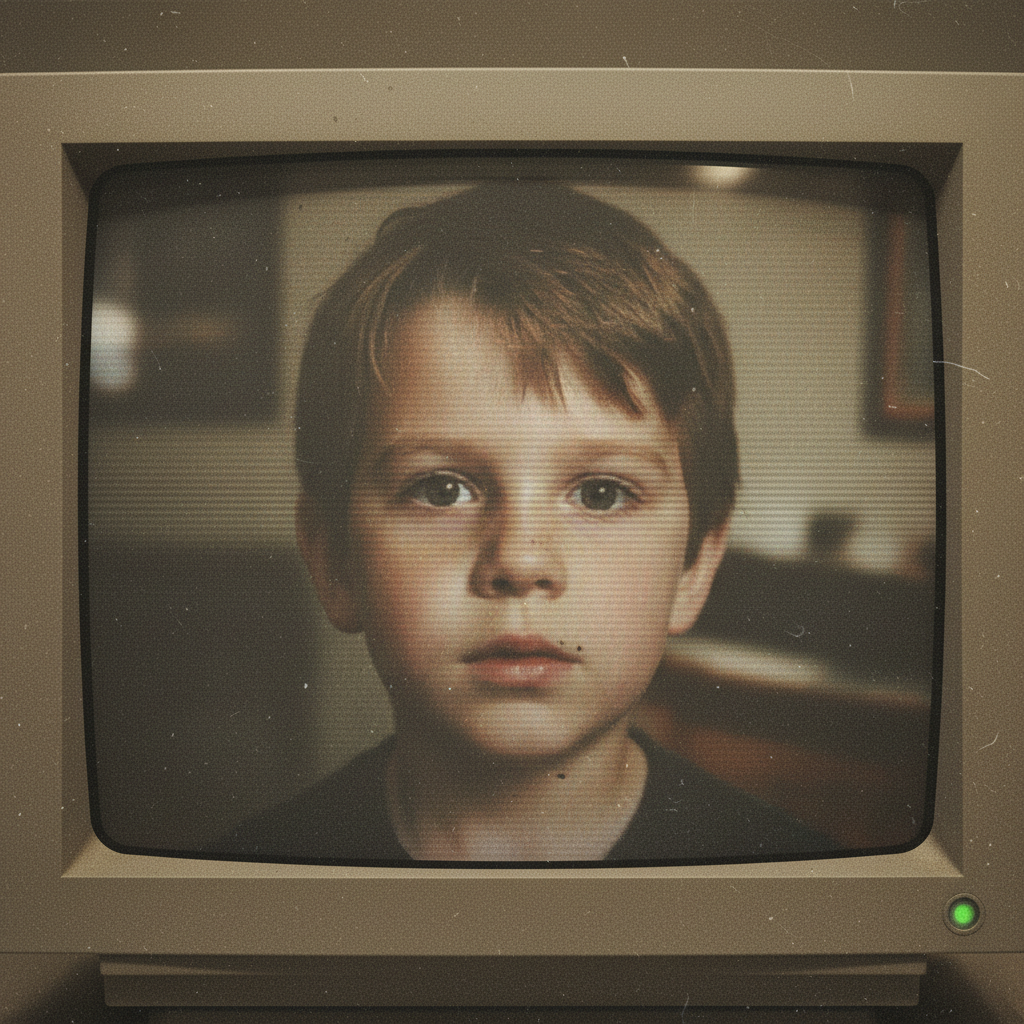
Now, you might think, “Oh, it’s just a quick touch-up here and there.” Well, actually, this kind of tech isn’t just for a few wrinkles. We’re talking about pretty substantial visual effects to wind back the clock on faces that have genuinely matured. It’s complex, it’s expensive, and when done right, it’s basically invisible. When done wrong, it looks like a wax dummy. Remember some of those early de-aging attempts in other films? A little uncanny valley action going on there. Let’s hope the Stranger Things team has their A-game for this.
“The challenge isn’t just making them look younger; it’s making them look younger while still maintaining their authentic performance and emotional resonance. That’s the real magic trick.”
Digital Cosmetics: A New Frontier in Storytelling?
This isn’t exactly groundbreaking, the idea of de-aging. We’ve seen it done in Marvel movies- hello, young Samuel L. Jackson! And let’s not forget the recent resurgence of Harrison Ford as a younger Indiana Jones. But it’s usually for a scene or two, a quick flashback. For an entire returning ensemble cast of young actors, across potentially an entire season, that’s a different beast altogether. It tells us something about the future of filmmaking, doesn’t it?
The Ethical and Creative Tightrope
Here’s where it gets a little philosophical. Are we heading towards a future where actors’ ages become completely malleable? Where a studio can just digitally rewind or fast-forward someone’s appearance based on what the script demands? It’s fascinating, a little unsettling, but also undeniably powerful for storytelling. Imagine a director having complete control over an actor’s appearance across decades of a story. The possibilities are kind of endless, actually.
- Creative Freedom: Directors are no longer beholden to real-world aging processes for long-running character arcs or flashbacks.
- Uncanny Valley Risk: Poorly executed de-aging can break immersion and create an artificial, unsettling appearance.
- Actor’s Rights: Do actors maintain control over how their likeness is manipulated digitally? That’s a whole other can of worms, especially given recent Hollywood discussions.
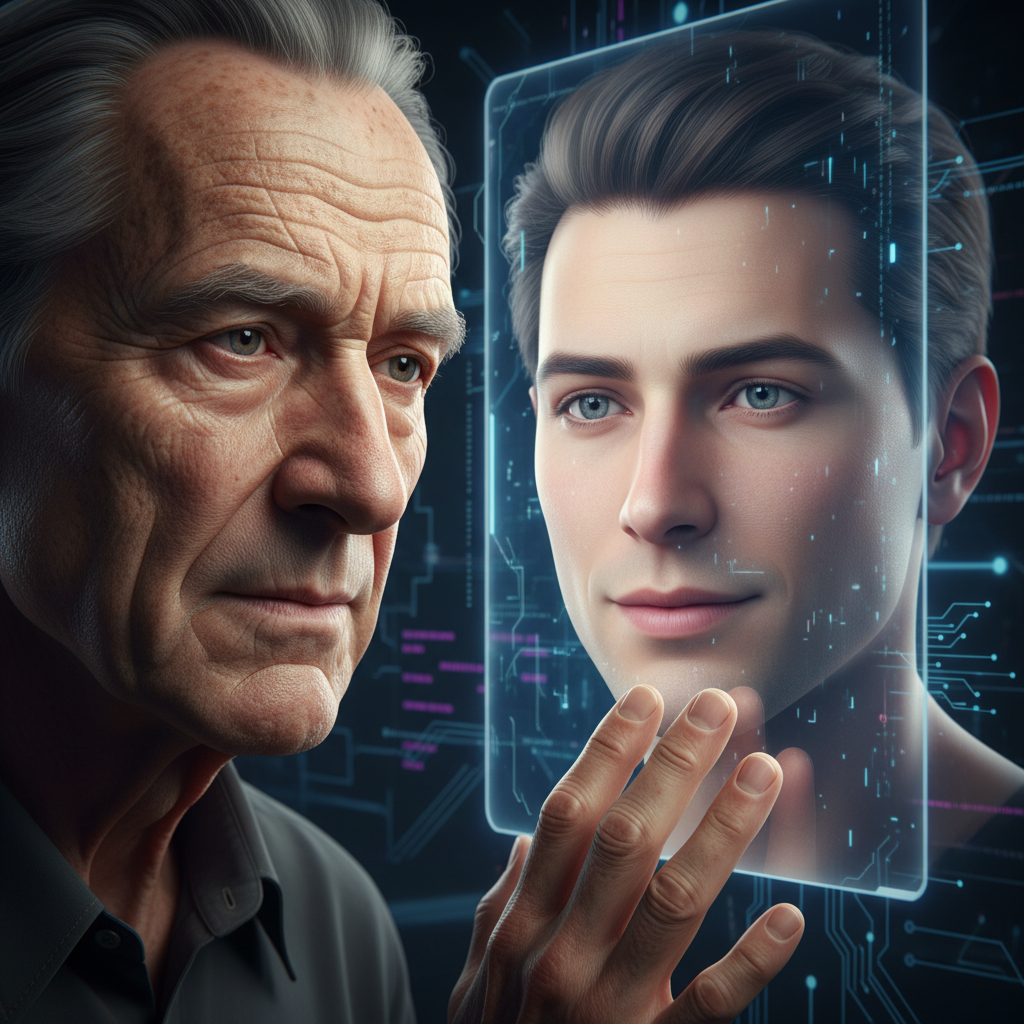
This whole thing kind of makes you wonder about the future of casting, doesn’t it? If age is just a suggestion, a VFX budget line item, does it change how roles are assigned? Probably not for every role, but for those long-term commitments, those expansive universe-building sagas- it definitely opens up new doors. And maybe, just maybe, Stranger Things is paving the way for how we view onscreen aging in the next few years.
The Stranger Things Effect: What Does it Mean For Us?
So, what does this all boil down to for us, the viewers? Mostly, it means a more consistent, believable story. We won’t be constantly scratching our heads wondering why Will Byers looks like he’s going through his second puberty while everyone else is still figuring out high school cafeteria cliques. It allows the show to stick to its guns regarding its timeline, maintaining that vital sense of continuity without sacrificing the natural growth of its talented young cast.
A Glimpse Into Hollywood’s Future?
This isn’t just about Stranger Things, really. It’s a peek behind the curtain of how big-budget productions are adapting to the realities of long-form storytelling in episodic television. The lines between what’s practical on set and what’s possible in post-production are blurring. For better or worse, the age of digital transformation is here, and it’s touching everything, even the faces of our favorite fictional teenagers.
It’s fascinating, isn’t it? This whole digital de-aging saga. It’s a testament to the fact that when creative vision clashes with the undeniable forces of nature- specifically, teenage growth spurts- sometimes technology steps in to save the day. It allows the Duffers to tell the story they want, when they want, without having to awkwardly explain why Dustin suddenly has a mortgage. Which, you know, would be a little distracting.
Ultimately, it shows a commitment to the integrity of the world they’ve built. And that’s something I, as a viewer who’s invested years in these kids’ adventures, can absolutely appreciate. It means we can keep enjoying the magic of Hawkins, hopefully without any strange, jarring visual inconsistencies. Here’s to hoping the digital artists nail it, and we can all just get lost in the story- not in the existential dread of watching child actors age out of their roles. Pretty wild stuff, if you ask me.